



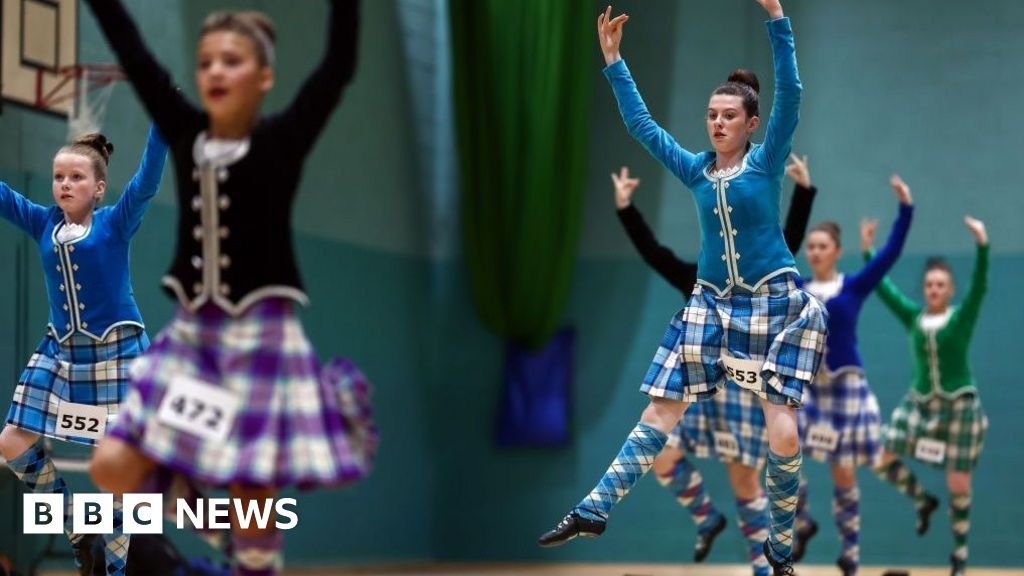
GLASGOW — The vibrant pulse of Gaelic heritage is set to reverberate across Scotland’s largest city this week as thousands of enthusiasts, musicians, and linguists descend upon Glasgow for the Royal National Mòd. The prestigious annual festival, often referred to as the “Gaelic Olympics,” officially commences today, transforming the city into a global hub for the preservation and celebration of Highland language, music, and arts.
For the next nine days, Glasgow will host a packed itinerary featuring more than 200 competitions. From the haunting beauty of traditional solo singing (the “Gold Medal” competitions) to the intricate footwork of Highland dancing and the storytelling prowess of oral tradition, the Mòd serves as both a showcase of seasoned talent and a vital incubator for the next generation of Gaelic speakers.
Organizers report that ticket sales have reached near-record levels, a testament to the surging interest in Gaelic culture. While the event is rooted in tradition, this year’s program places a distinct emphasis on modern innovation. Beyond the competitive stage, the city will host “The Fringe,” a parallel festival featuring late-night cèilidhs, contemporary Gaelic folk concerts, and interactive workshops designed to introduce newcomers to the melodic intricacies of the language.
“The Mòd is not merely a reflection of our history; it is a declaration of our future,” said Màiri MacInnes, president of An Comunn Gàidhealach, the organization that oversees the festival. “Seeing thousands of people, including so many young children and fluent learners, come together to keep our language and traditions alive is profoundly moving. It reinforces the fact that Gaelic is a living, breathing, and evolving part of modern Scotland.”
The economic impact on Glasgow is expected to be significant, with local businesses, hotels, and restaurants preparing for the influx of visitors. Beyond the financial boost, the city has embraced the festival as an opportunity to celebrate its own historical ties to the Highlands. The opening ceremony, held at the iconic Kelvingrove Art Gallery and Museum, featured a procession of pipers and a rousing welcome from community leaders, setting a tone of unity and pride.
This year’s festival also marks a milestone in digital integration, with several events being live-streamed to reach the global Gaelic diaspora in North America and Australia. By bridging the physical distance between the heart of Scotland and those who carry the culture abroad, organizers hope to ensure that the flame of Gaelic identity continues to burn brightly regardless of geography.
As the competitions begin in earnest, the air in Glasgow is thick with anticipation. For the thousands in attendance, this week is more than just a gathering; it is a defiant, joyous affirmation that Gaelic culture is not only surviving—it is thriving. The event concludes next Saturday with a grand finale concert, featuring a collaborative performance by some of the most celebrated names in the contemporary Gaelic music scene.
Disclaimer: This content is auto-generated for informational purposes only.
Source: Read Original News