






Why Listening to Your Body Matters
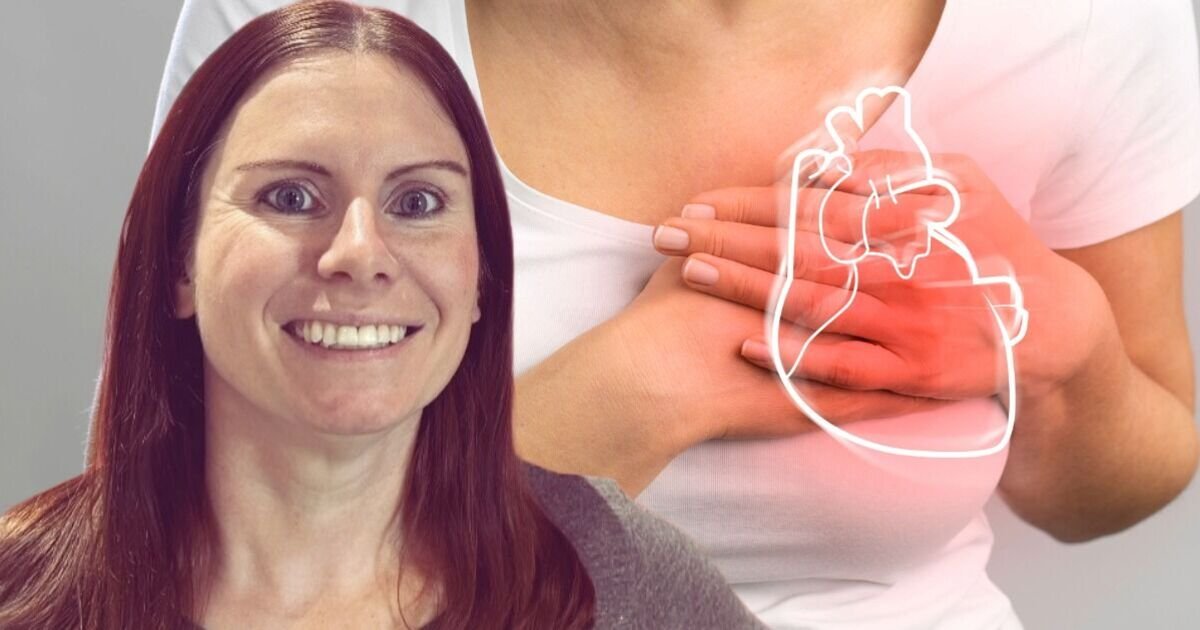
We have all been there—plowing through a busy work week, juggling social commitments, and ignoring that nagging headache or strange tightness in the chest because we simply do not have the time to slow down. Recently, television presenter Alison Hammond gave us all a much-needed wake-up call when she had to leave her filming set due to worrying heart symptoms. It was a frightening moment that turned out to be a panic attack rather than a cardiac event, but her reaction serves as a perfect example of why we should never brush off what our bodies are trying to tell us.
It is easy to label ourselves as dramatic or assume we are just tired when our health feels a bit off. However, health professionals emphasize that dismissing strange symptoms is a dangerous habit. Whether it is a fluttering heart, sudden shortness of breath, or an unexplained sense of dread, these signals are your body’s way of asking for a check-in. As Alison demonstrated, seeking medical attention is never a waste of time. It is the most responsible step you can take to keep yourself safe.
Understanding the Difference Between Panic and Cardiac Distress
One of the most confusing aspects of physical health is how easily a panic attack can mimic a medical emergency. Both scenarios can trigger chest pain, sweating, dizziness, and that terrifying feeling that something is fundamentally wrong. Because the physical sensations are so similar, even doctors prioritize ruling out heart issues first.
A panic attack is a sudden, intense surge of fear that often leaves people feeling like they are losing control or even dying. On the flip side, a heart attack is the result of blocked blood flow to the heart muscle. Because you cannot diagnose yourself from your living room, the advice remains consistent: if you feel pain that is severe, lasts for more than a few minutes, or radiates into your jaw, neck, or arms, you must treat it as an emergency. Never assume it is just nerves or stress.
Breaking the Stigma of Seeking Help
Many of us, particularly women, have a tendency to downplay our symptoms. We often carry a quiet fear that we might be making a fuss or appearing weak. There is a persistent myth that heart issues are predominantly a concern for men, which causes many women to wait too long before calling for help. This delay can be incredibly dangerous.
If your body is sending you red flags, the social embarrassment of “being wrong” is a price worth paying for peace of mind. Medical professionals would far rather see a patient who turns out to be having a panic attack than a patient who ignored a genuine heart event because they were worried about being a nuisance. Seeking help is not a sign of fragility; it is a sign of wisdom and self-respect.
Practical Ways to Manage Stress Daily
While we should always defer to doctors for physical symptoms, it is also helpful to build habits that support our overall well-being and help manage the underlying stress that often triggers anxiety. Simple, consistent changes can make a massive difference in how our nervous system functions on a day-to-day basis.
Start by prioritizing sleep. When you are chronically exhausted, your resilience to stress plummets. Additionally, try to incorporate small windows of mindfulness into your routine. This does not mean you need to meditate for an hour; it can be as simple as practicing focused breathing for three minutes while your morning coffee brews or taking a short walk without your phone to clear your head. Reducing caffeine intake can also do wonders for heart palpitations, as many of us unintentionally overstimulate our systems with multiple cups of coffee throughout the workday.
Prioritizing Your Long-Term Wellness
Ultimately, your lifestyle is the foundation for your health. Eating a balanced diet, staying hydrated, and keeping your body moving are the basic blocks of cardiovascular health. However, mental wellness is just as critical. When you feel overwhelmed, talk to a friend, reach out to a professional, or simply give yourself permission to step back from the tasks that are causing unnecessary strain.
The lesson from Alison Hammond is clear: health is a priority that happens in the present moment, not something you can schedule for later. Keep your eyes open to your own internal cues, trust your instincts when something feels wrong, and never apologize for looking after your life. Your body is the only place you have to live, so treat it with the care it deserves. By staying informed and staying attentive, you are doing the best possible job of looking out for your future self.
Disclaimer: This content is auto-generated for informational purposes only.
Source: Read Original News