








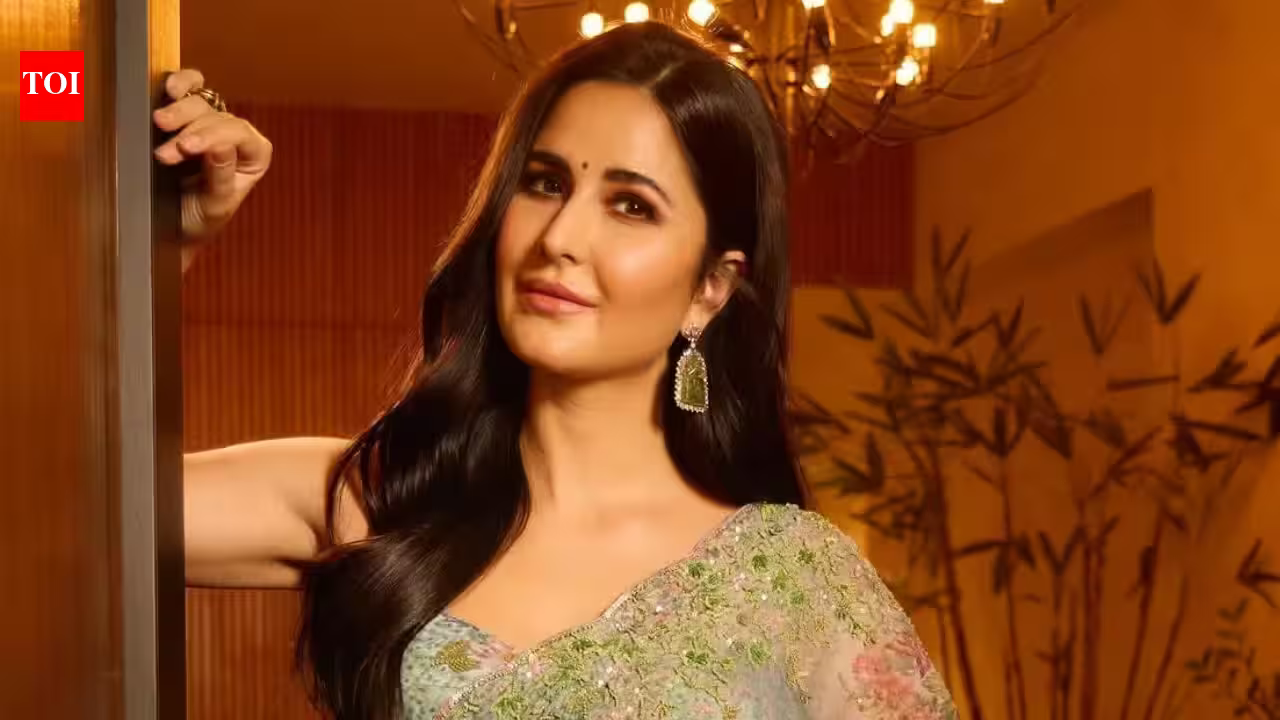
For over two decades, Katrina Kaif has commanded the screen as one of Bollywood’s most enigmatic and enduring superstars. From her breakout roles to becoming a global icon, the public has always been fascinated by more than just her box-office prowess—they’ve been captivated by her journey of growth. In the harsh, unforgiving spotlight of the Indian film industry, where personal lives are often treated as public property, Kaif has navigated high-profile romances with a level of grace that few can maintain. Yet, it wasn’t always a path of effortless poise; it was a journey of hard-won wisdom, particularly when it came to understanding the delicate intersection of romance and self-worth.
The Evolution of a Star’s Perspective
The narrative of Katrina Kaif’s life—often punctuated by the lens of her past relationships with industry titans like Salman Khan and Ranbir Kapoor—has frequently overshadowed the internal work she was doing beneath the surface. For years, the media speculated on her “happily ever after,” projecting traditional expectations onto a woman who was quietly rewriting her own rules.
However, during a pivotal appearance on Koffee With Karan in 2018, the Zindagi Na Milegi Dobara star pulled back the curtain on the emotional labor that defines her approach to life. It was a candid moment of introspection that stripped away the glamour of stardom to reveal a woman who had spent years learning how to occupy her own space without needing a partner to hold the frame.
Unpacking the Myth of “The Other Half”
One of the most revealing moments of that conversation was her critique of the societal pressure placed on women to find their completion in a man. When faced with the common argument that women are inherently wired to crave that binary, Kaif pushed back with refreshing bluntness. She admitted that for a significant portion of her life, she had fallen into the classic trap: anchoring her self-esteem to the ebbs and flows of her romantic life.
“I’m becoming comfortable with who I am,” she confessed to Karan Johar, marking a stark contrast to her younger years. She articulated a sentiment that resonates with countless individuals today: when a relationship is thriving, the ego is inflated; when it falters, the self-image shatters. It was a poignant admission that she had, at one point, lived in a state of emotional volatility, measuring her own value by the level of adoration she received from a partner.
The Burden of Expectation: A Lesson in Responsibility
The crux of Kaif’s philosophy is as simple as it is difficult to practice: nobody else is responsible for your happiness. This realization, she explained, was the most important takeaway from her formative years in the public eye. By placing the onus of our emotional well-being on our partners, we aren’t just creating codependence—we are actively sabotaging the foundation of the partnership.
Kaif noted that asking someone to carry the weight of your happiness is a burden no person can sustain indefinitely. Eventually, the cracks show. Whether it is a moment of neglect, an unmet expectation, or the inevitable human failure to show up perfectly every single day, the weight becomes too heavy to bear. Her insight was profound: the moment you hold someone else responsible for your joy, you have already set the stage for resentment. True emotional maturity, she argued, comes from reclaiming that power and recognizing that your peace of mind is an inside job.
Defining the “Perfect” Partnership
With the wisdom of experience, Kaif’s definition of a “perfect relationship” has shifted from the cinematic, all-consuming passion often depicted on screen to something far more sustainable: a partnership of equals. For her, the most beautiful love is not born out of a frantic need for the other, but rather out of a state of independent contentment.
“The most beautiful kind of love is when neither of you need each other,” she observed. It is a sentiment that sounds almost counter-intuitive in a culture that romanticizes “needing” a significant other, but Kaif sees it as the ultimate goal. When two whole, self-assured individuals come together, the dynamic shifts from one of survival to one of companionship. In this space, there is room for admiration, genuine respect, and an ease of being that can only exist when the pressure of “completion” is removed from the table.
A New Chapter of Quiet Fulfillment
Today, looking at Katrina Kaif’s life, it’s clear that these lessons weren’t just soundbites for a talk show; they were the blueprint for the life she has built. Her marriage to Vicky Kaushal in 2021 signaled a new, intentional phase of her life—one characterized by a fierce protection of her privacy and a focus on domestic tranquility. With the arrival of their son, Vihaan, in 2025, Kaif has stepped away from the relentless churn of the tabloid cycle, opting for a life defined by family and personal groundedness rather than the frantic validation of the industry.
In a business that demands constant performance, Katrina Kaif has managed to do something far more radical than simply win at the box office: she has won at the game of self-ownership. She serves as a reminder that while the red carpets and the accolades are impressive, the most significant performance is the one we give for ourselves, away from the cameras, learning that we are—and always have been—enough.
Disclaimer: This content is auto-generated for informational purposes only.
Source: Read Original News