








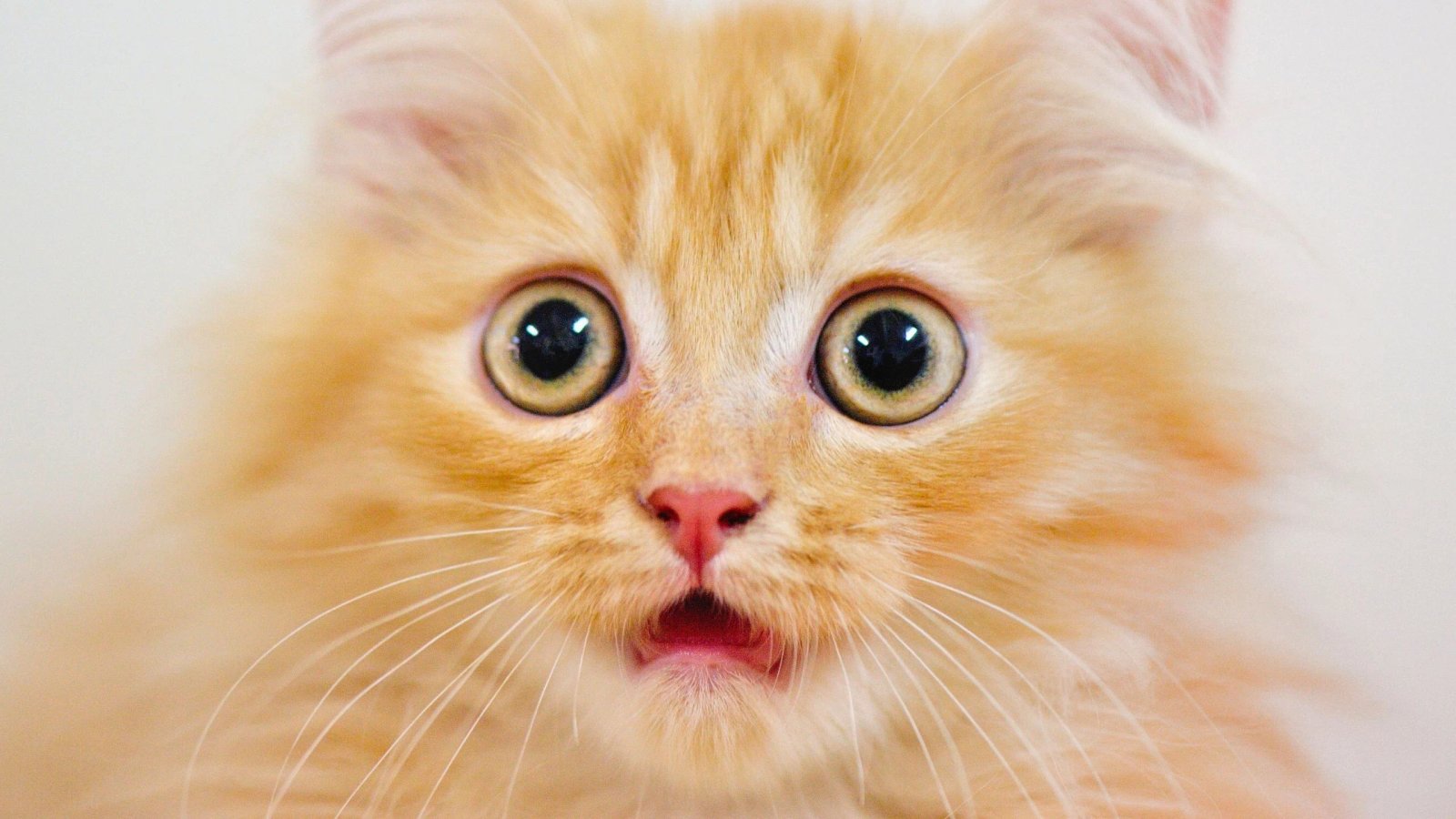
For more than six decades, the genetic mechanism behind the orange coat color in domestic cats has remained one of the most stubborn puzzles in feline biology. While the trait is instantly recognizable, it has defied standard rules of inheritance. Recent scientific breakthroughs have finally closed this chapter of genetic mystery, revealing that the fiery hue of a ginger cat is caused by a specific structural deletion in the feline genome.
The Genetic Mechanism Behind Orange Fur
Two independent research teams have identified that the characteristic orange coloring is the result of a missing segment of DNA. Researchers at Stanford University, led by geneticist Greg Barsh, alongside a separate team led by Kyushu University geneticist Hidehiro Toh, pinpointed a 5-kilobase deletion located in a non-protein-coding region of the cat’s genome.
This deletion occurs upstream of a gene known as Arhgap36. In cats expressing the orange phenotype, skin cells—specifically those that produce pigment—show a thirteen-fold increase in the expression of RNA from this gene. Rather than the protein-coding section of the gene itself being mutated, it is the deletion of the regulatory sequence preceding it that alters the gene’s behavior, causing an overexpression that dictates the final pigment of the cat’s coat.
Understanding the Sex-Linked Nature of Color
The discovery confirms long-standing theories regarding why orange cats are predominantly male. The gene responsible for this trait is located on the X chromosome. Because male cats possess one X and one Y chromosome, they only require one copy of the mutation to exhibit the orange coat. Females, possessing two X chromosomes, must inherit the mutation from both parents to display the full orange phenotype.
This mechanism also explains the complex patterning seen in calico and tortoiseshell cats. In female cats, the process of X-inactivation—where one of the two X chromosomes is randomly turned off in each cell—leads to a mosaic pattern of expression. If a female cat has one mutated X chromosome and one non-mutated X chromosome, the active orange mutation in some skin cells will produce ginger fur, while the deactivated mutation in neighboring cells allows the underlying pigment (typically black or brown) to appear. This results in the characteristic patchworks of color that define tortoiseshell and calico cats.
Impact on Pigment Production
The biological shift from a dark coat to an orange one is essentially a matter of chemical conversion. The over-functioning of Arhgap36 in melanocytes—the cells responsible for producing pigment—shifts the cat’s color production away from eumelanin. Eumelanin is the pigment responsible for dark brown to black hues. When the orange mutation is active, the melanocytes are directed to produce pheomelanin instead. Pheomelanin is the same type of pigment responsible for red or yellowish tones in various mammals, including humans.
By suppressing the production of eumelanin and promoting pheomelanin, the 5-kilobase deletion effectively re-colors the feline coat. The research also highlights that the difference between a calico and a tortoiseshell is not linked to the orange gene itself, but rather to an additional white-spotting mutation. This secondary mutation affects how melanocytes migrate during embryonic development, determining where the surviving patches of color appear on the body.
Safety and Cognitive Implications
Despite the widespread cultural anecdotes suggesting that orange cats possess distinct personality traits or lower intelligence compared to other felines, the genomic findings provide no support for these claims. The researchers noted that Arhgap36 can be associated with developmental issues in other species when its function is severely disrupted; however, in cats, this specific overexpression appears strictly limited to pigment cells.
There is no evidence to suggest that this genetic deletion impacts the health, neurological development, or behavior of the cat. The “ginger cat” reputation for specific behavioral quirks remains a matter of folklore rather than biological reality. The mutation is a localized adaptation that modifies the aesthetic outcome of the melanocytes without impacting the overall mental well-being or cognitive function of the animal.
A Legacy of Scientific Inquiry
The identification of this genetic sequence marks the end of a sixty-year investigation into one of the most visible yet elusive traits in pet genetics. By utilizing databases of hundreds of felines, the research teams provided a comprehensive dataset that definitively links the observed color patterns to the identified genomic deletion.
This study underscores the precision of modern genomic tools in mapping complex traits that have been observed for thousands of years. From the domestication of cats nearly 10,000 years ago to the present day, the ginger cat has remained a constant companion in human history. With this genetic puzzle solved, researchers can now move forward with a clearer understanding of how specific, non-coding DNA deletions can drive significant physical variations in domestic animals. This work, published in Current Biology, provides a foundation for future studies into the nuanced ways that gene regulation dictates the outward characteristics of our most common pets.
Disclaimer: This content is auto-generated for informational purposes only.
Source: Read Original News