







Musk Claims ‘Oligarchs’ Blocking Starlink Entry; Government Dismisses Allegations as ‘Baseless’
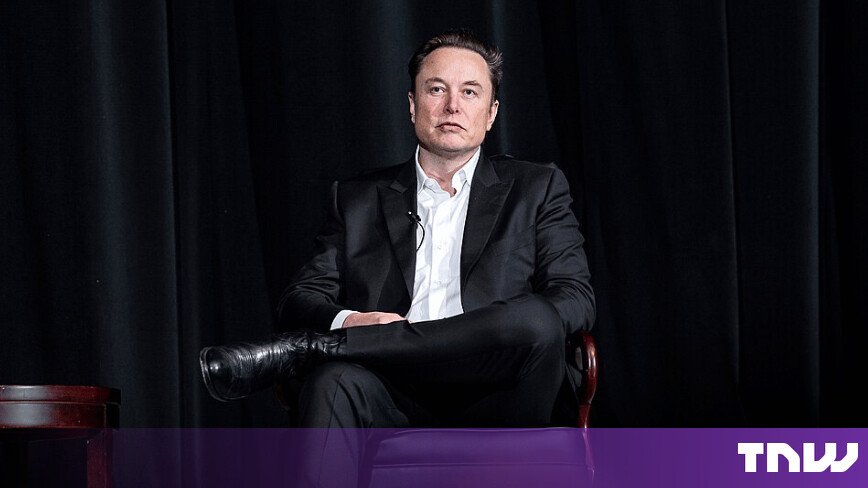
Elon Musk has ignited a firestorm in the Indian telecom sector by alleging that unnamed powerful figures are intentionally obstructing Starlink’s entry into the country. The billionaire entrepreneur, who has been seeking to launch his satellite internet service in India since 2022, took to his social media platform X to claim that a monopolistic “chokehold” is preventing his company from providing connectivity to the Indian population.
In a series of pointed posts, Musk characterized the delay as a “crime against the people of India.” While he refrained from naming specific individuals, his rhetoric took a sharper turn when he questioned if Reliance Industries Chairman Mukesh Ambani is the “real boss of India.” The comment has drawn immediate attention given that Ambani’s Reliance Jio, alongside Sunil Mittal’s Bharti Airtel, currently maintains a dominant position, controlling roughly 80% of the Indian telecommunications market.
Government Rebuts Allegations
The Indian Ministry of Communications issued a firm response on Thursday, rejecting the accusations without explicitly identifying Musk or Starlink by name. Characterizing the claims as “baseless and misconceived,” the government maintained that its regulatory framework remains fair, transparent, and non-discriminatory for all market participants.
Officials emphasized that the approval process for satellite communication services is standardized. According to the ministry, three major entities—Starlink, Jio’s satellite division, and OneWeb India—are currently at comparable stages of the vetting process, with all three undergoing mandatory security clearances. This clarification suggests that Starlink is being subjected to the same regulatory scrutiny as its domestic and international competitors.
A Long-Standing Regulatory Hurdle
Starlink’s journey toward an Indian launch has been characterized by fits and starts. Although the company secured a vital license last year, the final operational approvals remain elusive. The regulatory impasse is partly rooted in heightened national security concerns. Reports indicate that Indian security agencies paused clearance processes in June, following revelations that Starlink had been activated in Iran without formal authorization, prompting questions about the firm’s compliance with international and local protocols.
The landscape has also grown more competitive as domestic players pivot toward space-based technology. Reliance Jio is currently developing its own low-Earth orbit (LEO) satellite constellation, positioning itself as a direct rival to Starlink. Interestingly, initial industry reports from last year suggested a potential partnership, with Jio and Airtel appearing open to the distribution of Starlink hardware. However, those collaborative prospects have reportedly dissolved, replaced by a more adversarial dynamic as both sides vie for supremacy in the emerging space-tech market.
The Path Forward
Despite the ongoing tension, SpaceX leadership remains optimistic about the future. Lauren Dreyer, a key executive at SpaceX, recently expressed hope that the company would secure the necessary final approvals by next year. The company has already made significant infrastructure investments, claiming to have successfully established 20 ground stations across the country to support its future operations.
As the standoff continues, the debate underscores the broader challenges of integrating global tech giants into India’s highly regulated digital ecosystem. While Musk insists that his satellite constellation is the key to closing India’s connectivity gap, the government continues to prioritize a methodical, security-first approach to satellite spectrum and operational licensing. For now, the millions of potential subscribers in underserved areas remain waiting, caught in the crossfire between a global tech powerhouse and a cautious regulatory regime.
Disclaimer: This content is auto-generated for informational purposes only.
Source: Read Original News