






The tragic passing of musical icon Zubeen Garg in September 2025 sent shockwaves across the nation, leaving a void in the hearts of millions of fans who adored the voice that defined a generation of Assamese and Indian music. However, as the grief slowly transitioned into a search for accountability, the narrative surrounding his final hours in Singapore took a dark and complicated turn. This week, the Gauhati High Court provided a significant, if controversial, update in the ongoing saga: the granting of bail to Amritprava Mahanta, a co-singer and key figure in the investigation.
For months, the case has been shrouded in rumors, police interrogations, and high-stakes courtroom drama. As the first of the accused to walk free from custody, Mahanta’s bail signals a pivotal shift in the trajectory of a case that has pitted the narrative of a tragic accident against the harrowing possibility of foul play.
## A Legal Milestone in a High-Stakes Investigation
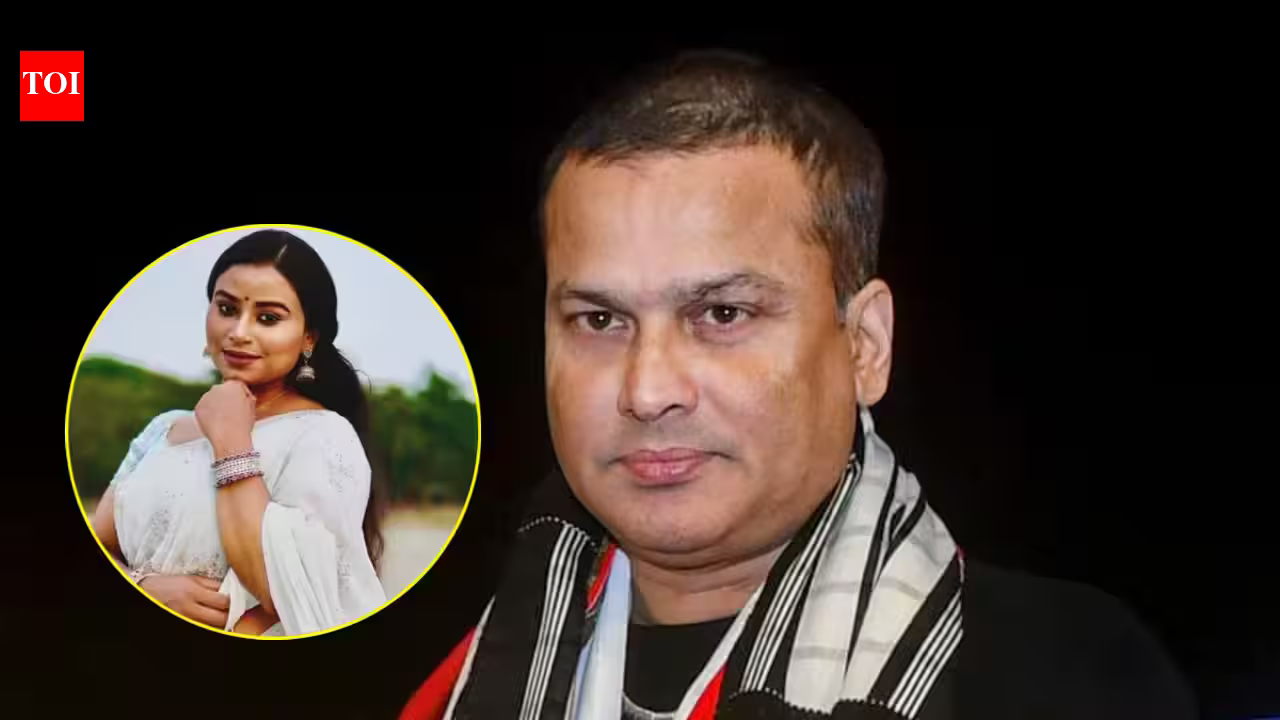
The Gauhati High Court’s decision to grant bail to Amritprava Mahanta on a bond of Rs 50,000 marks the first major legal relief for any individual entangled in the investigation led by the Assam Police’s Special Investigation Team (SIT). Mahanta, who had been in custody since her arrest in 2025 following hours of intense questioning, has maintained her innocence throughout the ordeal.
Special Public Prosecutor Ziaul Kamar confirmed the development, noting that the court’s decision came after a rigorous review of her bail petition. While this grants Mahanta personal liberty, it does not mark the end of the legal scrutiny. The SIT remains steadfast in its pursuit of answers regarding the circumstances that led to the death of the beloved singer, and the legal community is watching closely to see how this bail might influence the remaining detainees and the broader investigation.
## The Tragic End of a Cultural Icon
To understand the gravity of the case, one must look back at the events of September 19, 2025. Zubeen Garg, a superstar known as much for his humanitarian work as his mellifluous voice, was in Singapore ahead of the prestigious Northeast India Festival. He was slated to be the headline performer—a role that fans expected would bring a massive, celebratory turnout.
Instead of the festival stage, the world received news of his drowning in a scuba diving accident. The suddenness of the event, coupled with the high-profile nature of the victim, immediately raised red flags among investigators and the public alike. Was it truly a failure of safety protocols, or was there more to the story? The investigation eventually expanded to include Shyamkanu Mahanta, the organizer of the Northeast India Festival since 2013, whose arrest cast a shadow over both the event and the circle of people surrounding the late singer.
## Supreme Court Oversight and the Pressure for Justice
Recognizing the public outcry and the potential for bureaucratic delay, the Supreme Court of India took an active interest in the case earlier this year. In August, a bench comprising Justices BV Nagarathna and R Mahadevan addressed the proceedings regarding Shyamkanu Mahanta, explicitly directing the Assam government to ensure a careful and expedited trial.
The gravity of the Supreme Court’s involvement cannot be overstated. During the hearing, Justice Nagarathna emphasized that the bench is keeping the state under direct pressure to move the trial forward. The court has demanded frequent updates, with the prosecution assuring that the trial is being held on a daily basis. With key witnesses slated to depose in the coming weeks, the Supreme Court’s oversight is intended to ensure that the investigation remains transparent and immune to the influence of those involved.
## A Battle of Narratives: Accident or Conspiracy?
The courtroom has become a theater of conflicting realities. On one side, the defense for the accused has consistently pushed for the characterization of Garg’s death as a tragic, yet ultimately accidental, occurrence. Senior advocate Siddharth Dave, representing Shyamkanu Mahanta, has forcefully argued that Garg was a consenting adult. The defense maintains that the singer voluntarily participated in the excursion, chose to board the boat, and donned a life jacket of his own volition.
The defense’s argument is designed to strip away the conspiracy narrative, pointing toward individual agency. They have explicitly challenged the prosecution’s theory that Mahanta failed to provide proper care or that alcohol consumption played a part in the fatal incident. “Garg was an adult,” the defense argues, suggesting that one cannot be held criminally liable for the personal choices of a fellow traveler.
In sharp contrast, the State’s case rests on the belief that this was no mere mishap. Prosecutors maintain that they have gathered material evidence pointing toward a sophisticated conspiracy. The State suggests that the events of that day were orchestrated, and they continue to argue that the evidence transcends simple negligence. This fundamental disagreement—between a tragic lapse in safety and a pre-meditated or deliberate act of malice—remains the core of the legal battle.
## The Path Forward
As Amritprava Mahanta steps out on bail, the case enters a delicate phase. The public’s demand for “Justice for Zubeen” remains as loud as ever, with fan clubs and civil society organizations keeping a vigilant eye on the courtroom proceedings.
For the families involved and the millions of fans who still struggle to process the loss of a man who was synonymous with the cultural pride of Northeast India, the legal outcome carries immense weight. Whether the trial reveals a pattern of criminal negligence or a darker, more intentional conspiracy, the Gauhati High Court and the SIT now face the daunting task of unraveling a narrative that has become inextricably linked with the legacy of a man who belonged to the people. For now, the legal system continues its slow grind, tasked with the heavy responsibility of discerning truth from rumor, and accident from crime.
Disclaimer: This content is auto-generated for informational purposes only.
Source: Read Original News