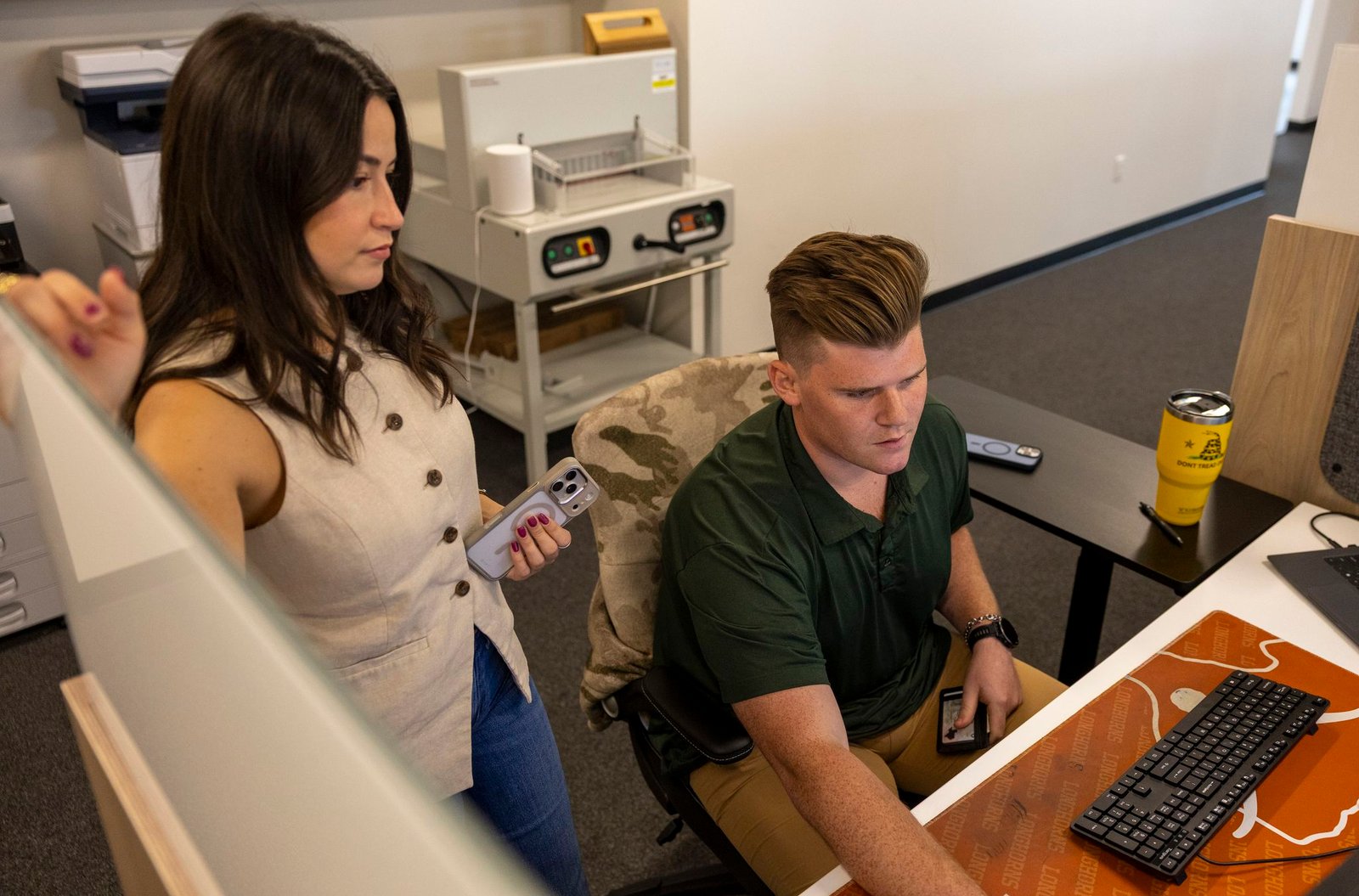










Against a backdrop of economic uncertainty and shifting political landscapes, Latino entrepreneurs across the United States are building physical and digital ecosystems to secure their future. From San Francisco’s Mission District to downtown Phoenix, these business owners are creating storefronts that serve as cultural anchors, providing not just retail shelf space, but a vital lifeline of resources, mentorship, and community resilience.
## Scaling Through Community and Technology
In San Francisco, the nonprofit Mission Lotería has transformed years of community advocacy—ranging from taco tours to cultural festivals—into a permanent brick-and-mortar storefront. Founder Luis Quiroz views the space as an “incubator” of sorts, where local creators can gain exposure. To bridge the gap between local shoppers and distant digital audiences, the organization is currently constructing a dedicated podcast room in the back of its shop.
This tech-forward approach is becoming a standard for small businesses looking to compete in high-cost cities. By producing social media content, YouTube features, and podcasts, these entrepreneurs are using digital storytelling to humanize their brands. For these creators, technology is not just about sales; it is a tool for preserving heritage and sharing the often-complex journeys of Latino business owners with a global audience.
## Addressing Structural Disparities
The drive to build these hubs is fueled by stark economic data. According to recent U.S. Bureau of Labor Statistics data, Hispanic women working full-time earn only 79% of the median earnings of their white counterparts. In Phoenix, Stephanie Vasquez of the Amor Collective is tackling this head-on. Her organization, ELLA (Empowering Latina Leaders in Arizona), provides a safety net that includes banking advice and public relations workshops.
Recognizing the fear surrounding immigration crackdowns, Vasquez has integrated remote access tools into her business model. By moving meetings to platforms like Zoom, she ensures that entrepreneurs with family members facing detention—or those who fear leaving their homes—can still access essential professional training. This hybrid model reflects a broader shift toward accessible, inclusive business infrastructure that prioritizes the safety and stability of the community over traditional office-only operations.
## The Role of Cities and Economic Innovation
As Latino-led businesses continue to emerge at three times the rate of the general population, municipal governments are beginning to recognize the economic necessity of supporting these ventures. In Massachusetts, the North Central Chamber of Commerce has launched LIDER (Latino Initiative for Development of Entrepreneurship and Resources), an effort specifically designed to close the “access gap” by providing bilingual materials and networking opportunities.
This trend toward institutional support is bolstered by city-led grant programs. Quiroz, for instance, credits a $50,000 San Francisco storefront opportunity grant as the critical capital that allowed Mission Lotería to complete its build-out. By providing these grants, cities are betting on the long-term vitality of the Latino demographic to revitalize urban neighborhoods.
As these organizations continue to evolve, they are looking toward the future. By blending physical event spaces—where DJs spin music and craft classes bring neighbors together—with professional development programs and high-quality content production, these leaders are proving that the “American Dream” is not a singular goal, but a communal effort. Whether through a retail display in a sunshine-yellow shop or a high-definition video interview on YouTube, these entrepreneurs are rewriting the narrative of business ownership in the digital age, ensuring that their heritage is not just represented, but championed.
Disclaimer: This content is auto-generated for informational purposes only.
Source: Read Original News