







Faith Meets Science: How India’s Grassroots Initiatives Are Redefining Mental Health
In the quiet courtyards of Dargahs, temples, and village community centers across India, a silent revolution is unfolding. For generations, mental health conditions were often shrouded in superstition, misidentified as spiritual afflictions, or ignored due to deep-seated societal taboos. Today, however, a growing movement is bridging the gap between traditional faith-based healing and modern psychiatric care, creating a new blueprint for mental wellness that resonates with the cultural fabric of the nation.
The Intersection of Belief and Clinical Care
For many in India’s rural and semi-urban landscapes, the first point of contact for any health issue is not a psychiatrist, but a community leader or a faith healer. Recognizing this reality, NGOs and healthcare reformers have stopped fighting these institutions and started partnering with them.
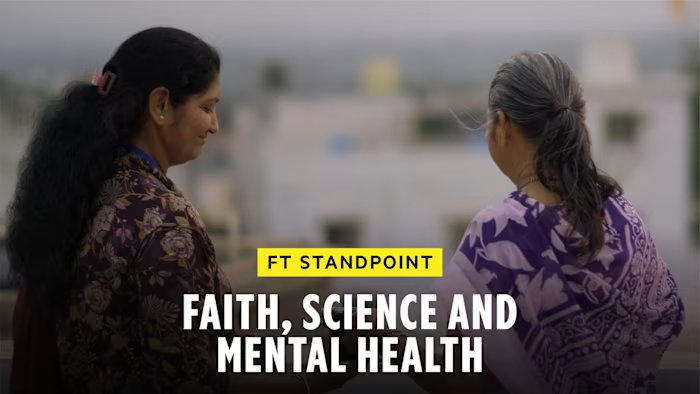
Instead of dismissing traditional beliefs, mental health professionals are now training custodians of faith—priests, imams, and community elders—to identify the red flags of clinical depression, anxiety, and schizophrenia. By positioning medical intervention as an extension of spiritual well-being rather than a contradiction to it, these initiatives have significantly lowered the barriers to seeking help. When a family feels that a doctor’s diagnosis complements their prayer, the stigma that typically forces sufferers into isolation begins to dissolve.
Transforming Traditional Spaces
One of the most profound shifts is the integration of “clinics within sanctuaries.” In various parts of the country, psychiatric outreach programs have begun setting up temporary consultation desks near popular pilgrimage sites. These programs provide a safe, non-judgmental space where individuals who previously sought only spiritual relief can now access evidence-based medicine.
The approach is simple but radical: practitioners spend time educating families that mental illnesses are physiological conditions, effectively de-linking “madness” from “possession” or “divine punishment.” By providing counseling alongside traditional customs, these programs ensure that patients receive holistic support. The result is a dramatic increase in treatment adherence, as patients no longer feel they must choose between their cultural identity and their health.
Tackling Stigma at the Local Level
Social stigma remains the most formidable obstacle to mental healthcare in India. In many communities, a diagnosis of a mental health condition can affect marriage prospects, social standing, and employment. By involving community figures, these health initiatives reframe mental health not as a personal failure or a moral failing, but as a manageable aspect of community life.
When a respected community leader publicly supports clinical intervention, the ripple effect is immense. It signals to neighbors and families that seeking professional help is a sign of wisdom, not weakness. This localized advocacy is gradually dismantling the culture of silence that has kept millions in the shadows.
The Future of Community-Led Healing
As India grapples with a significant shortage of psychiatrists and mental health beds, these community-driven models offer a sustainable path forward. They prove that when science is adapted to respect the cultural context of the patient, the adoption rate of modern medicine skyrockets.
While the journey toward destigmatizing mental health in India is far from complete, the marriage of faith and science provides a blueprint for a more inclusive future. By respecting the traditions that anchor Indian society while providing the medical rigor it demands, these grassroots efforts are not just treating symptoms—they are healing the social landscape itself. As these models scale, they promise a future where mental healthcare is no longer an alien intrusion, but a vital, welcomed part of the community’s collective life.
Disclaimer: This content is auto-generated for informational purposes only.
Source: Read Original News