







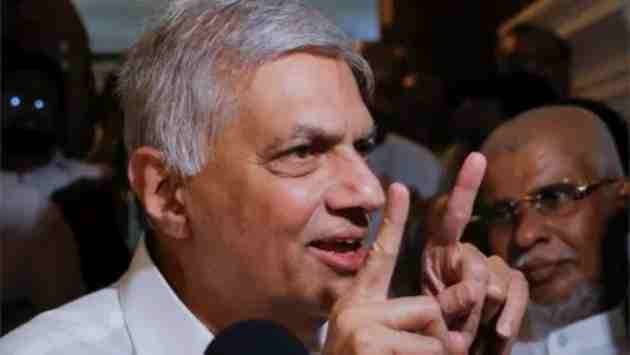
Former President Ranil Wickremesinghe has broken his silence regarding the controversial presidential pardon granted to Venerable Galagoda Aththe Gnanasara Thera, asserting that the decision was the culmination of extensive high-level consultations involving religious leaders, government officials, and the sitting administration at the time.
The explanation, delivered amidst renewed public discourse regarding the legal and political implications of the pardon, centers on the assertion that the move was not a unilateral executive action, but rather a consensus-driven resolution. Wickremesinghe clarified that he had engaged in deep deliberation with key figures, including senior members of the Buddhist clergy and cabinet ministers, to weigh the socio-political climate before advising then-President Maithripala Sirisena on the matter.
“The decision was not taken in isolation,” Wickremesinghe stated, emphasizing that the consultative process was intended to maintain national stability and respect the sentiments of the Buddhist community. According to the former President, the pardon was navigated through discussions that aimed to balance legal procedures with the request for clemency forwarded by various influential factions within the religious hierarchy.
Venerable Gnanasara Thera, the General Secretary of the Bodu Bala Sena (BBS), had been serving a prison sentence for contempt of court when the pardon was granted by President Sirisena in May 2019. The release sparked significant debate, drawing criticism from civil society organizations and legal experts who questioned the criteria used for executive clemency in cases involving judicial contempt.
Wickremesinghe’s recent clarification seeks to contextualize his role during that period, framing his involvement as a mediator who facilitated communication between the religious establishment and the executive branch. By invoking the participation of ministers and the then-President, Wickremesinghe is distancing himself from the narrative that the pardon was solely his political agenda, instead presenting it as a collective decision aimed at addressing the concerns of stakeholders who wielded significant influence at the time.
The timing of this disclosure is noteworthy, as it arrives at a juncture where the use of presidential powers for pardons is under increased scrutiny by reformers and judicial watchdogs. Critics have long argued that such acts of clemency undermine the independence of the judiciary and set a troubling precedent for the rule of law. However, supporters of the move have historically maintained that such decisions fall within the constitutional prerogative of the President to ensure communal harmony and respond to the petitions of religious leaders.
As the political landscape continues to evolve, Wickremesinghe’s detailed account serves as a reminder of the intricate and often opaque power dynamics that governed executive decisions during the previous administrations. Whether this explanation will satisfy the legal community or quell the controversy surrounding the pardon remains to be seen, as public debate over the boundaries of presidential authority continues to intensify.
Disclaimer: This content is auto-generated for informational purposes only.
Source: Read Original News