









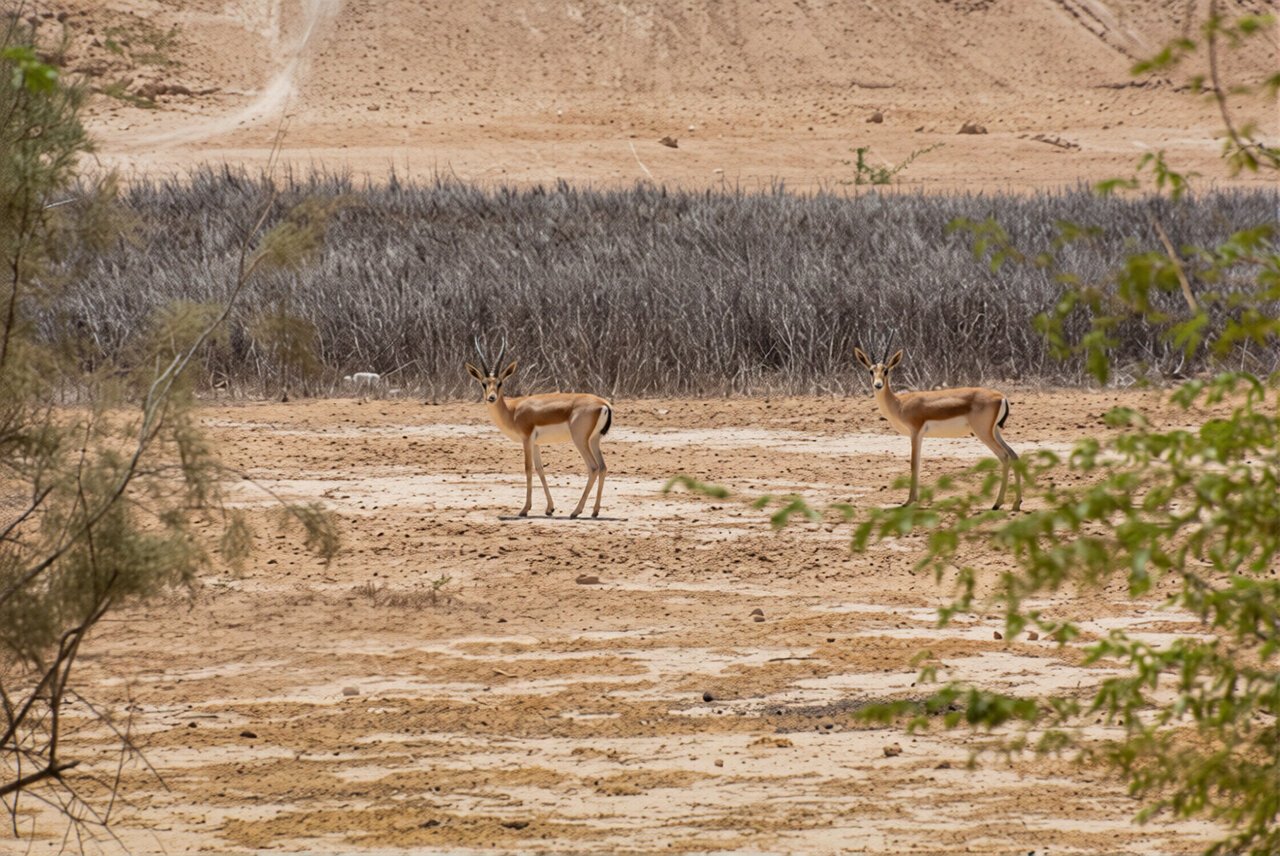
The environmental fallout of military aggression is often obscured by the immediate human and infrastructural toll of conflict, yet the recent devastation on Kharg Island serves as a grim reminder that nature is frequently the conflict’s “silent victim.” Following recent strikes on the island in southern Bushehr Province, Iranian environmental officials have begun compiling a comprehensive report to document the ecological destruction, with the stated intent of pursuing legal accountability through international bodies, including the United Nations.
Abdolrahman Moradzadeh, director general of the Bushehr Province Department of Environment, has emphasized that the protection of the island’s natural habitats and wildlife is a matter of national security and heritage. According to officials, the current priority is the meticulous documentation of environmental damage, which they argue is an essential step in leveraging international legal mechanisms to hold aggressors accountable.
The immediate consequences of the military actions are already quantifiable in the tragic loss of local fauna. Masoumeh Safaei, deputy director of Iran’s Office for Wildlife Protection and Management, confirmed that at least 25 deer have been found dead on Kharg Island. However, environmental experts warn that this figure is likely a significant undercount. Safaei clarified that this data only reflects observations made outside of restricted military zones, suggesting that the true toll on the island’s wildlife population is far higher.
Beyond the visible death toll, ecologists highlight that the environmental impacts of warfare are multidimensional and often long-lasting. Explosions and sustained military activity do not only kill through direct impact; they destroy critical habitats and create intense acoustic pollution. Exposure to such trauma triggers severe physiological stress, which, as Safaei noted, has even manifested in animals held in captivity, showing signs of psychological distress due to the nearby blasts.
Shina Ansari, head of the Department of Environment (DOE), has positioned the issue within the broader context of global environmental governance. Addressing the ninth session of the Committee on Environment and Development (CED9) in Bangkok, Ansari argued that remaining passive in the face of conflict-driven environmental degradation is a dangerous precedent. She underscored that nature is often the last component of a landscape to recover, with damages frequently lingering for decades.
“The environment is the first silent victim of war and the last to recover from its consequences,” Ansari stated during her address. “Environmental destruction may continue to undermine human health, food security, water resources, and biodiversity for decades after the guns fall silent.”
Ansari’s remarks at the CED9 meeting emphasized the transboundary nature of ecological damage. She argued that when war targets the environment, it damages the “shared heritage of humanity.” By framing the destruction of Kharg Island’s ecosystem not just as a local loss, but as a transgression against global biodiversity, Iranian officials are signaling a shift toward seeking international arbitration for what they term “environmental war crimes.”
The Iranian delegation’s push for accountability rests on the principle that the aggressors must provide full compensation for the destruction they have caused. They argue that effective implementation of such principles is not merely a matter of justice for a single affected state, but a necessary deterrent against future ecological devastation.
As documentation efforts continue on Kharg Island, the case highlights an evolving discourse in international law: the need to categorize environmental destruction during wartime as a specific, actionable crime. For the officials in Bushehr, the death of the Kharg deer is more than a local tragedy; it is evidence of a systemic threat to the planet’s stability that they are now demanding the international community address. As the report nears completion, it marks the beginning of a complex legal journey aimed at ensuring that those who wage war are held responsible for the lasting scars left upon the natural world.
Disclaimer: This content is auto-generated for informational purposes only.
Source: Read Original News