







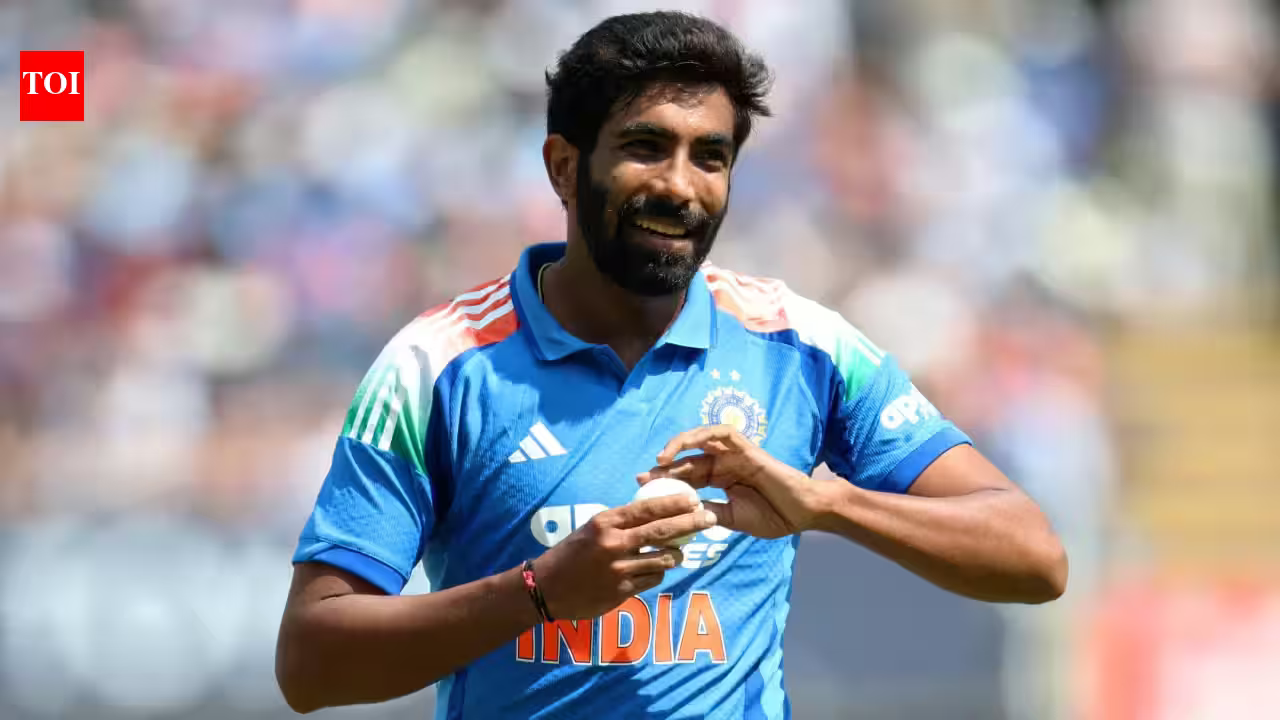
INDORE – The numbers do not lie, and in the high-stakes arena of international T20 cricket, they paint a portrait of a team standing on a precipice. As India prepares for a pivotal series decider against the West Indies at the Holkar Stadium, the shadows cast by the absence of Jasprit Bumrah have never been longer. The statistical disparity between India’s performance with their premier fast bowler and their output in his absence has reached a level that can no longer be ignored—it is a glaring vulnerability that threatens to derail their current campaign.
Data compiled from India’s T20I outings against Full Member nations throughout 2026 reveals a startling trend. When Bumrah is marked on the team sheet, the Indian bowling unit functions with surgical precision. In those 15 matches, the Men in Blue have claimed 111 wickets, maintaining an impressive average of 22.18 and a disciplined economy rate of 8.77. These are the metrics of a world-class attack, capable of strangling opposition momentum and dictating the tempo of the game.
However, the picture shifts dramatically when Bumrah is sidelined. In the 13 matches played without his services, the bowling efficiency collapses. The wicket-taking rate plummets, with the team managing only 73 scalps—a stark drop-off despite the volume of matches remaining nearly identical. The average balloons to 29.32, and the economy rate spikes to 9.37. In the fine margins of the shortest format, these are not just minor fluctuations; they are catastrophic shifts that dictate the difference between victory and defeat.
The Burden of Expectation and the Reality of Collapse
The reliance on Bumrah transcends mere statistics; it is a question of psychological and tactical control. Bumrah is not just a wicket-taker; he is the anchor of the Indian bowling innings, the bowler who can deliver in the pressure-cooker environment of the death overs and provide breakthroughs when the opposition threatens to run away with the game. Without him, India’s attack often appears rudderless, lacking the variety and the lethal accuracy required to dismantle top-order batting lineups.
This reality has been laid bare in the current series against the West Indies. After Shreyas Iyer’s magnificent, unbeaten 102 guided India to a commanding victory in the opening T20I in Lucknow, the limitations of the current bowling group were exposed in the second encounter in Ranchi. Despite an early flurry of wickets that put the tourists on the back foot, the Indian attack failed to apply the finishing blow. Shai Hope’s masterful century steered the West Indies to a successful chase of a 250-run target, a result that leveled the series and highlighted the frailty of a unit missing its talisman.
A Storm Brewing in Indore
The focus now shifts to Indore, a venue synonymous with batting paradises and short boundaries. With the pitch expected to be a graveyard for bowlers and the momentum squarely with a confident West Indies side, the pressure on the Indian bowlers is set to reach a fever pitch.
“The conditions here don’t offer much,” noted a team insider, speaking on the condition of anonymity regarding the preparations. “When you’re bowling on a track where every mishit travels to the boundary, you need your primary strike force to be at their absolute best. Without the control Jasprit provides, our margin for error effectively vanishes.”
For the Indian management, the dilemma is multi-faceted. The bowling unit is not only failing to contain the opposition but is also suffering from a systemic breakdown in support. India currently leads the charts among Full Member nations for dropped catches since 2025, with a string of misfields and missed run-out opportunities compounding the bowlers’ woes. On high-scoring surfaces, where one wicket can be the difference between a competitive total and a complete surrender, these fielding lapses are becoming an existential threat to the team’s balance.
The Search for Solutions
As the team management contemplates the lineup for the decider, the “Bumrah factor” remains the elephant in the room. While the coaching staff works on bolstering the confidence of the available seamers, the numbers indicate that no amount of tactical tinkering can fully replicate the void left by his absence.
Is the dependence on one bowler an indictment of the domestic pipeline, or a testament to Bumrah’s unique, generational talent? Regardless of the answer, the reality for the current squad is stark. To reclaim the series in Indore, they must find a way to operate as a cohesive, disciplined unit, rather than relying on individual heroics to paper over the cracks.
The match at Holkar Stadium will be a test of character. It will reveal whether the Indian bowling attack has the resilience to withstand the pressure of a high-octane batting display or if they are doomed to repeat the failures of Ranchi. One thing is certain: with or without their star quick, the margin for error is zero. In the landscape of 2026 T20I cricket, India is learning the hard way that when your anchor is missing, you are perpetually adrift in a sea of aggressive batting lineups. The time for excuses has passed; the time for a clinical, disciplined performance has arrived.
Disclaimer: This content is auto-generated for informational purposes only.
Source: Read Original News