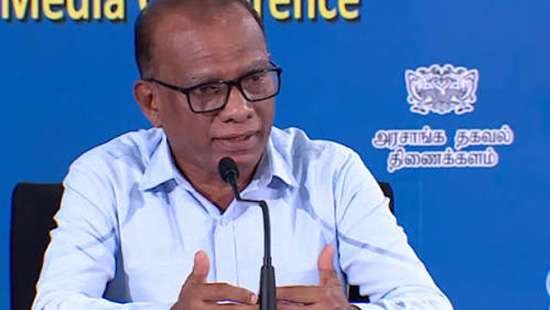










CARDIFF — A major new multi-agency task force was launched this morning to address the escalating infrastructure and economic challenges facing communities across Wales. The initiative, announced by government officials in Cardiff, marks the beginning of a significant push to modernize local connectivity, upgrade public services, and revitalize high streets that have struggled in the wake of shifting economic landscapes.
The task force, comprising representatives from regional councils, national infrastructure planners, and private sector stakeholders, has been granted a mandate to expedite funding for critical projects that have stalled over the past eighteen months. Among the immediate priorities are the expansion of reliable high-speed broadband in rural North and Mid Wales, the renovation of transport links connecting the Valleys to major urban hubs, and a targeted investment strategy aimed at supporting small businesses.
Speaking from the Senedd, the Minister for Economy emphasized that the current “patchwork” of localized improvements is no longer sufficient to meet the demands of a modern Wales. “We are seeing a clear divide between our major cities and our rural heartlands,” the Minister stated. “This task force is designed to bridge that gap by cutting through the red tape that has historically hampered regional development. We are not just talking about incremental change; we are talking about a structural overhaul that ensures every corner of Wales is positioned for sustainable growth.”
The announcement comes following a series of reports highlighting the urgent need for investment in essential services. Many residents in peripheral communities have voiced concerns regarding the decline of local amenities, the reliability of public transport, and the cost-of-living pressures that have disproportionately impacted Welsh households. The new plan includes a specific “Community First” grant scheme, which will allow local councils to bid for rapid-response funding to tackle “pain points,” such as road repairs, digital exclusion, and youth engagement programs.
However, the initiative has already drawn scrutiny from opposition leaders. Critics have questioned the scope of the funding, arguing that without a long-term, legally binding commitment to regional equality, the task force risks becoming another bureaucratic layer rather than a solution. Questions remain regarding how the administration intends to balance the needs of disparate regions while maintaining fiscal responsibility during a period of national budget tightening.
As the task force prepares for its first session of briefings next week, the immediate impact will be felt in the rollout of the pilot schemes. Officials have promised that the first wave of infrastructural upgrades will be visible by the early months of next year. For many Welsh citizens watching the developments closely, the hope is that this latest commitment translates into tangible, daily improvements for communities that have felt left behind for far too long.
Disclaimer: This content is auto-generated for informational purposes only.
Source: Read Original News