



Leaders of India’s ‘Cockroach’ Movement Released After Pre-Protest Crackdown
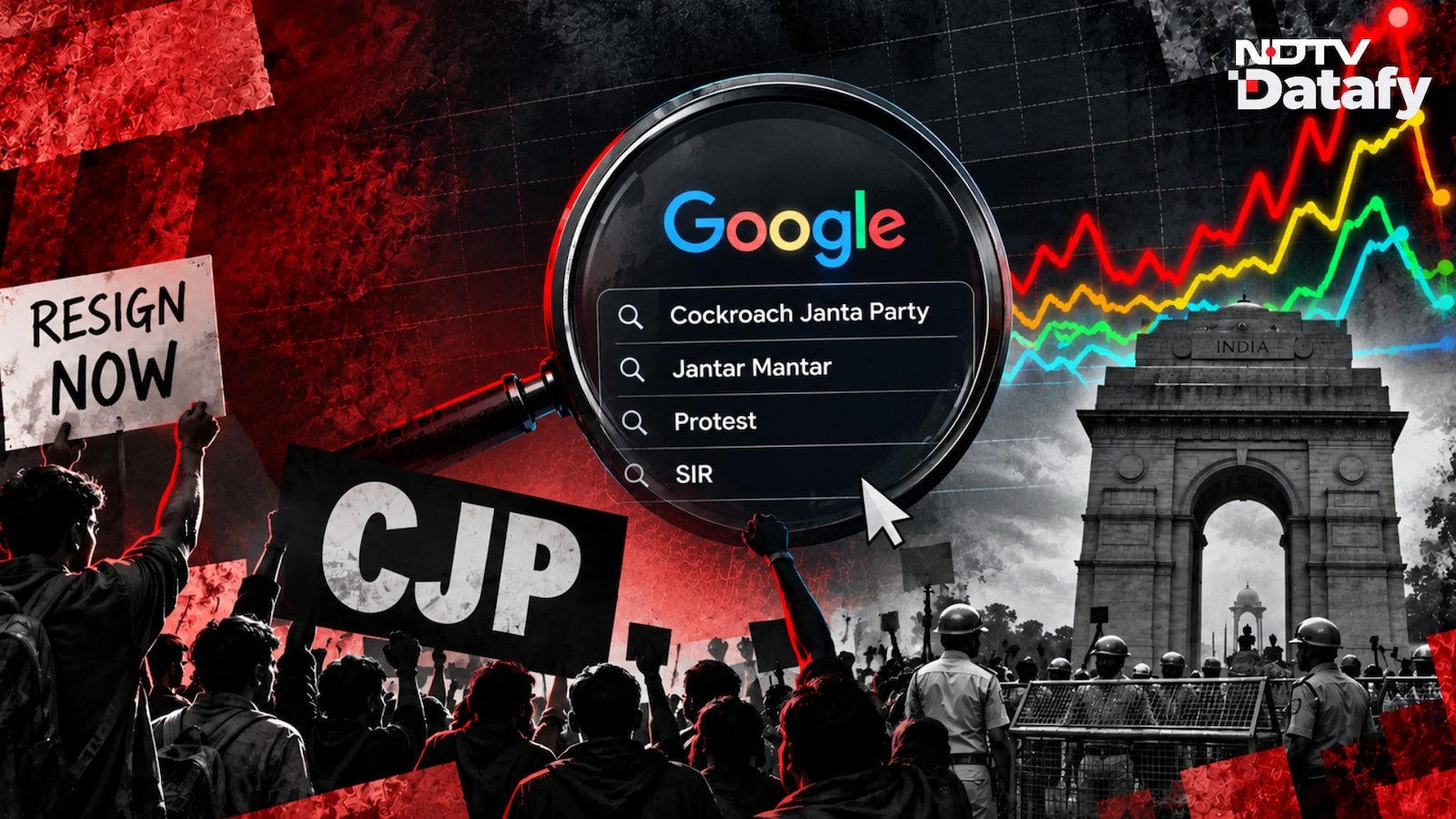
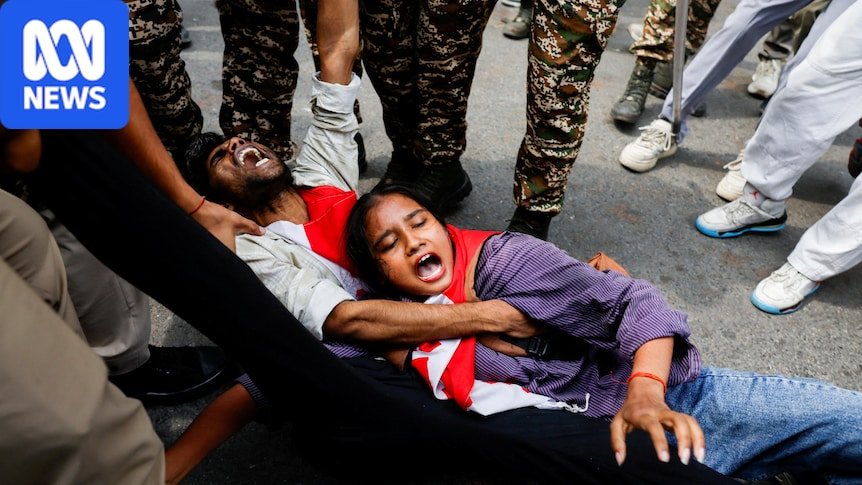
Prominent leaders of the youth-led “Cockroach Janta Party” (CJP) were released from custody on Sunday, one day after a sweeping security operation across New Delhi led to the detention of thousands of demonstrators. The crackdown was aimed at preventing a massive protest targeting the Election Commission of India.
Among those released were the movement’s founder, Abhijeet Dipke, alongside leaders Ashutosh Ranka and Saurav Das. The trio had been intercepted by authorities while arriving at a Delhi airport from Mumbai. Popular social media influencer and activist Dhruv Rathee, who was detained at his residence, was also set free.
Ratna Singh, the legal counsel for the CJP, confirmed the release through a statement on social media, noting that the leaders were granted freedom by an executive magistrate’s court. The release came with a restrictive condition that the activists must not engage in any “breach of peace” for the next year.
A Sharp Rebuttal to Government Tactics
Following his release, Abhijeet Dipke wasted no time in condemning the administration of Prime Minister Narendra Modi. In a fiery social media post, the youth leader labeled the Prime Minister an “embarrassment” to the nation, branding him a “coward and a bully.”
The weekend’s events were meant to be the climax of weeks of mounting public frustration. The protest movement has been demanding the resignation of the Election Commission’s leadership, alleging that a massive, nationwide revision of electoral rolls was manipulated to favor the ruling Bharatiya Janata Party (BJP). According to reports, the revision process resulted in the removal of over 133 million names from voter lists, with critics arguing that the exercise disproportionately disenfranchised minority groups, particularly Muslims.
Election officials have steadfastly defended the integrity of the process, asserting that the initiative was intended only to remove fraudulent, deceased, or duplicate entries.
Growing Tension and Future Mobilization
The government’s decision to lock down parts of the capital—including the closure of metro stations and high-security deployment—triggered international scrutiny. The United Nations human rights office issued a call from Geneva, urging the Indian government to unconditionally release all individuals deemed to have been “arbitrarily detained.”
While the streets of Delhi appeared calm on Sunday, the movement shows no signs of dissipating. Opposition leader Rahul Gandhi has openly supported the CJP, suggesting that the government’s heavy-handed tactics have only fueled further resentment among the nation’s youth.
“The more Modi and his government crack down, the more the anger of Gen Z and students will grow,” Gandhi remarked, signaling that the Congress party and the CJP are planning to resume large-scale protests as early as Monday.
The CJP has emerged as a significant political force since its inception in May. The group’s ability to mobilize millions through social media was previously demonstrated in July, when their protests against exam irregularities successfully forced the resignation of the Union Education Minister. As the standoff between the youth movement and the administration intensifies, the Supreme Court is expected to weigh in on the legality of the recent security clampdown, marking a pivotal moment in the ongoing challenge to the government’s authority.
Disclaimer: This content is auto-generated for informational purposes only.
Source: Read Original News