







Introducing HomeView: Apple’s Strategic Shift in Home Automation
Apple is preparing to expand its presence in the smart home sector with the upcoming launch of a dedicated hardware hub, branded as the HomeView. Following recent reports regarding the company’s October “Welcome Home” event, it is clear that Apple intends to unify its home ecosystem under a new category that bridges the gap between smart speakers and interactive command centers. The HomeView is designed to serve as the central brain of a household, moving beyond the capabilities of the HomePod by integrating a visual interface into the core user experience.
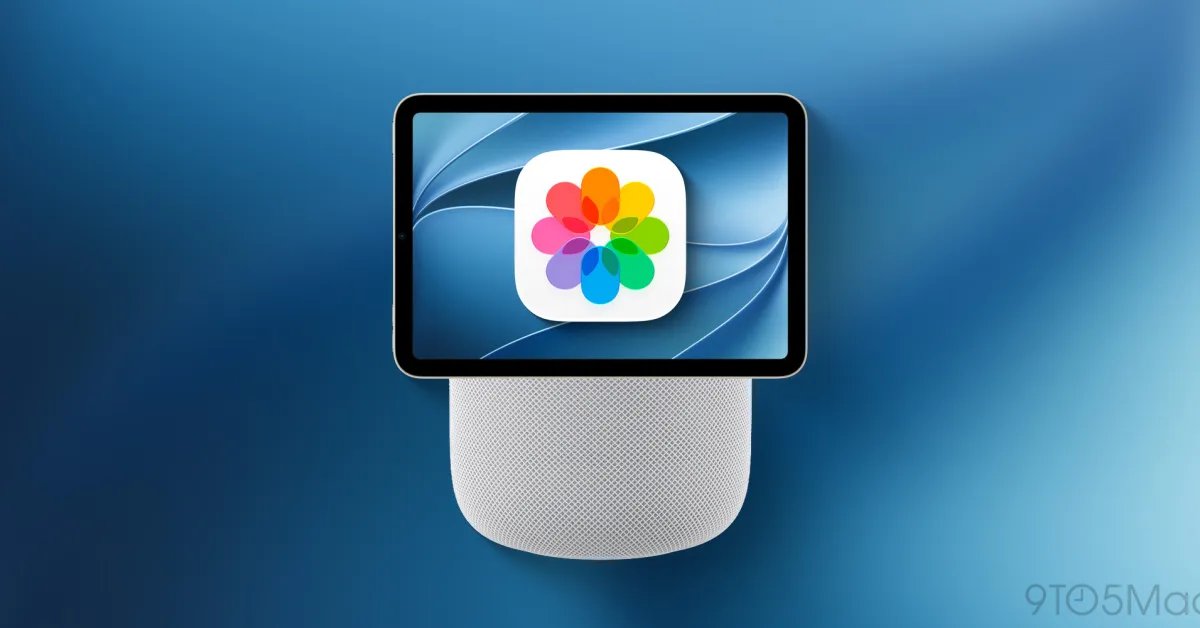
The device design leans into nostalgia while maintaining a modern aesthetic, characterized by a floating display mounted on a circular speaker base. This architectural choice is reminiscent of the iconic iMac G4, offering a distinctive silhouette that differentiates the device from standard tablets or wall-mounted displays. Beyond the primary speaker-based model, the hardware lineup will include a square-based, wall-mountable version, providing flexibility for different room layouts and usage scenarios.
Hardware Specifications and Performance Architecture
At the heart of the HomeView lies the A18 chip, a powerful processor that ensures the device can handle complex tasks without latency. By utilizing this advanced silicon, Apple positions the HomeView as a high-performance computer rather than a simple peripheral. This processing power is critical for supporting the device’s primary function: serving as an interactive AI hub.
The speaker-integrated version of the HomeView will launch in four colors: space gray, silver, starlight, and pink. Conversely, the wall-mountable variant will focus on a more minimalist aesthetic, arriving in monochromatic silver or space gray. These color palettes are intended to blend the device into various interior design styles, ensuring that the hardware remains functional yet unobtrusive. While the device will launch in October, hardware availability is scheduled for mid-November, providing the supply chain sufficient time to meet the expected consumer demand.
The Role of Siri AI and Interface Design
The user experience on the HomeView is built around voice-first interaction powered by the latest iterations of Siri. Unlike traditional tablets that require constant physical interaction, the HomeView is optimized for long-range voice commands. Users can issue requests or control smart home devices from across a room, with the display acting as a visual confirmation of these actions. The interface is engineered to present information clearly at a distance, allowing occupants to monitor weather, home security status, or media playback without needing to approach the hardware.
One of the most notable technical constraints of the HomeView is its lack of a dedicated App Store. Instead of supporting a full catalog of downloadable software, the device will prioritize core Apple applications that support home management. This limitation is a deliberate choice intended to maintain system stability and security. To bridge the functionality gap, Apple has implemented a projection feature that allows users to cast widgets from their iPhones directly onto the HomeView display. This approach keeps the device lightweight and focused on its primary utility as a controller rather than a secondary general-purpose computer.
Expanding the Ecosystem: Refreshes and Partnerships
The announcement of the HomeView is part of a broader strategy to solidify Apple’s position in home automation. Alongside the new hardware, Apple is planning a series of updates for its existing product lines, including the Apple TV set-top box and the HomePod mini. These refreshes are expected to improve cross-device compatibility, ensuring that the HomeView acts as a master controller for a wider array of hardware.
Furthermore, Apple has pursued strategic partnerships with industry leaders such as LG to develop a suite of smart home accessories. This ecosystem will include critical infrastructure devices like smart thermostats, electronic door locks, and high-definition doorbells. By collaborating with established appliance manufacturers, Apple is ensuring that the software integration within the HomeView reaches beyond its own product portfolio, facilitating a more cohesive user experience that includes lighting, climate control, and security monitoring.
Impact on Smart Home Industry Standards
The arrival of the HomeView signals a significant shift in how manufacturers view the smart home interface. For years, the market has been fragmented, with disparate systems requiring multiple apps and inconsistent communication protocols. Apple’s initiative points toward a more centralized future where a single, high-performance display acts as the reliable nexus for all domestic automation.
By prioritizing voice input and visual feedback, Apple is addressing the accessibility and usability friction that has hindered the mass adoption of smart home technologies. The focus on reliable, locally-processed interactions—supported by the A18 chip—also suggests that privacy and speed will be competitive advantages for the platform. As consumers look for systems that require less maintenance and offer better integration, the HomeView arrives as a calculated move to capture households already invested in the Apple ecosystem. With the official rollout slated for later this year, the market is poised to see how this transition from peripheral speakers to dedicated smart hubs will redefine the residential living experience.
Disclaimer: This content is auto-generated for informational purposes only.
Source: Read Original News