








Congress Plans ‘March for Democracy’ as High-Stakes Legal Confrontation Looms
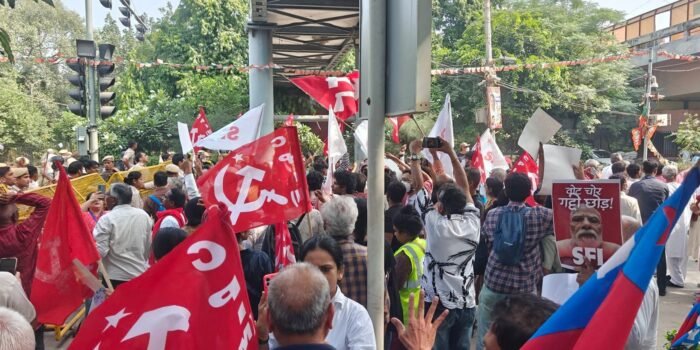
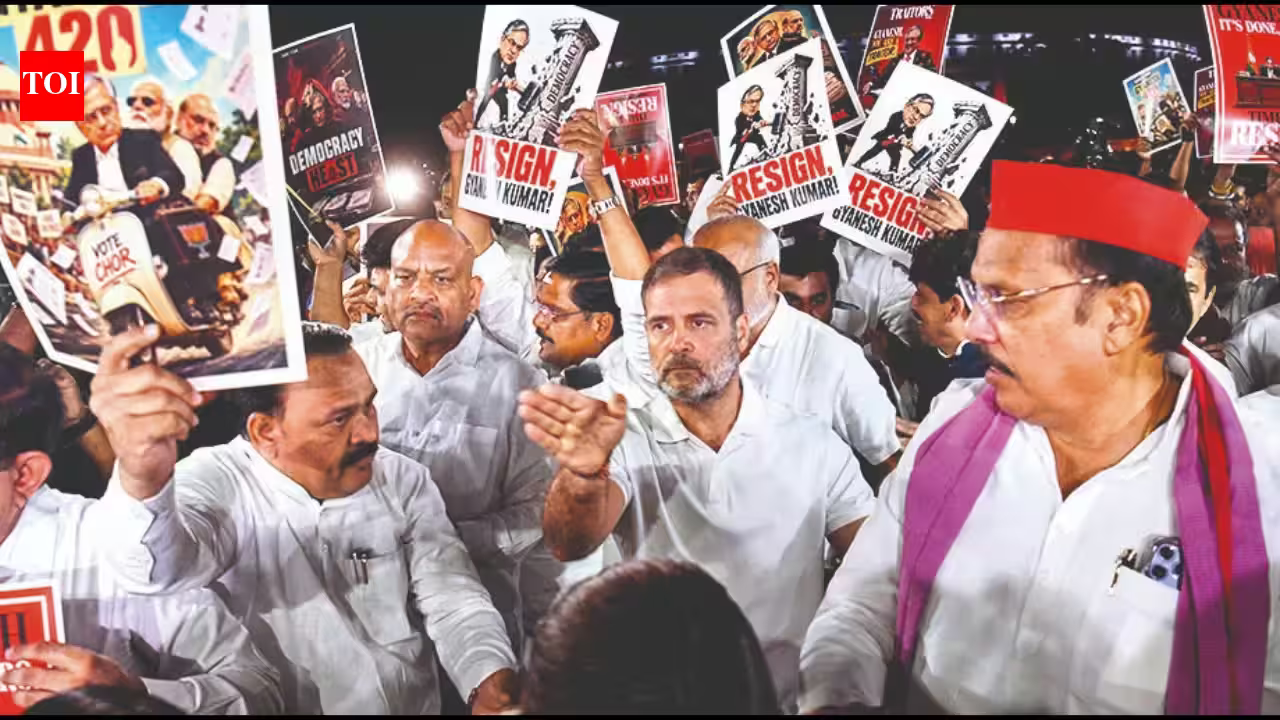
NEW DELHI: The national capital is bracing for a high-intensity political face-off as the Congress party prepares for its “March for Democracy – Dilli Chalo” protest on Monday. The mobilization follows a turbulent weekend of diplomatic and political maneuvering, marked by the party’s failed attempt to secure a formal audience with Chief Justice of India Surya Kant regarding the ongoing SIR-CEC controversy.
While the Congress leadership had initially signaled that a meeting with the CJI was on the horizon, reports late Sunday confirmed that the request for an appointment had been declined. Despite this setback, party insiders indicate that the Congress brass intends to reiterate its plea for a meeting, underscoring the gravity of their concerns regarding the state of democratic institutions.
A Mobilization of National Proportions
The call to action has triggered a massive logistical effort from the All India Congress Committee (AICC). General Secretary KC Venugopal has mobilized party units across various states, with leadership from Haryana, Uttarakhand, and Rajasthan actively directing cadres to converge on the capital. The demonstration is set to commence from Barakhambha Road, with party leaders urging citizens, opposition allies, and civil society members to join the ranks.
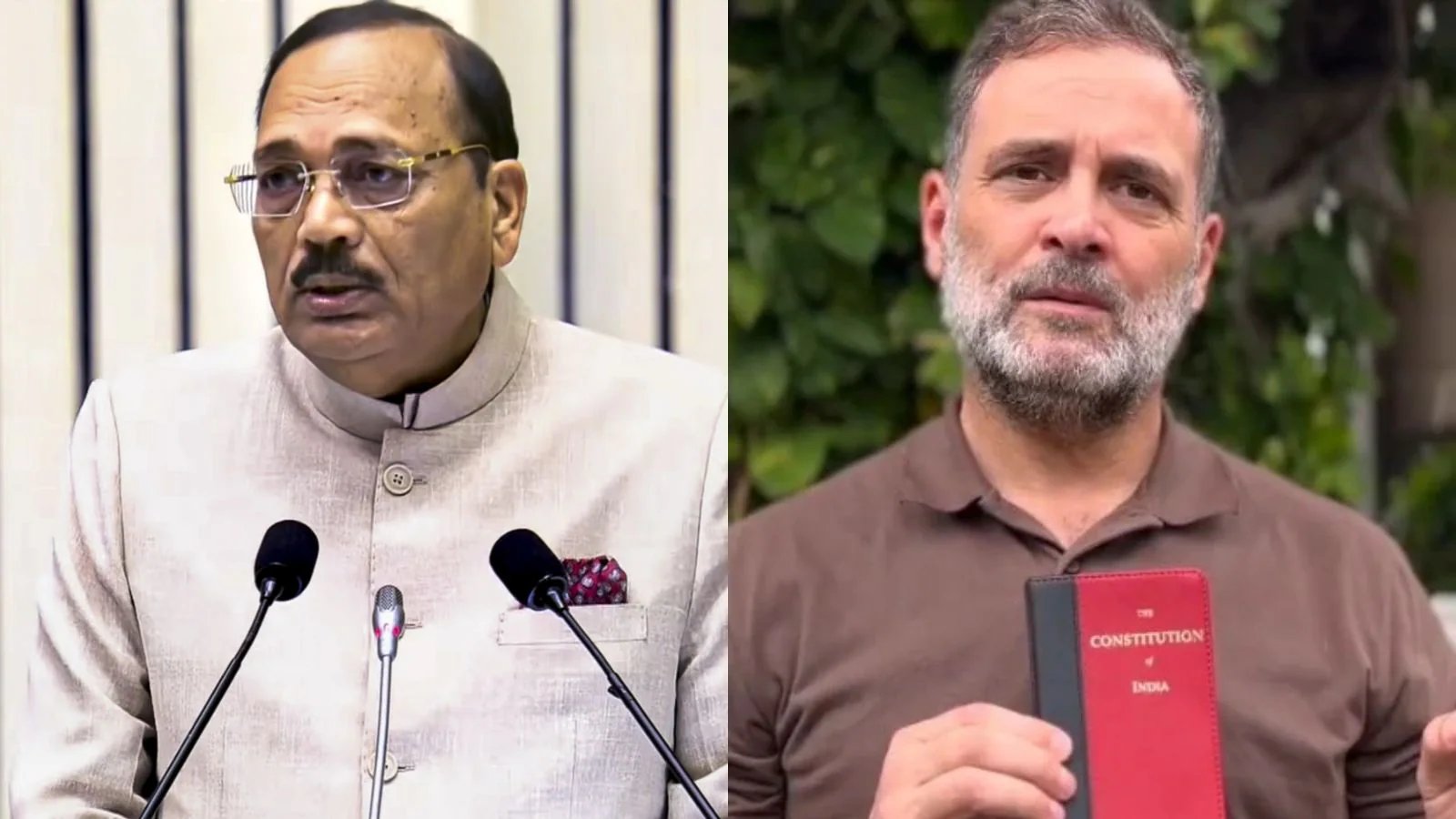
Rahul Gandhi, who cut short a campaign tour in Goa to spearhead the protest efforts, has framed the agitation as a critical stand against the current administration. In a spirited appeal on social media, Gandhi asserted that the collective voice of the nation would not be suppressed by the ruling establishment, pointedly naming top government figures and ideological leaders as those attempting to stifle dissent.
Tensions Over Police Crackdown
The rhetoric from the Congress leadership has reached a fever pitch, with party president Mallikarjun Kharge drawing sharp parallels between the current situation in Delhi and the Emergency era. Kharge expressed profound condemnation regarding the alleged police crackdown on protesters, characterizing the current administrative approach as an unprecedented assault on the right to dissent.
“We intend to apprise the CJI of the deteriorating situation,” Kharge stated in a recent briefing. “While we recognize the constitutional boundaries of our request, we feel compelled to place our grievances before the apex court with folded hands, hoping for judicial intervention to preserve the sanctity of our democratic processes.”
The memorandum intended for the CJI reportedly contains detailed documentation of the police action against protesters, as well as accounts of alleged harassment faced by activists at the hands of vigilante groups.
The Road Ahead
As the “Dilli Chalo” march approaches, the central government remains under scrutiny from the opposition, which alleges that the state is weaponizing its machinery to silence political rivals. For the Congress, Monday’s demonstration is not merely about the specific legal issues surrounding the SIR-CEC matter, but a broader symbolic assertion against what they term as systemic authoritarianism.
With heavy security deployments anticipated across the capital, the coming hours are critical. Whether the Congress succeeds in securing its high-level meeting or finds itself embroiled in yet another confrontation with security forces, the event marks a significant escalation in the ongoing friction between the grand old party and the Modi-led government.
Disclaimer: This content is auto-generated for informational purposes only.
Source: Read Original News