








Peaceful Advocacy for Khalistan Is Not the Problem, Says Indian Envoy to Canada
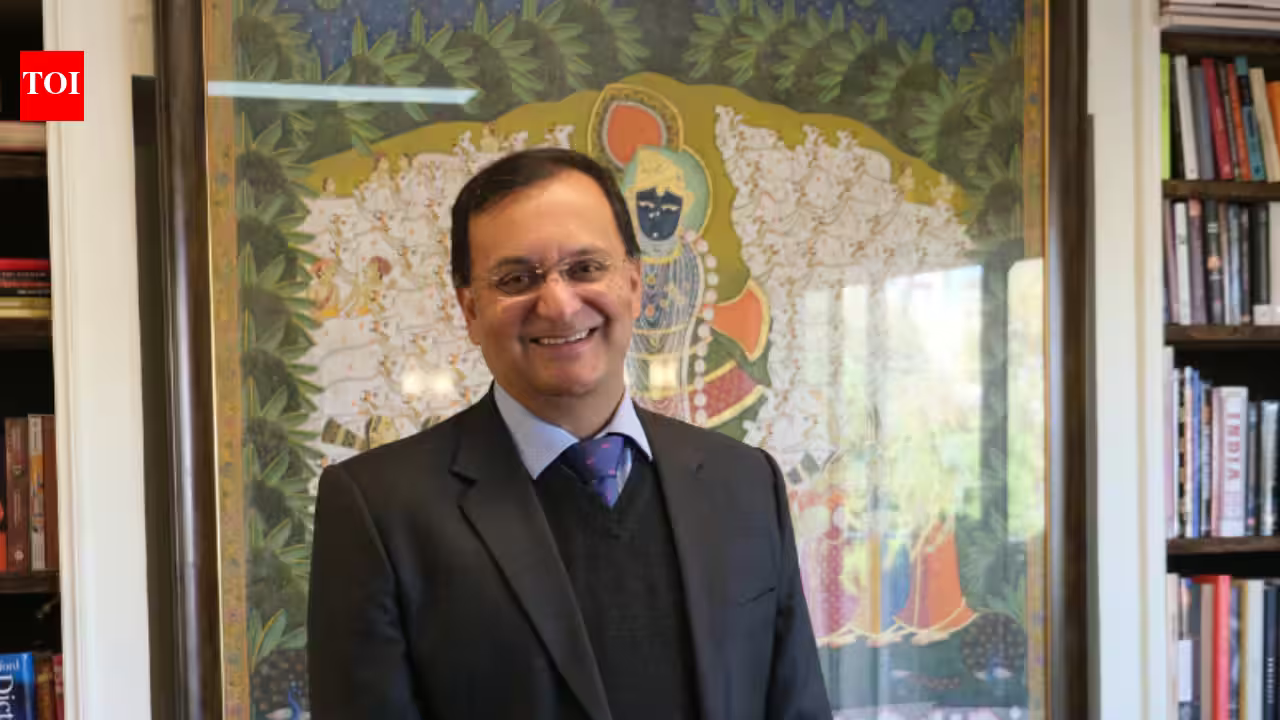
India’s High Commissioner to Canada, Dinesh Patnaik, has clarified New Delhi’s stance on the long-standing tensions surrounding the Khalistan separatist movement. In a recent interview, the diplomat emphasized that the Indian government holds no grievance against individuals who choose to peacefully advocate for a separate homeland. The remarks come at a sensitive time as Canada prepares for an upcoming “Khalistan referendum” scheduled to take place in Alberta later this month.
Drawing the Line Between Speech and Crime
Patnaik stressed that the core issue is not the expression of political belief, but the methods and ideologies that often shadow separatist demonstrations. He noted that India has a democratic history where various political groups have advocated for different causes over the decades.
“Politically, we have zero problem,” Patnaik stated, clarifying that the Indian government respects the democratic right to protest. However, he drew a firm line regarding the infiltration of illicit activities into these movements. The High Commissioner pointedly urged Canadian authorities to recognize that the negative elements associated with these protests—such as organized crime, extortion, and the promotion of violence—are domestic challenges occurring within Canadian borders.
“What we say is, don’t bring in negativity, filth, terrorist elements, gun-running, organized crime, and extortion into it,” he added. Patnaik specifically criticized the glorification of violence, asserting that protests should not involve displays celebrating the assassinations of Indian leaders.
A Diplomatic Reset
The High Commissioner’s remarks arrive during a period of relative calm following a significant period of diplomatic friction. Relations between Ottawa and New Delhi were severely strained in 2023 following the killing of a Khalistani separatist in British Columbia, an incident that led to a sharp deterioration in bilateral ties and reciprocal diplomatic expulsions.
However, recent months have seen a concerted effort from both nations to reset the relationship. The two countries are now actively engaged in discussions regarding a potential landmark trade agreement, signaling a pivot back toward economic and strategic cooperation.
Strengthening Security Ties
Beyond economic interests, the security relationship between the two nations appears to be on an upward trajectory. During recent rounds of security dialogues, officials from India and Canada reached a consensus on deepening intelligence sharing and operational coordination to address shared threats.
Both nations have committed to a more rigorous approach in combating organized crime, international terrorism, and extremism. By aligning their security agendas, India and Canada aim to move past the confrontations of the last year and foster a more stable partnership.
Patnaik’s latest comments serve as a reminder that while India remains open to diplomatic and political discourse, it maintains a zero-tolerance policy toward any movement that facilitates extremism or undermines the sovereignty of the state through criminal enterprise. As the scheduled referendum in Alberta approaches, the Indian government’s stance remains clear: advocacy is a protected right, but the intersection of separatism with violence and criminality remains a non-negotiable red line for New Delhi.
Disclaimer: This content is auto-generated for informational purposes only.
Source: Read Original News