








The landscape of mobile text input has been significantly altered by the release of the Pixel 11 series and its headline feature: Rambler. This sophisticated voice-to-text integration leverages generative AI to redefine how users interact with their devices through speech. By shifting from literal transcription to contextual interpretation, Rambler offers a glimpse into the future of natural language processing on mobile platforms. However, its initial exclusivity to Google’s latest hardware has sparked community interest in bringing this technology to the broader Android ecosystem.
The Mechanics of Rambler AI Voice-to-Text
Traditional voice-to-text systems operate primarily on a word-for-word basis, which frequently results in raw transcripts laden with filler words, pauses, and grammatical errors. Rambler deviates from this model by acting as an intelligent intermediary between the user and the text field. When a user speaks, the audio is processed through an AI model designed to synthesize intent rather than just transcribing phonemes.
The engine actively cleans the input, removing hesitations such as “um” or “uh” and discarding repetitive phrasing. Beyond simple cleanup, Rambler applies real-time grammatical structuring and punctuation, resulting in a cohesive paragraph that reflects the tone and structure of written communication. This transition from dictation to assisted composition removes the burden of manual editing, allowing users to produce polished messages, notes, and emails with minimal post-processing.
PixelBoard: Bridging the Exclusivity Gap
Despite the utility of Rambler, its availability remains restricted to the Pixel 11 and the proprietary Googlebook hardware. This restriction prompted independent developers to examine the software foundation of Gboard to determine if the functionality could be accessed on non-Pixel devices. The result is a project known as PixelBoard.
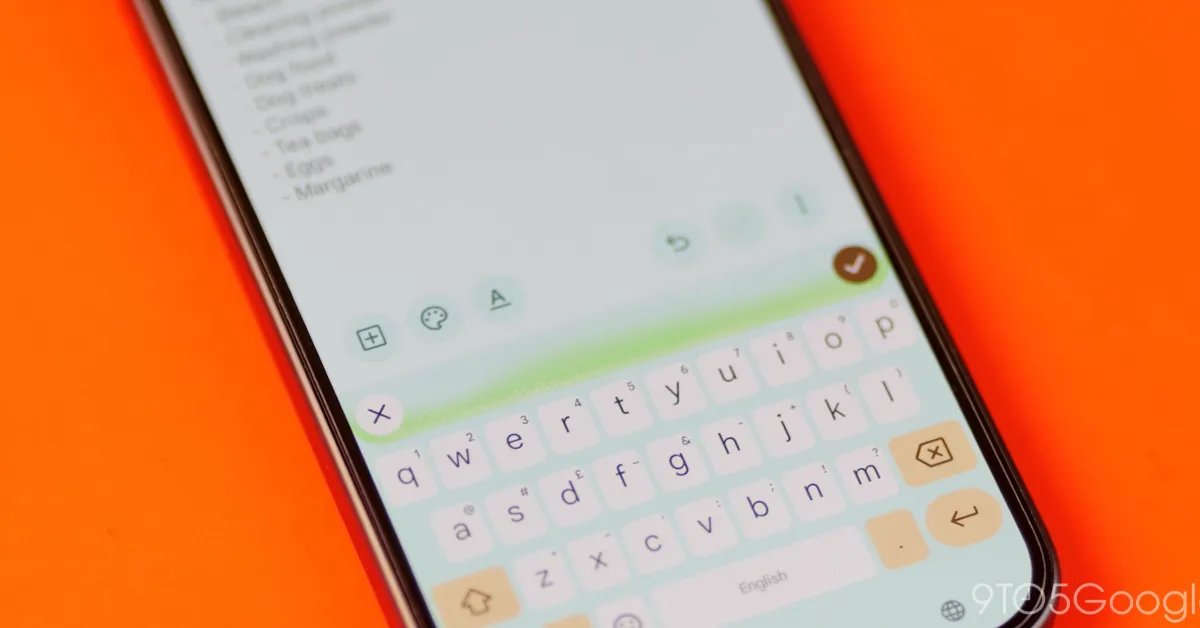
PixelBoard is a modified fork of the Gboard application. By isolating the specific modules responsible for the Rambler integration, developers have created a version of the keyboard that can be deployed across a wide range of Android smartphones. This project effectively bypasses the hardware-locked software gates imposed by the manufacturer. Users can install PixelBoard either through direct sideloading of the modified APK or by applying a patch to their existing Gboard installation, a method that requires a higher level of technical familiarity with the Android operating system.
The Risks and Realities of Sideloading
While the allure of accessing premium AI tools on non-supported hardware is significant, the practice of sideloading carries inherent security and stability risks. Modified applications often lack the official signature verification provided by the Google Play Store, meaning users must trust the integrity of the third-party developer.
Installing PixelBoard involves granting a keyboard application extensive permissions, including access to text input, which is a sensitive data point. For users who prioritize privacy and system stability, the risks associated with installing unverified, modified system apps may outweigh the benefits of the Rambler feature. Furthermore, because these tools operate outside the official ecosystem, they may break during future OS updates or conflict with system-level security patches. While reports indicate successful implementation on devices like the Galaxy Z Fold 8, individual results depend heavily on the specific Android version and device configuration.
Use-Cases and Practical Applications
The impact of Rambler on mobile productivity is most apparent in high-volume text environments. For professionals who manage communication while on the move, the ability to produce coherent, professionally formatted text through voice is a substantial time-saver. Because the AI manages the structure of the sentences, users can focus on their message content rather than the mechanics of punctuation and grammar.
In creative scenarios, Rambler acts as a voice-to-drafting tool. Instead of typing out thoughts, a user can “speak” a draft for a project, with the AI ensuring that the output is legible and organized. This minimizes the friction between verbal thought and digital text, serving as a powerful tool for those with physical limitations or those who simply find speech more efficient than touch-based typing. As the technology matures, it is likely to influence how users approach long-form composition on mobile hardware.
The Future of AI Input on Android
The development of PixelBoard highlights a growing trend where users seek to democratize AI features that were previously restricted by corporate hardware strategies. Whether Google will eventually expand official support for Rambler to other Android devices remains to be seen. Historically, exclusive features often undergo a period of exclusivity before becoming standard across the Android platform.
Until such a transition occurs, the community-led modification movement will continue to fill the void. For those who prefer to avoid the security risks associated with modified apps, alternatives such as Microsoft’s SwiftKey provide integrated AI features that offer comparable, though distinct, advantages in voice-to-text and predictive editing. The push-and-pull between official exclusivity and community-driven modification remains a defining characteristic of the Android ecosystem, ensuring that cutting-edge features eventually find their way to a wider audience, even if the path taken is not the one originally intended by the manufacturers.
Disclaimer: This content is auto-generated for informational purposes only.
Source: Read Original News