









The Evolution of the Living Room Hub
The smart streaming hardware market currently occupies a fragmented space defined by trade-offs. Consumers often find themselves choosing between generic Android-based boxes that provide raw hardware performance but suffer from software instability and inconsistent codec support, or proprietary ecosystems that offer polished interfaces but tighter restrictions. While budget-friendly streaming sticks dominate the mass market, they frequently face criticism for operating system limitations and increasing platform lock-in.
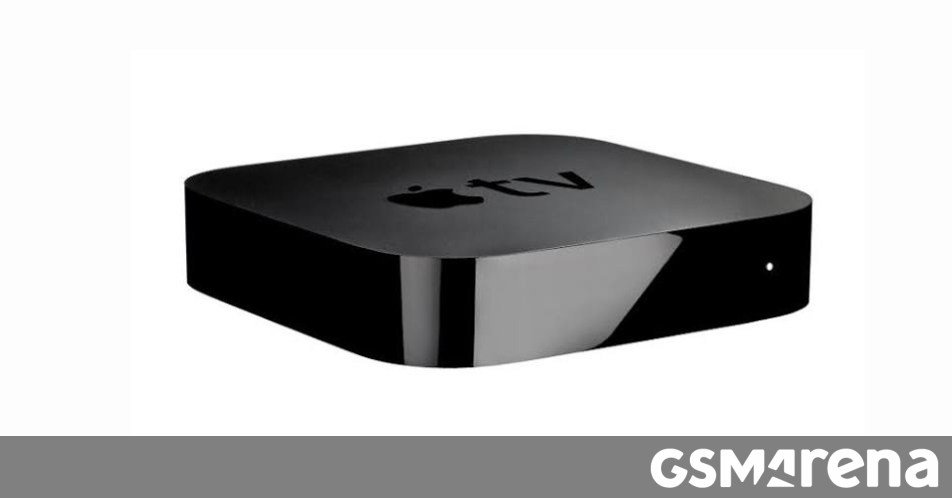
For power users, the conversation has historically narrowed to two primary choices: the long-standing Nvidia Shield TV Pro, which remains a performance benchmark despite its 2019 architecture, and the Apple TV 4K series. Apple’s persistent focus on a unified hardware-software experience has kept its streaming devices at the forefront of the premium segment. However, even the most robust ecosystems must eventually contend with hardware aging. This transition point was recently underscored by Apple officially designating the original 2017 Apple TV 4K as a “vintage” product, signaling a clear shift in the company’s product lifecycle and foreshadowing an imminent hardware refresh.
Understanding the Vintage Designation
In the internal lexicon used by Apple for support and logistics, the “vintage” label is a critical milestone. It denotes that more than five years have passed since the company last distributed the product for retail sale. This classification serves as a formal notice to consumers that parts and authorized service support are becoming increasingly scarce. When a product moves from vintage to the “obsolete” category—which occurs seven years after the end of retail distribution—Apple discontinues all hardware service, and service providers can no longer order parts for the device.
For the 2017 Apple TV 4K, this transition is more than a administrative change; it is a clear indicator that the first-generation 4K model has reached the end of its intended support window. While existing units will continue to function for streaming media, the internal components are now considered legacy architecture. This change is strategically timed with Apple’s upcoming October 13 product event, where the company is expected to debut new smart home hardware. By cycling out the 2017 model, Apple clears the path for a modern successor, ensuring that its catalog reflects current standards in processing power, memory, and connectivity.
Impact on Existing Device Owners
If you currently rely on a 2017 Apple TV 4K for your daily media consumption, the designation of vintage status does not necessarily mean the device will stop functioning. The operating system, tvOS, continues to support older hardware for a considerable period, provided the device can handle the processing overhead of new features. Users can expect continued access to major streaming platforms and existing content libraries.
However, the primary concern for owners is physical maintenance and potential hardware failure. Since authorized service centers may struggle to source components for vintage hardware, a simple repair—such as a power supply issue or a damaged internal component—could effectively render the device irreparable. For users currently utilizing these units, it is a prudent moment to evaluate whether the device still meets current demands. If an existing unit is already experiencing performance degradation, it is advisable to seek official service immediately or begin planning for a transition to the upcoming hardware generation, rather than waiting for a complete system failure.
Predicting the Next Generation of Hardware
The market expectation for the upcoming October 13 event centers on a significant upgrade to the Apple TV platform. Industry analysts suggest that the new iteration will move beyond minor spec bumps, focusing instead on deeper integration with the broader Apple smart home ecosystem. As Apple continues to push its “Home” strategy, the new streaming box is expected to serve as a more capable HomeKit and Matter hub, centralizing device management, automation, and high-fidelity media distribution.
Technically, users should anticipate a shift toward improved silicon, likely derived from recent A-series chips. This would enable faster navigation, reduced latency, and the overhead required for more advanced gaming or interactive experiences. Furthermore, improved Wi-Fi standards and potentially enhanced support for next-generation HDR formats and spatial audio processing are likely candidates for the new hardware’s feature set. The move to retire the 2017 model suggests that the company is confident its new offering will provide a substantial enough performance leap to justify a transition for even the most loyal users of the first 4K iteration.
The Future of Media Streaming Devices
The broader landscape of streaming hardware is shifting from simple content delivery to comprehensive smart home orchestration. The upcoming Apple hardware release represents a wider trend where the streaming box is no longer just a conduit for Netflix or YouTube, but the “brain” of the home. This requires a robust balance of thermal management, processing efficiency, and long-term software support.
By officially transitioning the 2017 model to vintage status, Apple is reinforcing the importance of its hardware lifecycle. This ensures that the user experience does not become hampered by the limitations of seven-year-old hardware. As consumers move toward higher resolution, high-frame-rate content, and complex smart home interactions, the hardware must evolve to keep pace. The obsolescence of the first 4K model acts as a reminder that even the most successful technology must eventually give way to advancements in silicon and efficiency. Owners of older equipment are now faced with a clear choice: continue with current hardware until it is no longer viable, or prepare for the next step in the evolution of the living room entertainment center.
Disclaimer: This content is auto-generated for informational purposes only.
Source: Read Original News