








The Anatomy of Inflation: Understanding the September Surge
The Indian economy is navigating a complex macroeconomic environment characterized by a significant uptick in consumer prices. According to recent data from the Ministry of Statistics and Programme Implementation, retail inflation reached 5.54 percent in September, up from 4.83 percent in August. This development has brought inflation dangerously close to the Reserve Bank of India’s (RBI) upper tolerance threshold of 6 percent. While the government and central bank have long aimed for a target of 4 percent, the recent figures underscore the volatility inherent in food-driven price cycles.
This surge is largely attributed to a sharp acceleration in the food basket, which saw inflation climb to 7.74 percent. The nature of this rise is multifaceted, involving supply chain bottlenecks, seasonal production cycles, and shifts in consumer demand. Analyzing these figures requires a granular look at the components driving the index. Specifically, the headline inflation figure mask a high degree of heterogeneity, where items such as onions, ginger, and garlic have seen triple-digit or near-triple-digit inflationary pressures, while other essential commodities like tomatoes and potatoes have seen price corrections. This divergence suggests that current inflationary trends are driven more by supply-side shocks in specific agricultural segments rather than a generalized, economy-wide demand pull.
Rural Versus Urban Disparities in Price Pressures
One of the most concerning aspects of the September inflation report is the widening gap between rural and urban price indices. Rural retail inflation spiked to 6.08 percent, significantly outpacing the urban inflation rate of 4.88 percent. This disparity is primarily fueled by a rural food inflation rate of 8.06 percent, compared to 7.18 percent in urban areas.
In the Indian context, rural households typically allocate a larger share of their total expenditure toward food and essential goods. Consequently, when food inflation surges, the real purchasing power of the rural population is disproportionately affected. This trend poses a challenge for fast-moving consumer goods (FMCG) companies that have been betting on a rural recovery to drive volume growth. High inflation effectively acts as a tax on rural consumption, potentially hindering the momentum of discretionary spending in these regions. While urban areas face their own challenges—such as higher costs for services like dining out and personal care—the intensity of the price rise in the countryside suggests that agricultural supply chain inefficiencies are currently the primary bottleneck for economic stability.
The Volatility of the Vegetable Basket
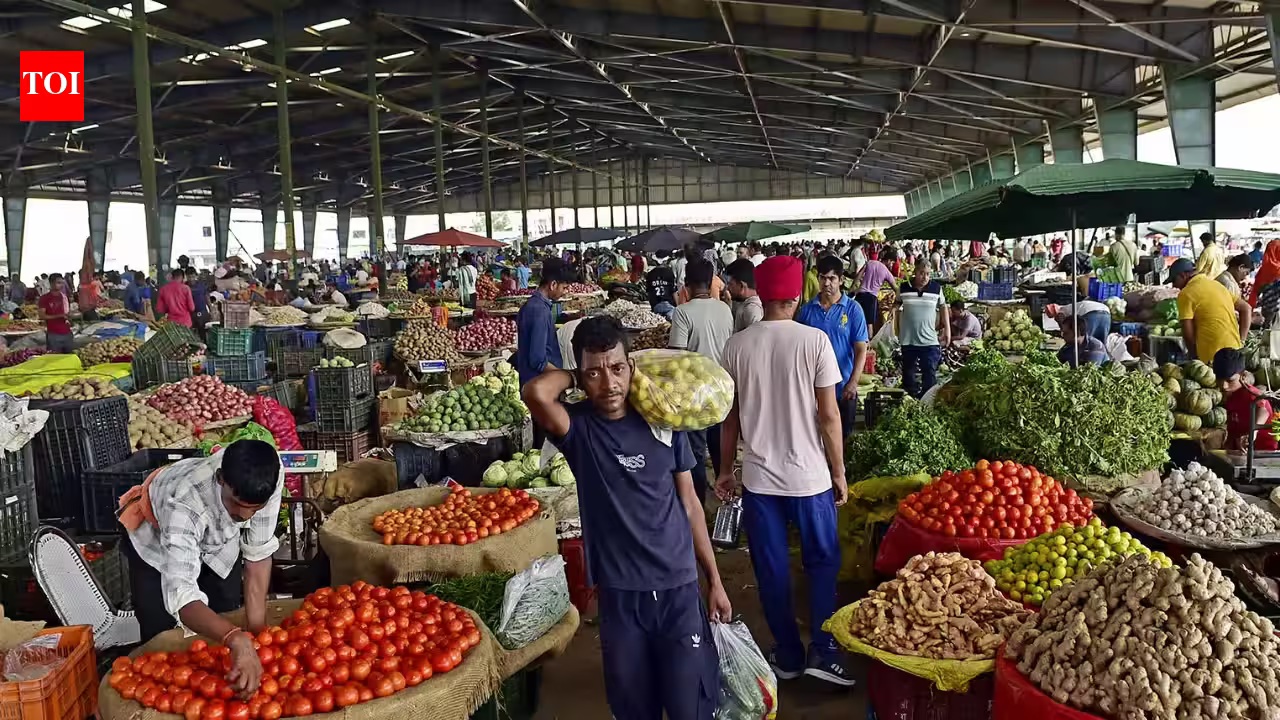
The September data highlights the structural vulnerability of the Indian retail price index to the vegetable basket. The price hike in onions—which saw inflation surge to over 108 percent—serves as a reminder of how quickly agricultural output fluctuations can destabilize the national economy. Similarly, garlic and ginger have contributed to the upward trajectory of the headline number.
The volatility seen in these specific items is rarely the result of a single factor. Instead, it is the product of fragmented supply chains, the lack of robust cold-storage infrastructure, and unpredictable weather patterns that disrupt harvesting cycles. From a business perspective, these spikes create uncertainty for businesses operating in the hospitality and food processing sectors. Restaurants, which already reported a 9.36 percent rise in services inflation, must balance the need to absorb these costs with the risk of losing price-sensitive customers. The 13.75 percent increase in the personal care and miscellaneous goods category further suggests that inflation is beginning to permeate sectors that are highly sensitive to discretionary income. When the cost of daily essentials rises sharply, consumers invariably pull back on non-essential expenditures, creating a ripple effect across the broader retail and service landscapes.
Macroeconomic Policy and the RBI Stance
The Reserve Bank of India faces a delicate balancing act in the wake of these figures. With inflation trending toward the 6 percent upper limit, the possibility of a rate cut in the near term has diminished. The central bank must remain vigilant, as persistent food inflation can often translate into core inflation if it influences long-term inflation expectations.
In India, the monetary policy committee is constrained by the need to support economic growth while simultaneously maintaining price stability. The recent jump in inflation suggests that liquidity management and supply-side intervention may be more effective tools than interest rate adjustments alone. If food inflation remains elevated due to structural supply issues, raising interest rates could potentially stifle growth without adequately addressing the root causes of the price rise. Businesses should anticipate a “higher-for-longer” interest rate environment, which impacts the cost of capital for expansion and working capital management. Corporate strategy in this context must prioritize operational efficiency and lean inventory management to buffer against the volatility of commodity prices.
Geographic Variability and Regional Economic Impact
Inflationary pressure is not uniform across the Indian subcontinent. The September data reveals that states like Puducherry, Tamil Nadu, Odisha, Madhya Pradesh, and Telangana are experiencing the highest inflationary stress, all trending above 6.6 percent. This geographic concentration suggests that localized supply chain disruptions, monsoon-related agricultural delays, or state-specific logistical challenges are playing a major role in regional price variations.
For businesses with national footprints, this variability necessitates a localized approach to pricing and distribution. A one-size-fits-all strategy that works in one state may fail in another where food prices are significantly higher. Companies must utilize data-driven insights to adjust their regional supply chains and pricing models to match the purchasing power and inflation conditions of each state. As the next CPI release approaches in November, stakeholders should focus on whether these regional spikes subside or if they indicate a more persistent shift in the costs of logistics and agricultural trade within these specific territories.
Strategic Outlook for Indian Markets
The current inflationary environment serves as a stress test for the Indian retail and consumer goods market. While the 5.54 percent headline figure remains within the RBI’s broader target band, the underlying components—particularly the high food inflation in rural India—present risks to consumption-led growth. Businesses must adopt a cautious outlook, focusing on cost-containment strategies and supply chain resilience.
Looking ahead, the stability of the Indian market will depend on the government’s ability to manage the supply of essential commodities and the effectiveness of current fiscal policies in controlling secondary price increases. The discrepancy between rising costs in the personal care and restaurant sectors and falling prices in specific agricultural segments like tomatoes and potatoes indicates that the economy is adjusting to a shifting landscape. Navigating this environment will require agility, deep analytical capability regarding supply chain trends, and a disciplined approach to managing margins amid high input volatility. As India continues to integrate into global supply chains, the ability to insulate the domestic market from these specific food-price shocks will be a defining factor in maintaining macroeconomic health and fostering sustained private investment.
Disclaimer: This content is auto-generated for informational purposes only.
Source: Read Original News