








Tensions in the Guadalajara Metropolitan Area reached a boiling point on Oct. 11 as a massive demonstration demanding clean drinking water descended into violence. What began as a peaceful march by tens of thousands of residents concerned about the safety of their water supply concluded with clashes, leading to 39 arrests and dozens of injuries.
The fallout from the protest has drawn national attention, prompting President Claudia Sheinbaum to demand clarity from state officials regarding the police response. As the city grapples with this public health crisis, the confrontation has highlighted a widening gap between residents’ daily realities and the government’s attempts to manage a failing infrastructure.
A City Under Pressure: Public Health and Infrastructure
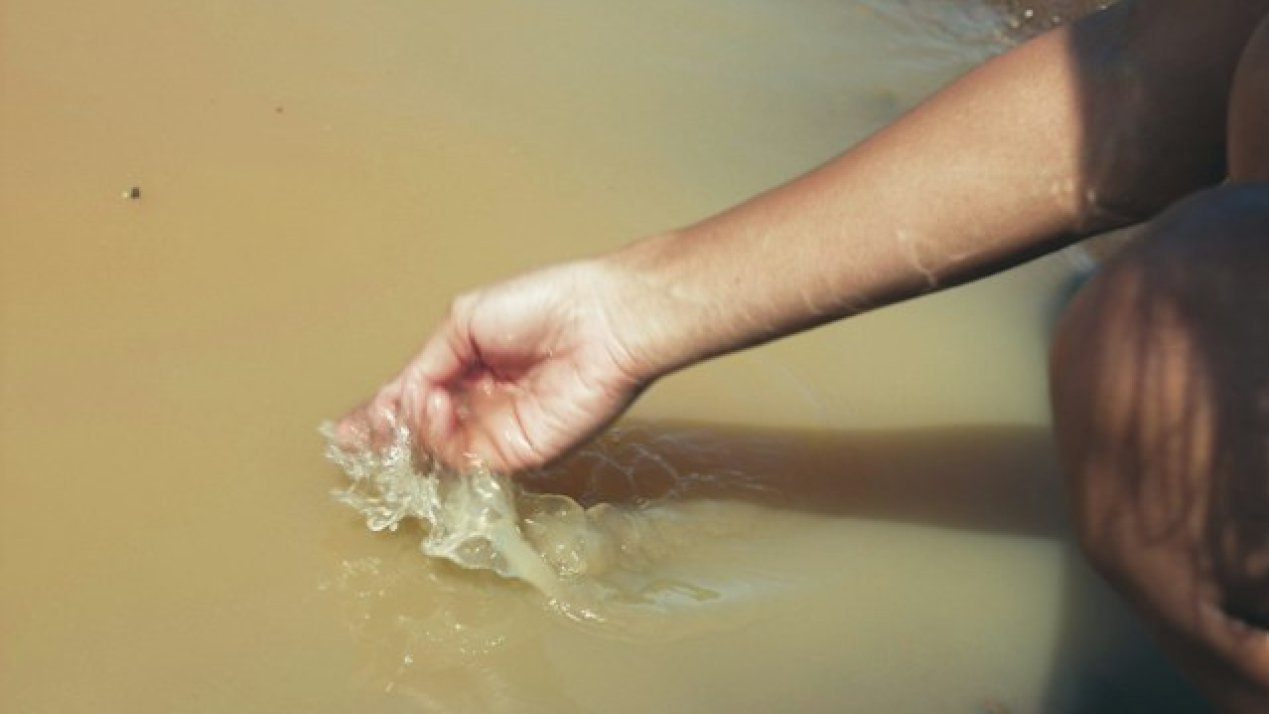
For months, residents across Guadalajara have reported that their tap water is unusable. The water often arrives with visible sediment, foul odors, and disturbing discolorations, forcing families to rely on bottled water for basic needs like cooking and bathing. Guadalajara Governor Pablo Lemus has admitted the city is facing a crisis “like never before,” a sentiment echoed by the Intermunicipal Water and Sewerage System (SIAPA), which acknowledged a severe decline in water quality since late 2025.
The crisis is supported by chilling data from the Mexican Institute for Community Development (IMDEC). Their recent study, which analyzed 184 samples across 90 neighborhoods, found that water quality regularly violates national safety standards. Beyond dangerous levels of lead and aluminum, the study discovered mercury concentrations up to 500 times the legal limit, as well as the presence of E. coli bacteria in several municipalities. The health toll is becoming increasingly evident: over half of the surveyed families reported that at least one household member suffered from skin issues, gastrointestinal illness, or eye infections attributed to the contaminated supply.
Political Friction and the Question of Privatization
The unrest has put pressure on the federal government to intervene. President Sheinbaum, speaking during her morning press conference, sharply criticized the state’s handling of the protests. “One thing is to contain, and another is to repress,” she stated, emphasizing that her administration does not support the heavy-handed tactics used against citizens. Sheinbaum has demanded that state authorities account for the detention of the 39 protesters and provide transparency regarding their identities.
A core point of contention remains the financial future of the city’s water services. Governor Lemus has floated a financing model—similar to those used for toll highways—that could lead to the private operation of the municipal water system. While state officials see this as a necessary path to secure funding for critical repairs, the federal government and opposition lawmakers in the Jalisco Congress are resisting the move. Federal authorities are currently seeking alternative mechanisms to address the infrastructure shortfall without handing control to private entities.
Technology and Transparency in Crisis Management
While the situation remains volatile, there is a growing push for the integration of better monitoring and data-driven solutions to manage the crisis. In the tech sector, data transparency and real-time monitoring platforms are becoming essential tools for citizens to track environmental hazards. As the public loses trust in official water reports, independent monitoring—like the IMDEC study—is becoming a vital source of truth.
Digital platforms and local mapping tools are proving critical for residents trying to navigate the contamination spread. By leveraging open-source data and community-led reporting, civil society groups are bypassing traditional communication bottlenecks. As the city looks for a way out of the crisis, experts suggest that an AI-driven, transparent monitoring system could help detect contamination outbreaks in real-time. Until then, however, the primary demand from the streets of Guadalajara remains simple: a basic human right to clean, safe, and reliable water.
Disclaimer: This content is auto-generated for informational purposes only.
Source: Read Original News