









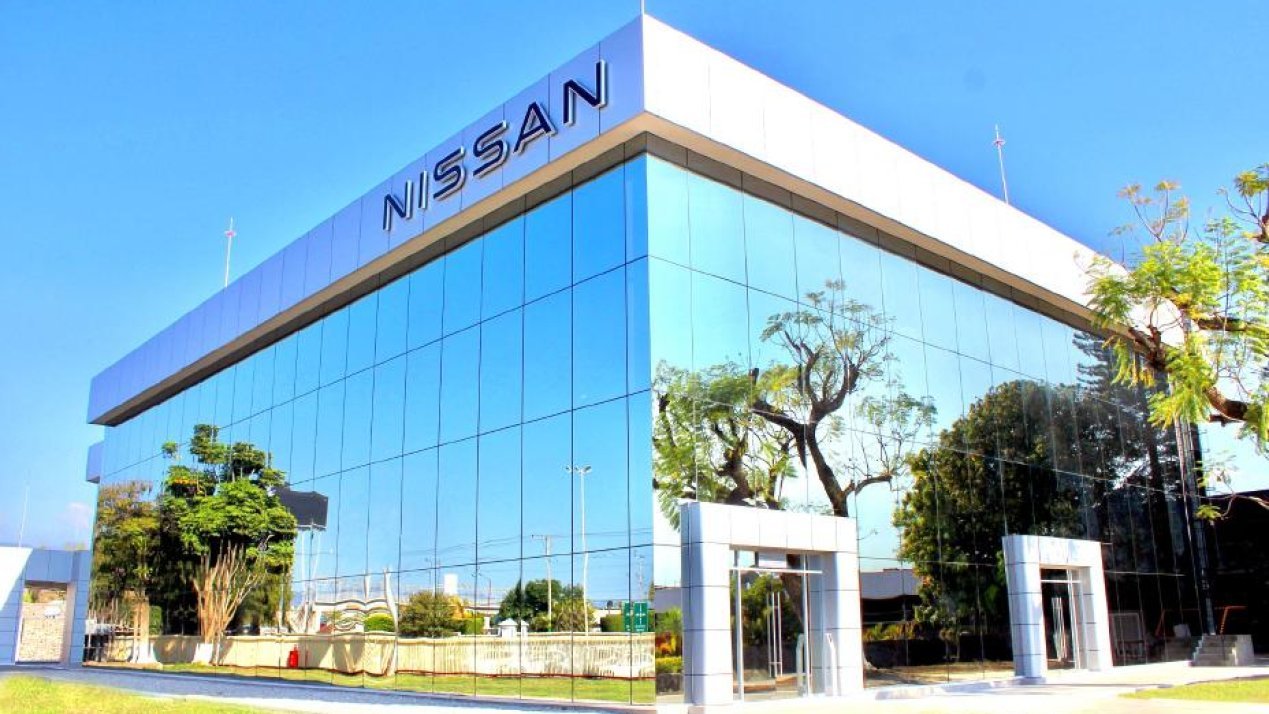
Morelos’s industrial sector is grappling with a severe economic downturn, recording a 16% year-over-year contraction during the first half of 2026. The decline, which saw manufacturing output plummet by 25.3% in June alone, has been heavily attributed to the closure of Nissan’s historic Civac facility in Jiutepec. As regional stakeholders scramble to stabilize the economy, the crisis serves as a stark reminder of the vulnerability of manufacturing hubs reliant on a single corporate anchor.
The Ripple Effect of Nissan’s Strategic Overhaul
The industrial landscape of Morelos changed dramatically on March 27, 2026, when Nissan officially shuttered its Civac plant. This move was part of a broader corporate restructuring strategy intended to centralize the automaker’s manufacturing footprint in Aguascalientes. While official government data from INEGI tracks the decline in industrial activity, economists like Héctor Magaña note that quantifying the exact percentage of the collapse directly tied to Nissan is difficult. However, the timing and scale of the downturn strongly suggest a systemic shock.
The immediate fallout has been substantial. The closure resulted in the loss of 2,500 direct jobs, a figure that surges to 5,000 when accounting for the cascading impact on local suppliers, logistics providers, and maintenance crews. This disruption to the B2B ecosystem has led to reduced consumer spending, further depressing the local economy beyond the factory floor.
Proposed Solutions and the Digital Pivot
In response to the crisis, the Association of Industrialists and Businesses of the State of Morelos (Adiem) has issued a call for urgent, multi-sector intervention. Adiem President Eduardo Aguilar is pushing for a three-pronged legislative strategy to restore regional competitiveness, which currently ranks 29th out of 32 states according to the Mexican Institute for Competitiveness (IMCO).
The proposed remedies include a 0.5% reduction in state payroll taxes to ease the burden on employers and the establishment of formal labor-management pacts designed to minimize strikes. Perhaps most significantly, the proposal highlights the need for a digital transformation of regional bureaucracy. By accelerating the transition to digitized government services, the state aims to reduce operational costs for companies and mitigate the risks of administrative corruption—a move that mirrors global trends toward smarter, tech-enabled governance.
Modernizing Industry Amid National Disparity
The struggle in Morelos highlights a broader, troubling trend across Mexico, where 18 states recorded industrial declines during the first half of 2026. While some regions, like Hidalgo and Colima, have seen growth, the national outlook remains uneven. Analysts suggest that simply attracting foreign capital is no longer enough; states must focus on long-term, sustainable integration into high-value supply chains.
Tech-driven solutions and digitalization are increasingly viewed as the standard for improving industrial resilience. As regional leaders look toward replacing the lost output from the Nissan closure—highlighted by the recent arrival of Japanese refrigeration firm Mayekawa—the reliance on data-driven policy will be critical. Moving forward, the ability of Morelos to recover will depend on its capacity to transition from a traditional manufacturing hub to a modernized industrial environment. This includes adopting advanced manufacturing standards and optimizing business processes through digital adoption, ensuring that when multinational corporations re-evaluate their global footprint, the state remains a competitive, efficient, and reliable destination for future investment. The path to recovery requires more than just filling job voids; it requires a systemic shift toward digital and bureaucratic agility that aligns with the requirements of a modern, interconnected global economy.
Disclaimer: This content is auto-generated for informational purposes only.
Source: Read Original News