








The Evolution of Sonic Racing: CrossWorlds
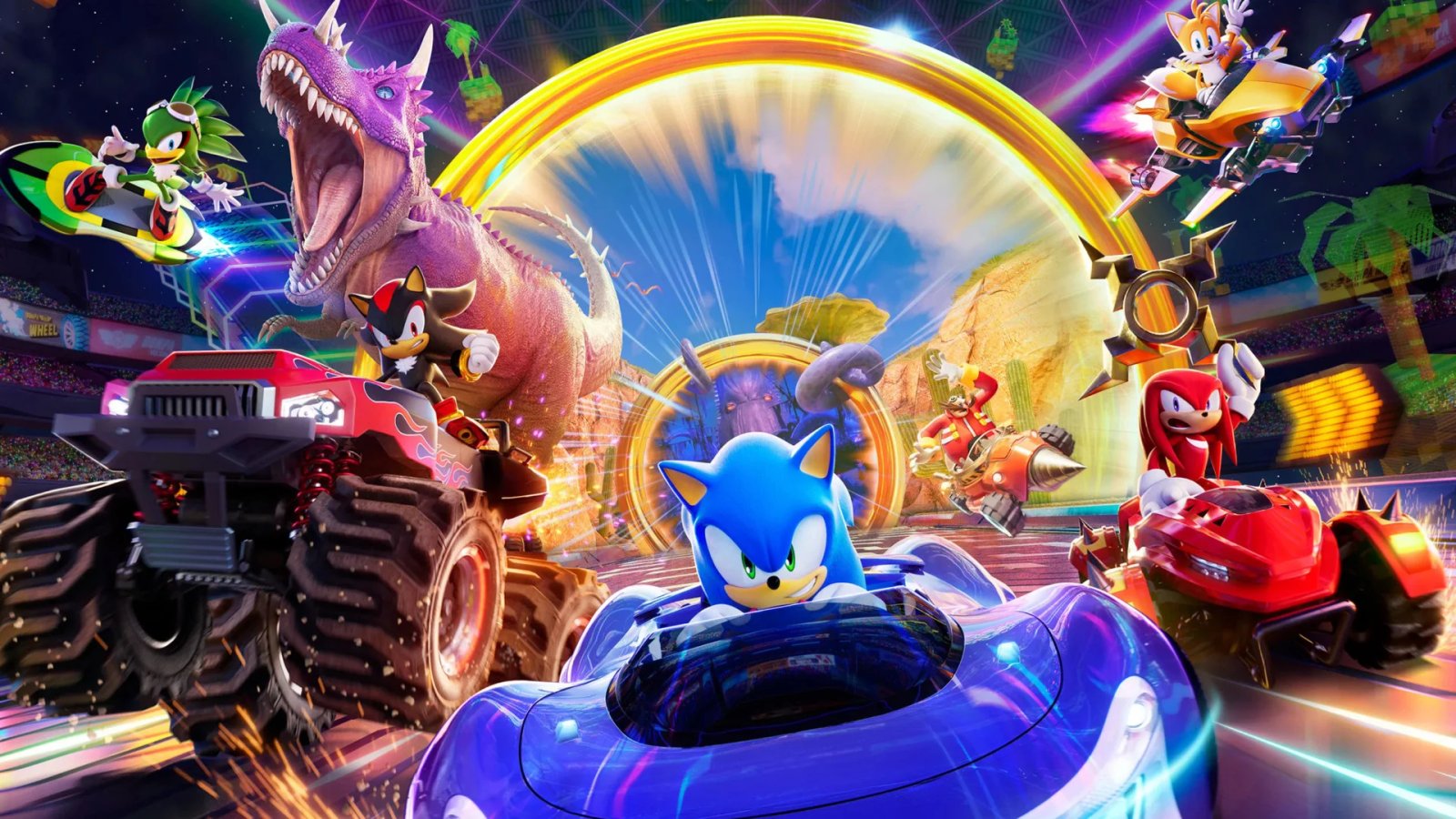
Sonic Racing: CrossWorlds launched in June 2025 with the ambitious goal of serving as a definitive hub for Sega’s massive portfolio of intellectual properties. Utilizing a robust engine designed to handle diverse character models and track aesthetics, the game established itself as a high-fidelity arcade racer. Its core appeal lies in the ability to bridge disparate universes, allowing iconic figures to compete on custom-built circuits. While the technical performance and graphical fidelity of the game have been praised by the community, the post-launch strategy has recently become a focal point of contention among its most dedicated users.
The game is structured as a live-service platform, relying on regular updates to maintain player retention. Throughout its first year, Sega introduced a steady stream of content, including new tracks, specialized character skins, and performance tweaks for the kart physics. However, the transition into the second year of support has triggered a significant debate regarding the interpretation of premium service agreements and the transparency of digital distribution models in modern gaming.
Year Two Roadmap and Crossover Content
Sega’s recently unveiled roadmap for year two, set to begin on November 3, 2026, promises a major expansion of the current roster and track library. The update is framed as a high-profile series of crossovers designed to broaden the game’s appeal beyond traditional Sega fans. The announced slate includes partnerships with renowned franchises such as Godzilla, Neon Genesis Evangelion, and a dedicated Midgar pack inspired by Final Fantasy VII. Additionally, developers have scheduled releases involving Virtual Sanrio Puroland and a content set titled Reload Revival Royal.
From a technical perspective, these packs represent a significant investment in asset creation. Each entry is slated to bring unique stage geometries that reflect the source material, as well as distinct character skins that require integration into the existing kart physics system. The expansion is priced at $40, a move intended to support the ongoing development costs of maintaining the server infrastructure and producing high-quality crossover assets. While the breadth of the collaboration is objectively impressive, the pricing model has created a friction point with users who believed their previous financial commitments already secured such content.
The Controversy Surrounding Deluxe Edition Promises
The primary source of dissatisfaction among the user base stems from a promotional message distributed during the pre-launch phase of the game in 2025. In its digital marketing campaigns for the Deluxe Edition, Sega explicitly stated that the purchase included “All future paid downloadable content.” At the time, this phrasing served as a primary selling point for users willing to pay the $100 entry price for the premium edition of the software.
Many players interpreted this promise as a lifetime guarantee for any non-base content released for the game. However, the reality of the year two rollout has introduced a discrepancy between consumer expectation and corporate policy. Sega is currently maintaining that the initial promise covered the intended lifecycle of the first year of content, but does not extend to the new series of collaborations. This has led to widespread criticism on digital platforms, with users pointing to the phrasing of the original advertisement as a failure in clarity and consumer protection. The result has been a series of community-managed “notes” on social media platforms, highlighting the gap between the Deluxe Edition’s advertised features and the current requirement for further payment.
Industry Trends in Post-Launch Monetization
The situation surrounding Sonic Racing: CrossWorlds is reflective of a broader trend within the gaming industry, where long-term support for titles is often funded through tiered expansion models. Developers increasingly rely on “game-as-a-service” frameworks to sustain the high costs of development, but this frequently conflicts with the expectations of players who view premium editions as all-encompassing packages. Similar disputes have surfaced in the fighting game and sports simulation genres, where content that was initially expected to be bundled into season passes or deluxe bundles is eventually gated behind additional transactions.
For developers and publishers, these strategies are designed to offset the rising costs of licensing external intellectual properties. Bringing characters like Cloud Strife or Godzilla into a racing environment involves complex legal and technical negotiations. Publishers argue that these costs cannot be fully absorbed by the initial retail price. Conversely, players argue that the “all future content” marketing language is a contractual agreement that, when ignored, undermines the value of premium digital purchases and risks eroding consumer trust.
Future Outlook for CrossWorlds
The path forward for Sonic Racing: CrossWorlds rests on how Sega addresses the growing discontent within its community. With the first phase of the year two content, the Godzilla pack, scheduled for early November, and the Evangelion integration expected in early 2027, there is a narrow window for the developer to clarify its position. Whether the company opts to provide a goodwill gesture, such as including existing Deluxe Edition owners in the new season, or continues to treat the year two content as a separate commercial product remains to be seen.
The broader impact of this event may influence how developers communicate about future content roadmaps. Clearer communication regarding the scope and duration of “all-inclusive” passes is becoming essential to avoid the reputational damage currently impacting this title. As the game continues to evolve, the challenge for Sega will be balancing the financial requirements of high-profile licensing with the necessity of maintaining a loyal and satisfied player base. Without a resolution that satisfies those who invested in the initial premium promise, the transition into year two risks overshadowing the technical achievements of the game itself.
Disclaimer: This content is auto-generated for informational purposes only.
Source: Read Original News