








TRIGGER WARNING: This article contains references to suicide.
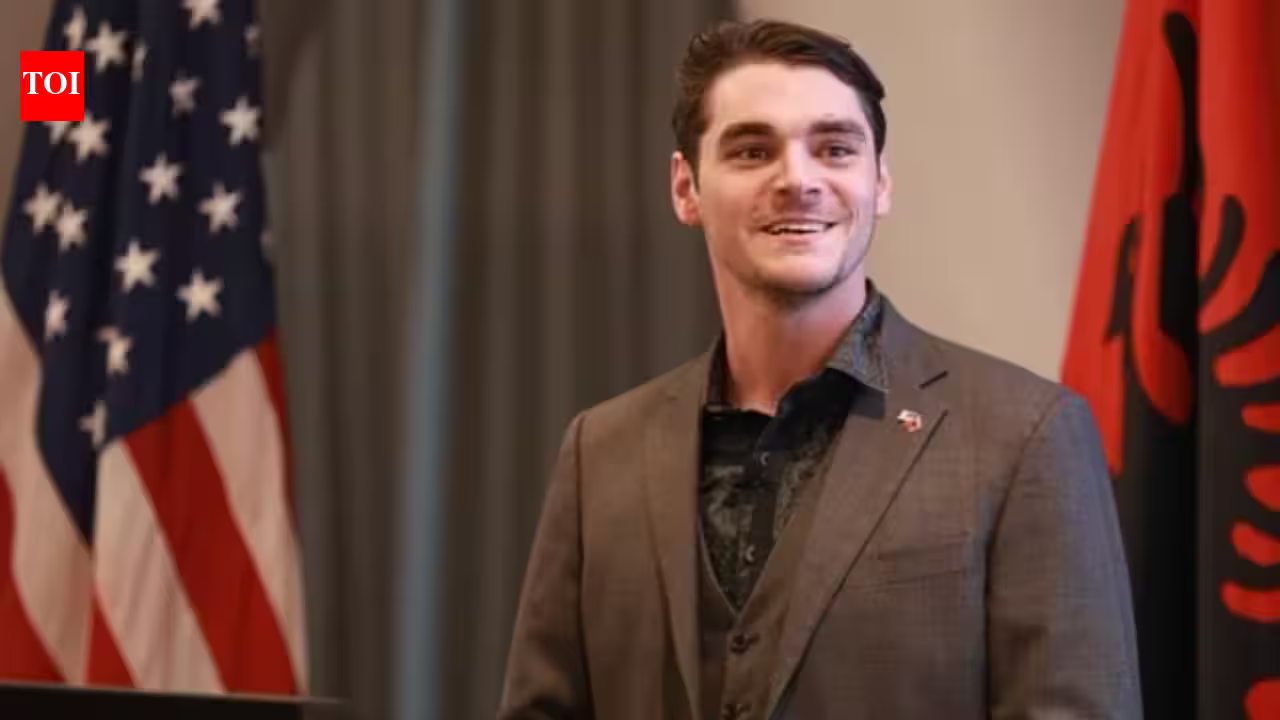
The entertainment world is reeling today following the tragic news that RJ Mitte, the actor whose nuanced performance as Walter White Jr. in Breaking Bad became a cultural touchstone for disability representation, has passed away at the age of 34. According to reports confirmed by TMZ, county officials in Texas stated the actor died on Monday. The investigation into the circumstances surrounding his death is currently being handled as a suicide, with law enforcement confirming that inquiries remain ongoing.
For millions of fans, Mitte was the face of resilience—both on-screen and off. His death leaves a void not only in the television industry, where he challenged the boundaries of what an actor with a disability could achieve, but also in the philanthropic circles he championed with such tenacity.
A Legacy Defined by Authenticity
When RJ Mitte landed the role of Flynn in AMC’s Breaking Bad in 2008, he wasn’t just stepping into a hit show; he was stepping into a spotlight that would eventually illuminate the lived experiences of people with cerebral palsy. Like his character, Mitte lived with the condition, and he famously refused to treat it as a limitation. Throughout 56 episodes, he brought a grounded, heartbreakingly human element to a show defined by high-octane drama and moral decay.
As the son of Bryan Cranston’s Walter White, Mitte’s character was the moral compass—the innocent bystander caught in the radioactive fallout of his father’s criminal empire. Audiences grew up alongside him, witnessing a portrayal that avoided the tropes often forced upon actors with disabilities. He didn’t play “a person with a disability”; he played a teenager navigating adolescence, family trauma, and an evolving identity. His work opened doors, proving that characters with disabilities were not just props, but essential, compelling leads in prestige storytelling.
Beyond the Screen: A Voice for the Voiceless
While his performance as Flynn brought him international recognition, those who worked with Mitte knew that his true passion lay in advocacy. He was a tireless force for change, serving as an ambassador for both United Cerebral Palsy and Shriners Children’s. He viewed his fame as a lever, one he used consistently to pry open the closed doors of Hollywood casting offices.
In a landmark 2019 interview, Mitte didn’t mince words regarding the industry’s failings. He challenged Hollywood to stop relegating disabled actors to the sidelines, arguing that if the industry wanted true diversity, it had to stop relying on able-bodied actors to play roles they hadn’t actually lived. He wasn’t just a performer; he was a president of The Mitte Foundation, a role in which he funneled energy into community programs aimed at dismantling the systemic biases that still plague the disabled community today. His influence reached far beyond the red carpet, leaving a tangible impact on the lives of those he mentored and supported.
A Life of Unexpected Connections
The news is all the more jarring given how vibrant and present Mitte appeared to be in the public eye. Just weeks ago, he was a guest on The Joe Vulpis Podcast, reflecting on the life-altering nature of Breaking Bad and the enduring camaraderie of its cast. Even in his final days, he appeared to be maintaining deep ties to his Breaking Bad family, with social media photos surfacing earlier this month showing a cheerful reunion with co-star Luis Moncada.
On a personal level, Mitte’s life seemed to be moving into a new chapter. Having proposed to his longtime partner, Kennedy Suarez, just last year, he had been navigating the complexities of fame while building a stable, loving private life. The sudden silence that has now fallen over those circles is a painful reminder of how little we truly know about the internal battles even our most beloved figures are fighting.
Addressing the Crisis of Mental Health
The circumstances of Mitte’s passing have sparked a wider, necessary conversation about the pressures faced by those in the public eye—particularly those who spend their lives advocating for others while masking their own struggles. As representatives for the late actor requested privacy for his family and loved ones, the tragedy serves as a grim echo of the mental health crisis currently affecting so many.
Mitte’s death is a sobering reminder that empathy and support are not optional; they are life-saving. In the wake of his passing, the outpouring of grief from co-stars, fans, and advocacy groups underscores just how much his presence mattered. He was a man who fought hard for the inclusion of others, yet the world is now left to grapple with the reality that, despite his massive platform and his commitment to the greater good, he may have been fighting a battle he felt he couldn’t win alone.
As the industry mourns, the focus remains on the man behind the accolades. RJ Mitte was more than a television star; he was a persistent, authentic, and compassionate soul who demanded that the world do better. Whether through his work in The Oak Room, The Guardians of Justice, or the quiet, indelible moments of Breaking Bad, he moved the needle of progress. Today, as we honor his memory, we are reminded of the fragility of the human spirit—and the urgent need to ensure that no one, no matter how bright their star, feels they have to face the darkness in silence.
If you or someone you know is struggling with suicidal thoughts, anxiety, depression, mental illness, domestic violence, assault, or abuse, please seek immediate help from a doctor, mental health expert, NGO, or trusted individual. Help is available, and you do not have to go through this alone.
Disclaimer: This content is auto-generated for informational purposes only.
Source: Read Original News