







National Security Concerns Take Center Stage in Starlink Licensing Debate
NEW DELHI: As the global race for satellite internet supremacy intensifies, the Indian government finds itself navigating a complex intersection of technological ambition, corporate rivalry, and rigorous national security protocols. The ongoing friction surrounding the entry of Elon Musk’s Starlink into the Indian market has escalated, with the billionaire entrepreneur alleging that the influence of local industry giant Mukesh Ambani is obstructing his firm’s path to a license. However, government officials and security experts maintain that the regulatory delay is rooted in critical sovereignty and safety concerns rather than market protectionism.
The Security Dilemma
Behind closed doors, high-level discussions within the parliamentary committee on communication and information technology have highlighted significant apprehension regarding the regulation of foreign-owned satellite networks. Intelligence agencies, alongside the ministries of home and defence, have reportedly raised red flags regarding the operational control of these services.
A primary point of contention is the challenge of internet shutdowns. In India, local administrations frequently employ temporary internet blocks to quell communal tensions or prevent the rapid spread of inflammatory misinformation during law-and-order crises. Because satellite internet services operate via constellations managed from servers and ground stations located abroad, the Indian government fears it may lose its ability to enforce these critical regulatory measures effectively.
“The nature of satellite-based communication creates a unique situation where control largely remains outside national jurisdiction,” a source familiar with the proceedings noted. Beyond the capacity to regulate content during emergencies, the government is also deeply invested in data protection, viewing the sovereignty of user information as a non-negotiable aspect of national security.
Policy vs. Pressure
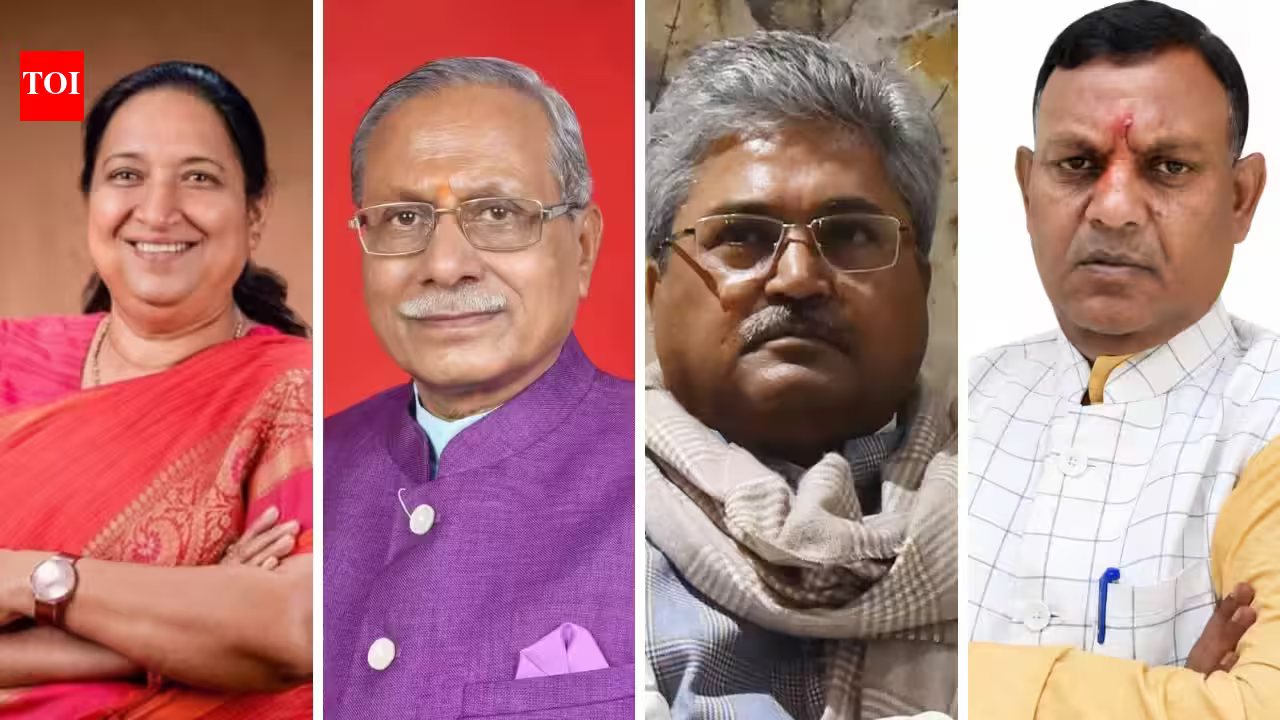
Nishikant Dubey, chairperson of the parliamentary committee, emphasized that the regulatory scrutiny is not an indictment of foreign investment or advanced technology. “India is not against innovation, but our security requirements are paramount,” Dubey stated. Addressing Musk’s recent social media critique—in which the Tesla CEO suggested that local corporate monopolies were influencing policy—Dubey remained firm. “India will not succumb to foreign pressure. Our policy is independent, and we will prioritize national interest above all else.”
Musk’s public commentary, which included provocative posts targeting the Indian political and corporate landscape, has drawn sharp rebuke from government supporters. Observers note that Musk’s confrontational approach has complicated what is already a delicate bureaucratic process, turning a regulatory licensing issue into a high-stakes geopolitical narrative.
Political Tug-of-War
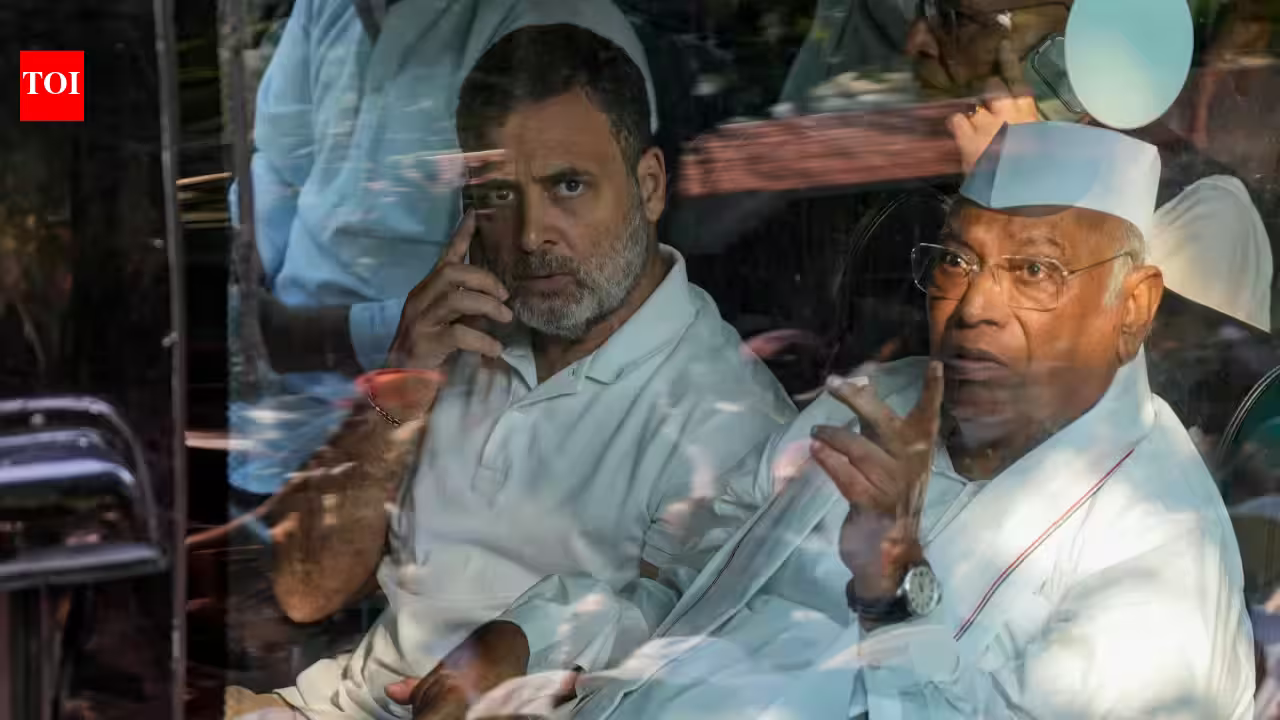
The controversy has also spilled over into the national political arena. Opposition leader Rahul Gandhi has seized upon the situation to criticize the administration, accusing the government of fostering a business environment that favors a select few corporate entities at the expense of competition and consumer choice.
The ruling Bharatiya Janata Party (BJP) has pushed back vigorously, characterizing the opposition’s stance as opportunistic. BJP leaders have pointed to past statements from the Congress party regarding the potential risks of Starlink, accusing the opposition of reflexively siding with foreign voices whenever they criticize the current government, regardless of the underlying national security implications.
As the debate continues, the path forward for satellite internet providers in India remains tethered to a rigorous vetting process. For the government, the mandate is clear: any future satellite operator must not only provide cutting-edge connectivity but also align perfectly with India’s legal framework regarding data privacy, security compliance, and domestic regulatory authority.
Disclaimer: This content is auto-generated for informational purposes only.
Source: Read Original News