








The Strategic Shift Toward AI-Centric Game Development
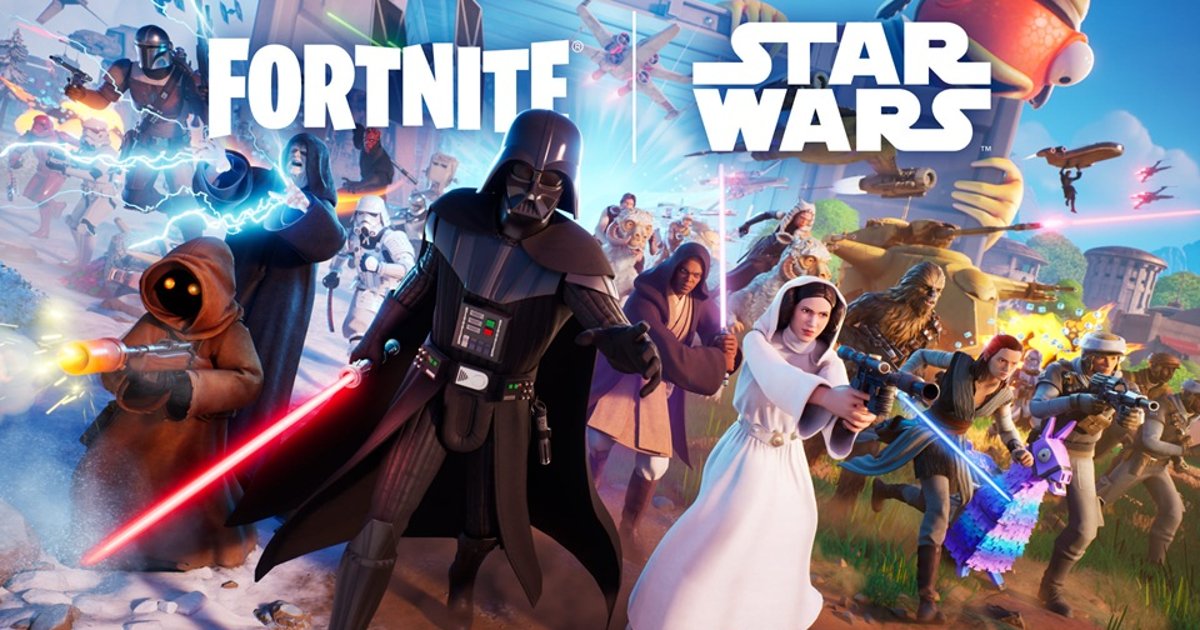
Epic Games is undergoing a fundamental transformation in its production methodology, pivoting toward an “AI-first” development model for its highly anticipated collaboration with Disney. This massive project, which centers on a shooter title integrating characters from the Marvel and Star Wars universes, has officially been delayed beyond its original March release window. While no revised date has been set, the delay signifies more than a mere scheduling adjustment; it marks a radical departure from traditional software engineering standards in the gaming industry.
Management has instructed developers to abandon traditional hand-written coding practices in favor of AI-generated alternatives. Internal directives issued to the production team emphasize a shift where developers act primarily as architects and overseers of AI-generated logic rather than individual contributors drafting raw code. Furthermore, the visual assets for the project are being transitioned to a production pipeline governed entirely by artificial intelligence workflows. This transition places Epic Games at the forefront of a controversial, high-stakes experiment to determine whether generative AI can scale the development of large-scale, high-fidelity titles.
Technical Implementation and Workflow Overhaul
The core of this new development strategy relies on the deployment of advanced large language models, specifically referencing the utilization of tools like Anthropic’s Claude. By integrating these models into the engine’s development environment, Epic aims to automate substantial portions of the coding process. In this new workflow, human staff are tasked with providing precise inputs and constraints to the AI, which then generates the technical logic required for game functions, physics, and interactions.
From a production standpoint, the directive to stop writing code by hand represents an attempt to accelerate development speed and decrease the technical debt typically associated with manual development cycles. By utilizing AI to write the foundational layers of the codebase, the company hopes to maintain consistency across a complex project involving massive intellectual properties. Similarly, the shift toward AI-driven art workflows suggests a move toward procedural generation and rapid asset iteration. Instead of artists creating every individual texture or character asset from scratch, AI tools are expected to generate high-fidelity models and environments based on defined artistic styles, with developers refining the final output to ensure it aligns with the intended creative direction.
Contextualizing the Disney-Epic Partnership
The stakes for this project are significant, bolstered by Disney’s substantial $1.5 billion investment in Epic Games in 2024. This partnership was intended to establish a long-term ecosystem that expands beyond the current Fortnite structure into a broader, interconnected gaming universe. The upcoming shooter is the flagship title of this alliance, serving as the first major delivery for a partnership meant to fuse Disney’s cultural catalog with Epic’s engine technology.
The pivot to an AI-first model arrives during a period of intense volatility for the studio. Following a massive reduction in its workforce that saw 1,000 employees laid off in 2025, Epic has been under immense pressure to streamline operations and find efficiencies. Internal sources indicate that the current project had fallen behind its development timeline prior to the mandate, partly due to miscalculations regarding the necessary human resource allocation and project duration. By transitioning to AI-assisted workflows, the company is attempting to recover lost ground and meet the demands of a high-pressure deadline without rehiring at previous capacity levels.
The Industry-Wide Debate on Artificial Intelligence
Epic Games’ decision is not happening in a vacuum; it reflects a growing divide within the interactive entertainment sector. According to industry surveys, while over a third of developers currently incorporate some form of artificial intelligence into their day-to-day work, a significant portion of the workforce remains skeptical of its influence. Critics argue that relying heavily on generative AI for core creative tasks threatens the quality of the final product and risks diminishing the role of human artistic expression.
Proponents, however, argue that the technology is a necessary evolution. As game complexity increases, the costs and time required for production have reached levels that are increasingly unsustainable for traditional models. If Epic successfully proves that a game can be built with minimal manual coding and AI-generated assets, it could force a standardization of these tools across the entire AAA gaming market. However, the reported internal “stunned” reactions suggest that the transition is creating friction, highlighting a cultural and technical disconnect between leadership’s vision and the expectations of the development staff responsible for executing these complex systems.
Looking Ahead: Efficiency vs. Creative Integrity
The decision to treat developers as directors of AI output rather than coders and artists is a bold gamble. It redefines the craft of game development, shifting the primary skill set from low-level programming to high-level system orchestration. Whether this model can deliver a polished, cohesive, and compelling gaming experience worthy of the Star Wars and Marvel brands remains to be seen.
The successful delivery of this project will depend on the ability of human developers to oversee the unpredictable nature of AI logic and visual generation. If the project succeeds, Epic Games will likely serve as the blueprint for future studio operations. If it falters, it may serve as a cautionary tale about the limitations of automation in creative industries. As the studio works to reconcile these technical shifts with the immense expectations of the partnership, the industry will watch closely to see if AI can truly replace the traditional, laborious process of game design or if it remains a supplementary tool rather than a foundation for development.
Disclaimer: This content is auto-generated for informational purposes only.
Source: Read Original News