








Engineering the A20 Pro for a New Form Factor
The transition to a folding form factor in the iPhone Duo presented Apple with significant engineering hurdles, particularly regarding thermal management. Because the device is essentially two halves that function as a single unit, heat dissipation must be handled across a split chassis that doubles in thickness when closed. Powering this ambition is the A20 Pro, the company’s latest system-on-a-chip (SoC) manufactured using a 2 nm process. This architecture, which made its initial appearance in the M6-powered Mac mini, offers unprecedented efficiency but requires sophisticated cooling to maintain peak performance under load.
Apple’s silicon engineering team, led by Dan Murray, customized the A20 Pro specifically for the iPhone Duo. Unlike the standard A20 Pro found in the iPhone 18 Pro, the Duo variant features an expanded display engine. This component is essential for managing the dual-screen configuration, allowing for seamless communication between the inner foldable display and the outer cover screen. Furthermore, the chip integrates advanced under-display camera technology, requiring the silicon to manage complex image processing tasks while minimizing heat output in the upper portion of the device.
The Innovation of the Flexible Graphite Pipe
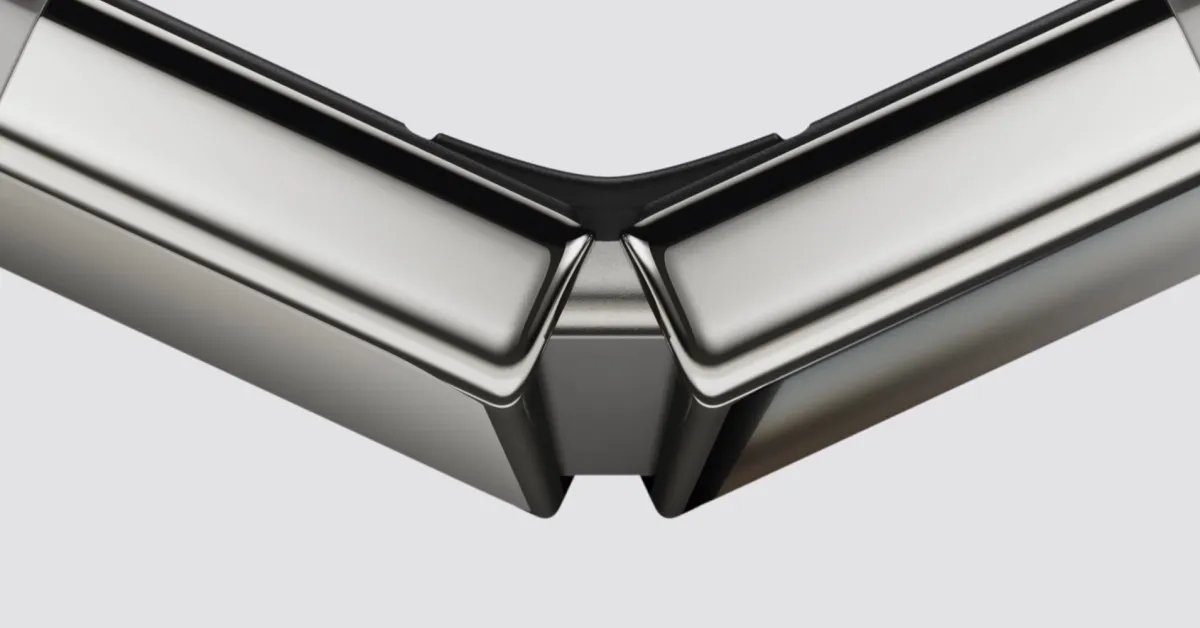
One of the most noteworthy breakthroughs in the iPhone Duo’s design is the implementation of a flexible graphite pipe routed directly through the device’s hinge. Traditionally, hinges in foldable devices act as thermal dead zones, isolating the two halves of the chassis. By utilizing a flexible, high-conductivity material, Apple has essentially turned the hinge into a thermal bridge.
Banafsheh Barabadi, senior manager of thermal product design at Apple, highlighted that this was a primary point of friction during development. The graphite pipe allows heat generated by the A20 Pro on one side of the device to be redistributed to the other half. This effectively doubles the surface area available for dissipation. Engineering this component required intensive collaboration between the thermal and mechanical teams to ensure the material could survive thousands of hinge cycles without degrading in its thermal conductivity or structural integrity.
Metal Over Foam: Advancing Thermal Coupling
Beyond the hinge mechanism, Apple has introduced a material innovation dubbed “metal over foam” to manage the heat generated by the A20 Pro. This material acts as a bridge between the processor and the internal vapor chamber, ensuring that heat is transferred away from the chip as efficiently as possible. The material is mechanically compliant, meaning it can compress and conform to the specific geometry of the internal components while maintaining a consistent thermal path.
This development is critical because, in a device as thin as the iPhone Duo, every millimeter of space must serve a functional purpose. The metal over foam layer eliminates the air gaps that often occur in traditional thermal interface materials, providing a direct, low-resistance connection to the cooling system. According to the internal design team, perfecting this material required months of testing to achieve the right balance between thermal dissipation and structural requirements, ensuring the device remains reliable under continuous, high-performance operation.
Managing Performance in a Foldable Environment
The dual-display nature of the iPhone Duo creates a unique demand on the GPU and CPU. Because the device must frequently handle two distinct video streams or intensive multitasking environments, the silicon must manage thermal throttling to keep the device comfortable for the user. By placing the DRAM adjacent to the processor rather than stacking it on top, Apple has further reduced localized heat concentration.
This arrangement, often referred to as side-by-side packaging, helps keep the center of the device cooler. In standard smartphone designs, stacked memory often acts as an insulator, trapping heat in the SoC. By separating these components, Apple enables better airflow and more direct contact with the vapor chamber system. This strategic component placement, combined with the new graphite hinge bridge, ensures that the iPhone Duo maintains a consistent level of performance regardless of whether the device is folded or fully extended.
Impact on Future Portable Computing
The thermal architecture of the iPhone Duo suggests a shift in how engineers approach foldable hardware. As mobile devices move toward more complex form factors, the traditional method of relying on a single heat spreader is becoming obsolete. The use of flexible thermal conductors and adaptive materials like the metal over foam layer signals that Apple is prioritizing long-term durability in its hardware.
By effectively turning the entire chassis into a cohesive thermal management system, the iPhone Duo avoids the performance drops that often plague folding phones once they get warm. These engineering decisions provide a blueprint for how Apple might handle heat in future iterations of both its mobile and tablet products. As the company continues to shrink the process node, the focus remains on ensuring that the silicon’s power does not come at the cost of device longevity. Through these innovations, Apple has transformed the structural challenge of the hinge into a functional advantage, setting a new benchmark for thermal efficiency in high-performance portable electronics.
Disclaimer: This content is auto-generated for informational purposes only.
Source: Read Original News