








The modern grocery aisle is undergoing a fundamental transformation as consumer priorities shift from “what to avoid” to “what to gain.” According to a 2027 trend forecast from Innova Market Insights, the primary question driving today’s shoppers is simple yet profound: “What is this food doing for me?”
Lu Ann Williams, president of Innova Market Insights, notes that while the last decade was defined by a fear of ingredients like saturated fats and sugar, the current climate is defined by an active search for functional value. To succeed in this new landscape, brands must clearly communicate the tangible benefits of their products—whether it is protein for muscle maintenance, fiber for digestion, or ingredients that support cognitive focus.
Nutrient Density and the GLP-1 Effect
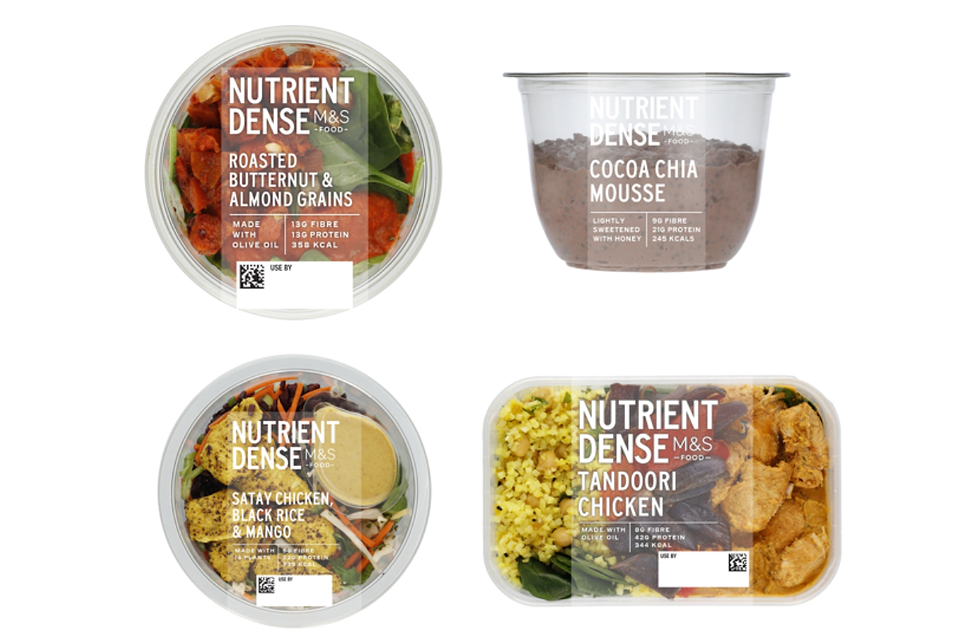
Leading the charge for 2027 is the trend of nutrient density. Shoppers are increasingly looking for labels that go beyond basic calorie counts to highlight specific benefits like fiber content and protein source. However, Williams warns that simply slapping a “high protein” label on a product is no longer enough to win over savvy consumers; it must be balanced against concerns over sugar levels.
The rise of GLP-1 medications is also rewriting the rules of the industry. As users of these medications look for products that aid in satiety and blood sugar control, they are turning away from traditional snack staples. Sales of cookies, cakes, and pastries have plummeted by 33% among this demographic, while products specifically marketed as “GLP-1 friendly” have seen a 190% surge in interest. This trend underscores a broader movement toward longevity engineering, where consumers are eating with the explicit goal of maintaining strength and mobility as they age.
Mental Wellness and the “Pharmacy” Aisle
Food and beverage is increasingly positioning itself as a form of mental wellness. For millennials and Gen Z, the focus has moved toward products that promise sustained energy and stress management. This has spurred a massive increase in the inclusion of functional ingredients in everyday items.
For example, coffee infused with ingredients like lion’s mane and cordyceps mushrooms is moving from niche wellness stores to the mainstream, marketed as tools for focus and immune support. Similarly, the ancient practice of fermentation is seeing a modern resurgence. By leveraging probiotics found in kefir, kimchi, and miso, manufacturers are positioning these products not just as food, but as a fundamental platform for gut health. This “gut-skin connection” has become a selling point, with products claiming beauty and radiance benefits seeing a 38% growth in recent launches.
The Role of AI and Digital Discovery
Technology is acting as a bridge between these complex nutritional demands and consumer purchasing behavior. AI is rapidly entering the food ecosystem from two distinct directions. On the consumer side, shoppers are increasingly relying on AI chatbots to parse Nutrition Facts panels and provide personalized dietary recommendations. Currently, nearly 30% of consumers have used AI to help navigate food choices, with interest growing rapidly.
Simultaneously, social media is compressing the sales funnel. Short-form video content has become a primary engine for discovery, with 59% of global consumers reporting that they try a new food product at least once a month based on social media recommendations. As the distance between seeing a product on a screen and holding it in hand shrinks, brands are finding that their digital presence is just as vital as their physical presence on the shelf.
In this new era, the winning brands will be those that use both advanced formulations and digital storytelling to bridge the gap between complex nutritional needs and everyday convenience. Whether it is through AI-driven personalization or transparency in regenerative farming practices, the future of food lies in the ability to prove, quickly and credibly, that every bite serves a purpose.
Disclaimer: This content is auto-generated for informational purposes only.
Source: Read Original News