






The Intersecting Worlds of Satire and Corporate Branding
The recent resurgence of Nintendo-themed sketches on Saturday Night Live has reignited internal discussions regarding how legacy gaming brands manage their intellectual property in the chaotic landscape of late-night television. While the latest parody featuring a clash between The Legend of Zelda: Ocarina of Time and the highly anticipated Grand Theft Auto 6 was received as a standard industry critique, it has brought to light the underlying tensions that arise when comedy programs utilize high-value characters without direct oversight from the rights holders.
For a company like Nintendo, which maintains a famously strict control over its brand identity and public perception, the appearance of characters like Wario or Link in non-sanctioned comedic segments represents a challenge. Former marketing leads Krysta Yang and Kit Ellis, who spent over a decade within Nintendo, recently highlighted the disconnect between the company’s carefully cultivated image and the unpredictable nature of live sketch comedy. Their insights reveal that while Nintendo actively engages with media outlets to promote new software, they remain perpetually wary of how their intellectual assets are repurposed for public consumption.
The Anatomy of a Controversial Portrayal
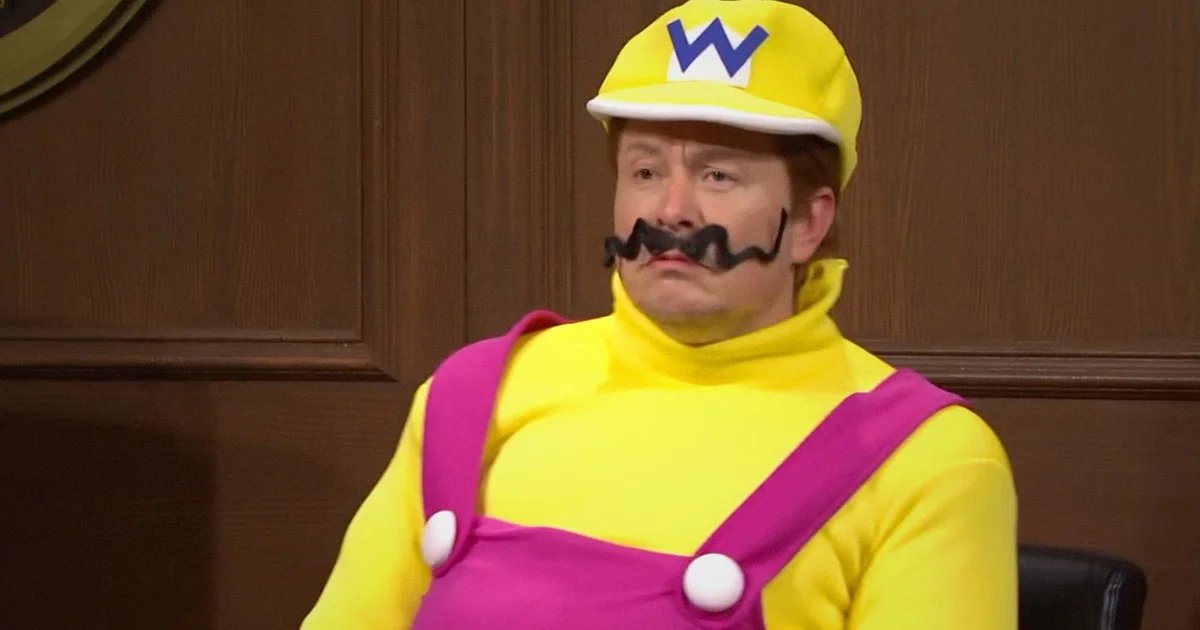
The conversation regarding brand management was prompted by a retrospective look at a previous sketch involving Elon Musk portraying Wario. Unlike typical promotional appearances, this skit leaned heavily into mature themes and bizarre character portrayals that stood in stark contrast to the family-oriented values usually associated with the Nintendo label. For internal stakeholders, the lack of a clear marketing objective—such as the release of a new Mario or Wario title—made the appearance feel disjointed and potentially damaging.
From a corporate communications perspective, the issue was not just the satirical content, but the lack of alignment with any active product cycle. When a major brand character is placed in an environment that features adult-oriented humor or controversial topics, it forces the copyright holder into a defensive posture. In this instance, the portrayal was described as originating from leftfield, catching the communications team off-guard. The frustration stemmed from the fact that Nintendo exerts significant effort to maintain a sanitized, approachable presence, only to have that work undermined by an unauthorized, uncoordinated segment that the general public might mistakenly associate with a tacit endorsement.
Managing Intellectual Property in Media Relations
Nintendo’s approach to public relations involves a dedicated team tasked with managing relationships with producers and late-night shows. The primary goal of these interactions is to ensure that when games reach the market, they are showcased in a controlled manner that aligns with product release schedules. By providing access to journalists and influencers, the company exerts influence over how their software is presented to the masses.
However, the nature of satire often bypasses these formal channels. Because sketch comedy programs rely on cultural relevance and shock value, they frequently appropriate recognizable icons to generate engagement. The conflict arises when these programs operate independently of the intellectual property owners. While the marketing team at Nintendo works to ensure that reviewers and late-night hosts have accurate information, they have little to no power over the creative decisions made by the sketch writers. This creates an environment where a brand must weigh the benefits of cultural visibility against the risks of brand dilution.
Technical Evolution and Art Style Debates
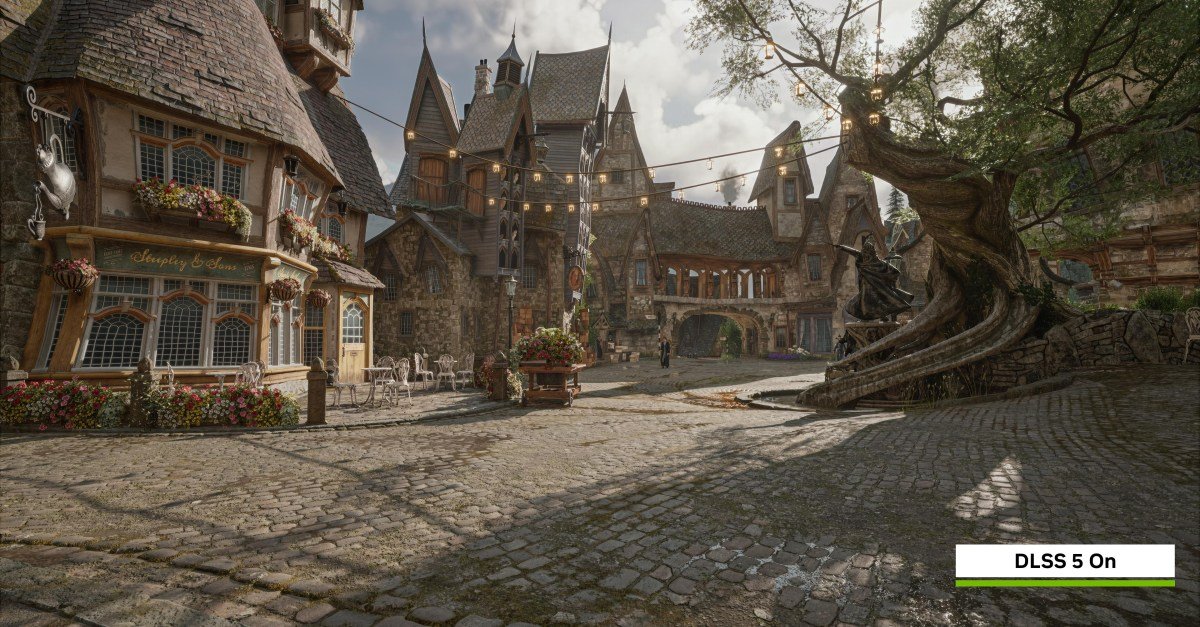
Transitioning from the realm of late-night comedy to actual product development, the focus remains on the upcoming launch of The Legend of Zelda: Ocarina of Time remake. The technical updates to this classic title have become a focal point of industry discussion. Unlike the original iteration, the remake utilizes modern rendering techniques that have fundamentally shifted the visual identity of the game.
These updates are not merely aesthetic; they involve significant modifications to the underlying engine and performance optimization. The move toward a modernized art style has invited intense scrutiny from longtime fans and technical analysts alike. By reconstructing assets from the ground up, the developers have had to make decisions about fidelity versus nostalgic accuracy. This process of remaking a beloved classic highlights the ongoing industry tension between preserving the source material and meeting modern hardware performance benchmarks. As the November release date approaches, these technical choices will be scrutinized to determine if the remake honors the legacy of the original while satisfying the demands of contemporary gaming hardware.
The Competitive Landscape of Holiday Releases
The comparison between The Legend of Zelda: Ocarina of Time and Grand Theft Auto 6 is as much about market positioning as it is about cultural impact. In the context of a crowded November release calendar, both titles represent massive, albeit distinct, software experiences. The juxtaposition of these two games—one a remake of a foundational title and the other a massive open-world sequel—illustrates the diverse scope of the current gaming ecosystem.
For the industry, the impact of these releases is measured not just in sales, but in the attention they command across social media and traditional broadcast platforms. The SNL sketch, while satirizing the rivalry, points to a larger truth: these brands occupy a space in the cultural zeitgeist where they are treated as public commodities. Whether through direct marketing or through the lens of parody, the ability of these intellectual properties to generate conversation remains their most valuable asset. As the technical standards for software continue to rise, the companies behind these products must navigate the complexities of both high-end development and the volatile nature of public discourse.
Disclaimer: This content is auto-generated for informational purposes only.
Source: Read Original News