







A New Era for the Apple Home Ecosystem
Apple has officially expanded its hardware footprint in the domestic security and climate control market with the introduction of the Apple Home Collection. Developed in strategic collaboration with industry leaders LG Electronics and Schneider Electric, this new lineup marks a departure from Apple’s historical focus on software-centric smart home integration. By partnering with established hardware manufacturers, Apple is positioning its ecosystem as a unified, high-performance suite that prioritizes data privacy, inter-device communication, and seamless user experiences. The collection comprises six distinct devices, ranging from advanced door locks to climate control systems, all designed to leverage the existing Apple Home infrastructure.
Advancements in Secure Home Access
The flagship entry in the new collection is the LG-engineered smart lock, priced at $349. This device represents a significant step forward in residential security, primarily due to its integration with Apple Home Key. By utilizing Ultra-Wideband (UWB) technology, the lock facilitates hands-free entry, detecting an authorized iPhone or Apple Watch as the user approaches the door. This proximity-based authentication ensures that physical keys or traditional fobs become secondary. For users who prefer alternative methods, the device maintains a robust keypad for PIN code entry and retains a concealed physical keyhole, providing redundant mechanical access. The synergy between the lock and the Apple ecosystem allows for granular access control, enabling homeowners to monitor entry logs and issue temporary access codes through the Home application.
Comprehensive Visual Security and Monitoring
The visual monitoring suite introduced in this collection addresses the demand for higher resolution and intelligent tracking. The $249 LG video doorbell stands out due to its dual-camera architecture. Capable of recording in 2.5K resolution, the doorbell is engineered to provide a comprehensive view of the threshold, with one sensor optimized for facial recognition of visitors and a second, downward-facing sensor dedicated to detecting package deliveries. This configuration mitigates the common issue of blind spots often found in single-lens doorbell cameras.
Complementing the doorbell are the new indoor and outdoor security cameras. The indoor unit, priced at $199, features a motorized tubular design that offers 360-degree coverage through vertical rotation. A privacy-centric feature allows the camera to automatically orient itself downward when the home is in an occupied state, effectively disabling the lens without requiring manual intervention. For outdoor perimeters, Apple is offering two wired cameras: a $399 model equipped with integrated motion-activated floodlights for nighttime visibility and a $299 variant that omits the lighting array for those with existing external illumination.
Climate Control and Matter Integration
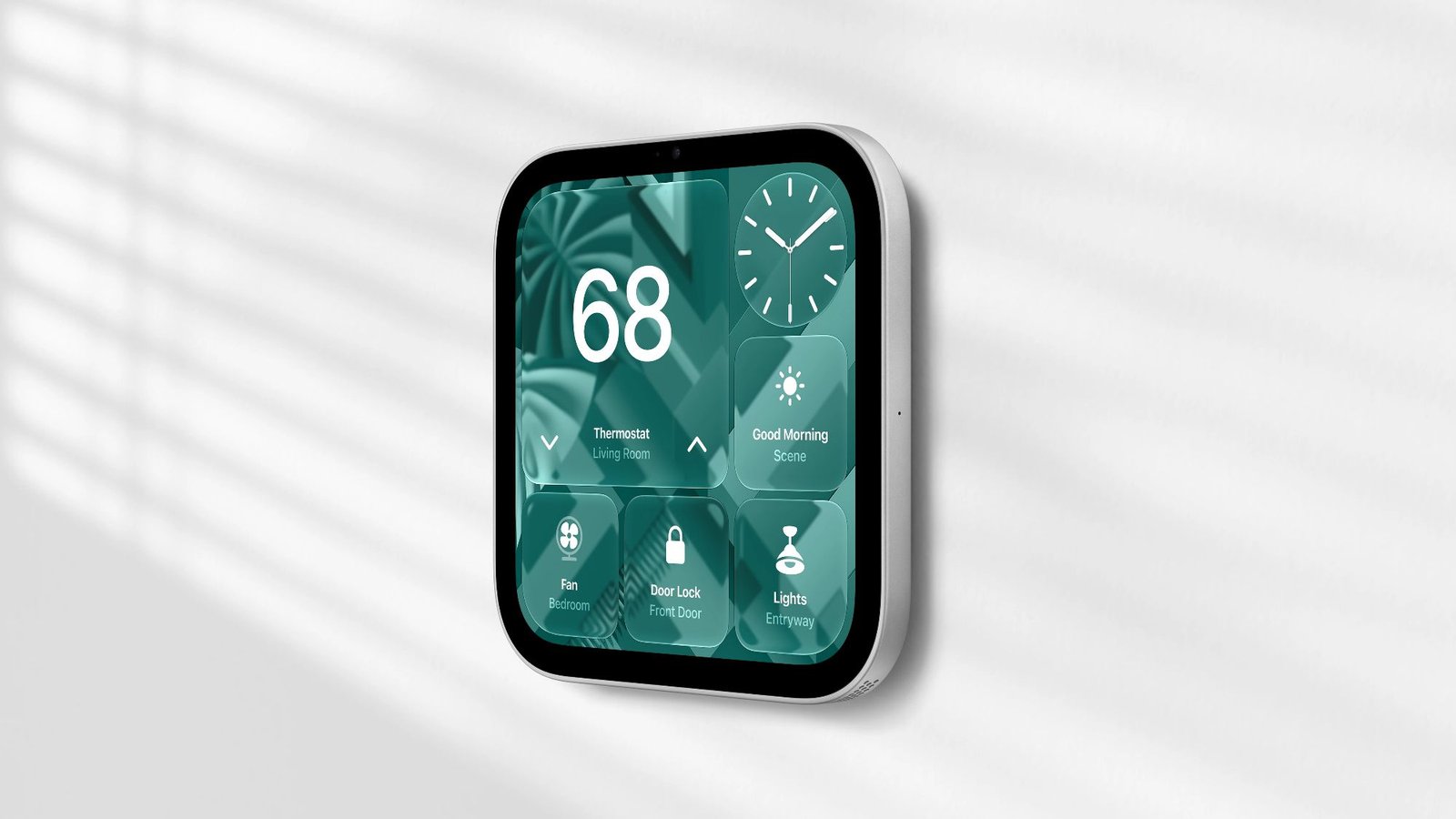
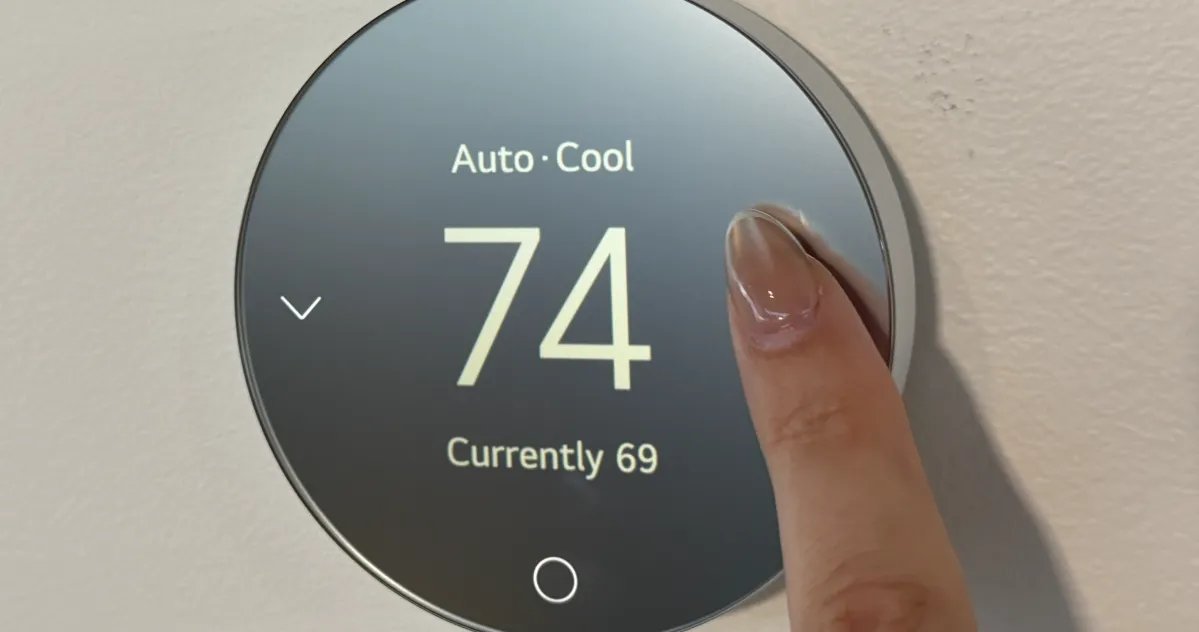
Rounding out the collection are two smart thermostats, underscoring Apple’s commitment to universal compatibility through the Matter standard. The round variant, produced by LG, and the square model, developed by Schneider Electric, are both priced at $199. By adopting the Matter protocol, these devices ensure interoperability not only with the Apple Home ecosystem but also with other major smart home platforms, providing users with flexibility in their network architecture. These thermostats utilize sophisticated algorithms to analyze historical temperature preferences and local weather data to optimize energy efficiency. The inclusion of Matter ensures that these devices remain future-proof, allowing for consistent firmware updates and integration as global smart home standards continue to evolve.
Impact on the Smart Home Landscape
The release of the Apple Home Collection signals a shift in how consumer technology companies approach the smart home. By centralizing the development of these devices under a shared design language and unified backend, Apple is minimizing the fragmentation that often plagues automated home systems. The focus on high-fidelity sensors, such as the 2.5K resolution cameras and UWB-enabled locking mechanisms, establishes a premium standard for the market.
Furthermore, this move bolsters Apple’s privacy-first initiative. By keeping the processing of video feeds and security data within the localized Apple Home environment, users can expect a higher degree of protection against external data breaches. The use of hardware-level encryption in the locks and encrypted video storage for the cameras aligns with Apple’s long-standing security philosophy. For consumers, this translates to a more reliable system where the components are not merely compatible but are engineered to function as a singular, cohesive security and climate management platform.
Strategic Outlook for Future Developments
As the smart home market matures, the demand for devices that require minimal configuration but offer professional-grade utility is increasing. The Apple Home Collection is a direct response to this need, simplifying the installation and management process for complex systems like floodlight-equipped outdoor cameras and dual-sensor doorbells. With the integration of Matter across the new thermostats, Apple is also acknowledging the necessity of open ecosystems, ensuring that their proprietary hardware can exist within diverse smart home configurations. Moving forward, the success of this collection may dictate how Apple expands its hardware influence, potentially leading to a broader array of interconnected sensors and home automation tools that further solidify the company’s position as the primary controller for the modern residence.
Disclaimer: This content is auto-generated for informational purposes only.
Source: Read Original News