








Freedom LNG LLC has officially requested authorization from the U.S. Department of Energy to export 0.940 billion cubic feet per day (Bcf/d) of domestically sourced natural gas to Mexico. This ambitious project, centered on the proposed BRAVO LNG terminal in Matamoros, Tamaulipas, aims to transform U.S. natural gas into 6.0 million tonnes per annum (MTPA) of liquefied natural gas for global distribution. The application, which was officially noted in the Federal Register on October 6, 2026, has triggered a 60-day public comment period set to conclude on December 7, 2026.
Leveraging Infrastructure and Cross-Border Synergy
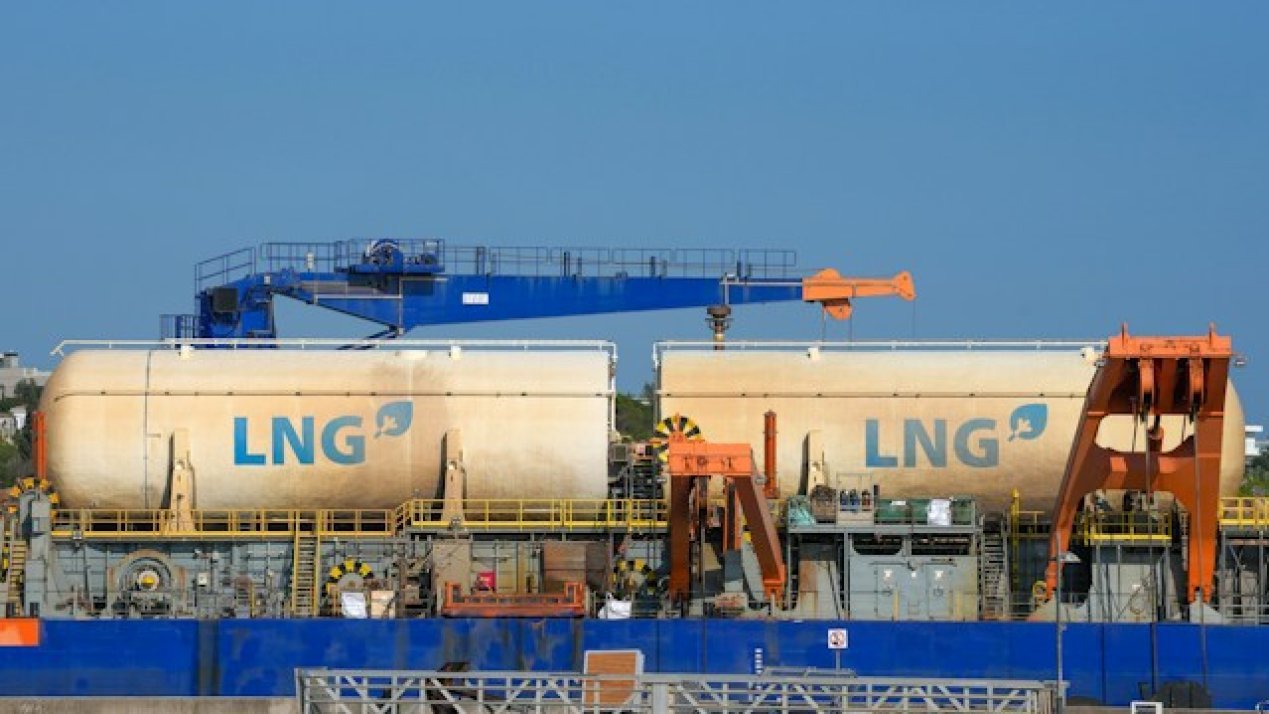
The BRAVO LNG project is designed to maximize the utility of existing energy infrastructure by tapping into the robust Sur de Texas-Tuxpan subsea pipeline. By utilizing this link, the terminal will draw feed gas directly from high-yield U.S. basins, including the Permian, Eagle Ford, and Haynesville formations. The facility will employ a modular approach, featuring liquefaction barges, specialized pretreatment units, and floating storage infrastructure, all strategically positioned in the Gulf Coast port.
This cross-border model is expected to provide U.S. producers with a competitive advantage, granting them direct access to key markets in Europe, the Caribbean, and South America. Beyond the logistical benefits, the project is framed as an economic catalyst that could help narrow the U.S.-Mexico trade deficit. By integrating North American energy supply chains, Freedom LNG hopes to create a seamless flow of gas that supports both regional domestic needs—with roughly 0.1 Bcf/d earmarked for local Mexican consumption—and international export requirements.
Navigating Complex Regulatory Landscapes
The path to commercial operations, targeted for July 2031, involves navigating a dense web of international regulations. Because the terminal is located on Mexican soil, the project must satisfy stringent oversight from various federal entities. The National Agency for Industrial Security and Environmental Protection of the Hydrocarbon Sector (ASEA) remains the primary gatekeeper, requiring exhaustive environmental and risk assessments. Additionally, the project must satisfy the requirements of the Secretariat of Energy (SENER) regarding social impact and coordinate with the Energy Regulatory Commission (CRE) for commercial transport and liquefaction permits.
From a technical and management perspective, the project is a collaborative international effort. While Plano-based Freedom LNG handles the U.S. export application, the Singapore-based LNG Alliance oversees the overarching development, and the Mexico-based BRAVO LNG S.A. de C.V. manages the facility’s daily operations and compliance.
Digital Innovation in Industrial Management
In the modern energy sector, the complexity of managing international, multi-jurisdictional assets has prompted an increased reliance on digital transformation. Similar to the way global tech giants leverage cloud-based AI to optimize data centers or Google utilizes machine learning to streamline infrastructure performance, firms like Freedom LNG are adopting sophisticated management systems to ensure operational safety and efficiency.
The requirement for an Industrial, Operational, and Environmental Safety Management System (SASISOPA) in Mexico underscores the shift toward data-driven industrial oversight. Just as AI-driven predictive maintenance is currently revolutionizing how engineering firms monitor pipelines and remote facilities, the BRAVO LNG terminal will likely utilize advanced diagnostics and real-time monitoring to adhere to the rigorous safety standards mandated by Mexican authorities. This integration of digital management is becoming essential for navigating the complex permitting processes and long-term asset lifecycle management necessary for such a large-scale trans-border energy initiative. As the project progresses toward its projected 2030 testing phase, the intersection of traditional energy infrastructure and high-tech operational monitoring will be a critical factor in its ultimate success.
Disclaimer: This content is auto-generated for informational purposes only.
Source: Read Original News