





Growing Unrest in New Delhi: Thousands Detained Amid Voter Roll Controversy
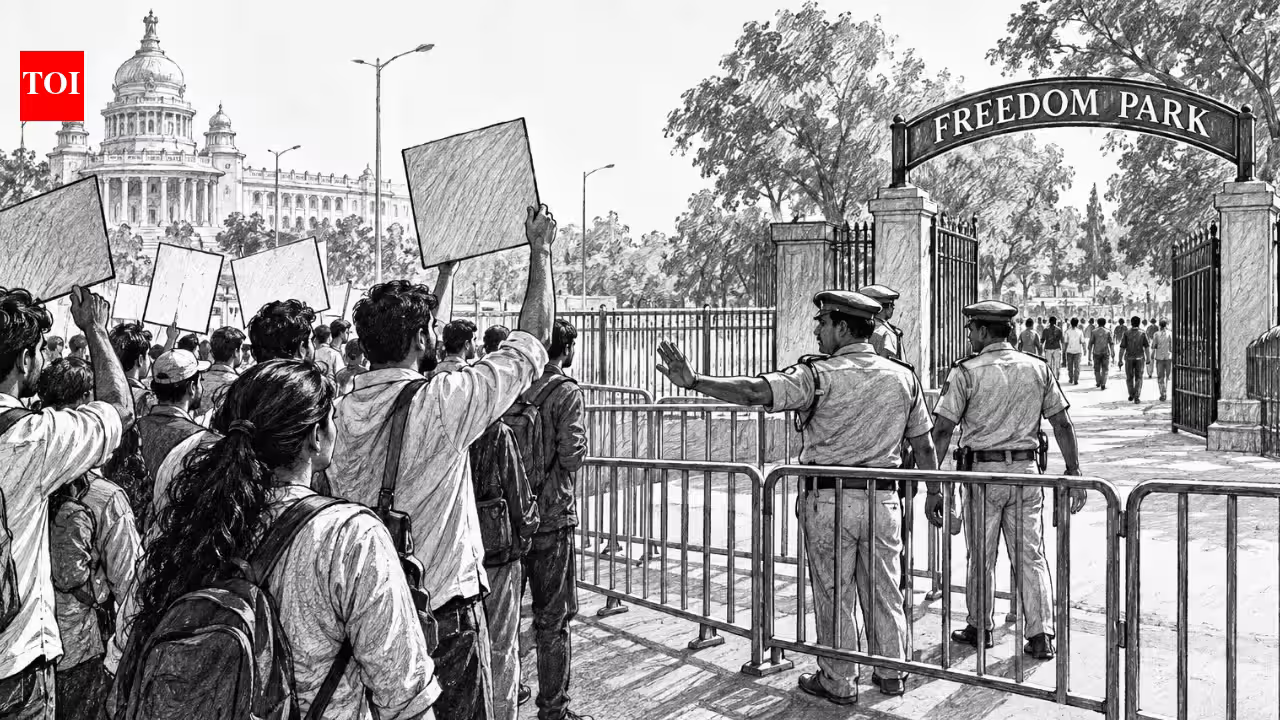
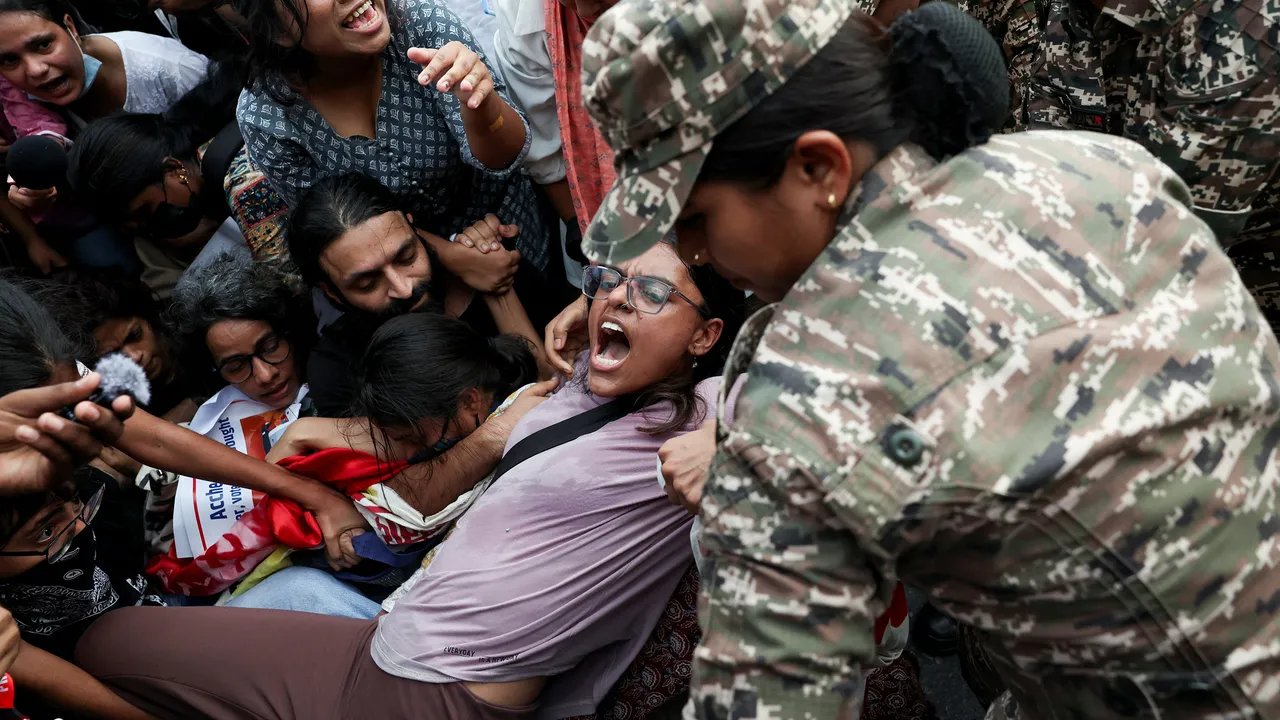
NEW DELHI — The national capital was plunged into a state of intense agitation this past weekend as Indian authorities launched a sweeping crackdown on anti-government demonstrators. Thousands of protesters were taken into custody in a show of force that has drawn international attention to the deepening political divide within the country. While the government of Prime Minister Narendra Modi and the Bharatiya Janata Party (B.J.P.) maintains that the arrests were necessary to maintain order, the rapid release of key figures from the movement, known as the Cockroach Janta Party (C.J.P.), suggests a volatile standoff between the state and its citizens.
The current unrest follows a period of mounting frustration that began in July, when mass protests over the nation’s education system forced the resignation of the Union Minister of Education. However, the scope of the discontent has since widened, evolving into a broader challenge against the current administration’s governance.
A Shift in the Protest Landscape
Political analysts observe that this movement is qualitatively different from previous cycles of dissent. While earlier protests—such as those led by farmers in 2021 or minority groups opposing the Citizenship Amendment Act in 2020—were defined by specific sectoral grievances, the current wave of defiance is cross-sectional and geographically vast.
Yogendra Yadav, a prominent activist and national convener of the civil-society group Bharat Jodo Abhiyaan, notes that the most significant development is the inclusion of the Indian youth who are unaffiliated with traditional political ideologies. Perhaps most concerning for the B.J.P. is the influx of middle-class, upper-caste demonstrators—a demographic that has historically served as a political bedrock for the ruling party.
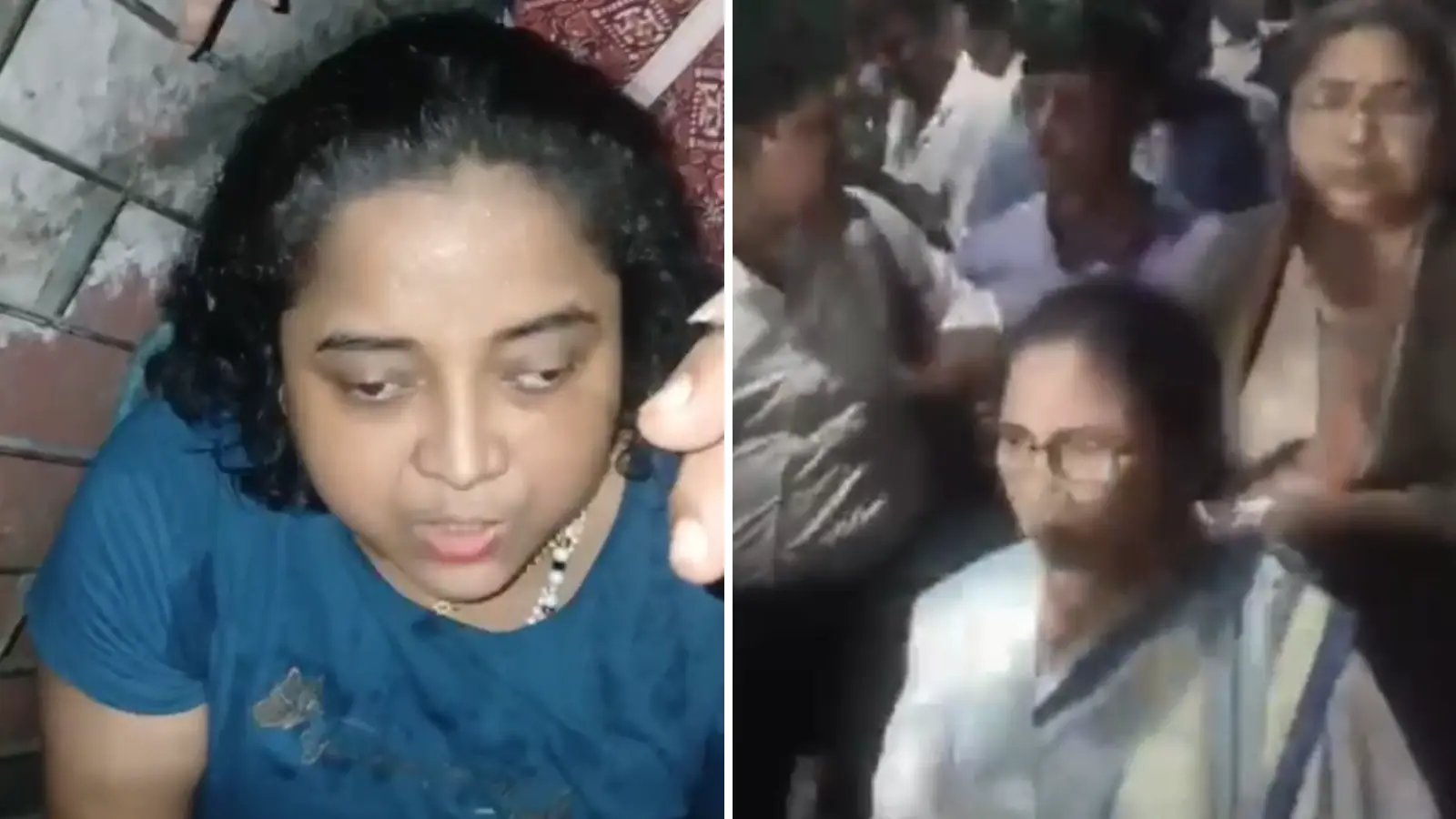
“This cuts across social and political boundaries,” Yadav explained following his own arrest at the weekend protests. “It involves people who previously supported Mr. Modi, signaling that this isn’t just an opposition-driven campaign, but a manifestation of widespread anxiety regarding employment and livelihood.”
The Voter Disenfranchisement Crisis
While the education sector provided the initial spark, the primary focus of the movement has pivoted to the controversial “Special Intensive Revision” (S.I.R.) of electoral rolls. The government claims this initiative is a technical effort to eliminate duplicate registrations. However, critics argue it is a systematic exercise in voter suppression that has resulted in the removal of over 100 million people from the eligibility lists.
Under the new S.I.R. guidelines, the traditional model of state-initiated voter registration—where authorities actively verified and registered citizens—was abandoned. Instead, the burden of proof was shifted entirely onto the individual. Citizens were given a one-month window to file fresh documentation; those who failed to navigate the bureaucratic hurdle were automatically struck from the rolls, regardless of their historical voting record.
“By sheer numbers, this is one of the largest exercises of disenfranchisement in world history,” says Yadav. The move has fueled a perception that the integrity of India’s democratic process is under threat, especially given that the Election Commission’s leadership is widely viewed as being under the influence of the current executive.
As the C.J.P. continues to mobilize, the government remains at a crossroads. The blending of specific policy grievances with a generalized fear regarding the future of Indian democracy suggests that the administration may struggle to quell the dissent through arrests alone. For now, the streets of New Delhi remain a barometer for a nation experiencing a profound crisis of confidence in its electoral mandate.
Disclaimer: This content is auto-generated for informational purposes only.
Source: Read Original News