







The Bengaluru Protest Paradox: Why Freedom Park Holds a Monopoly on Dissent
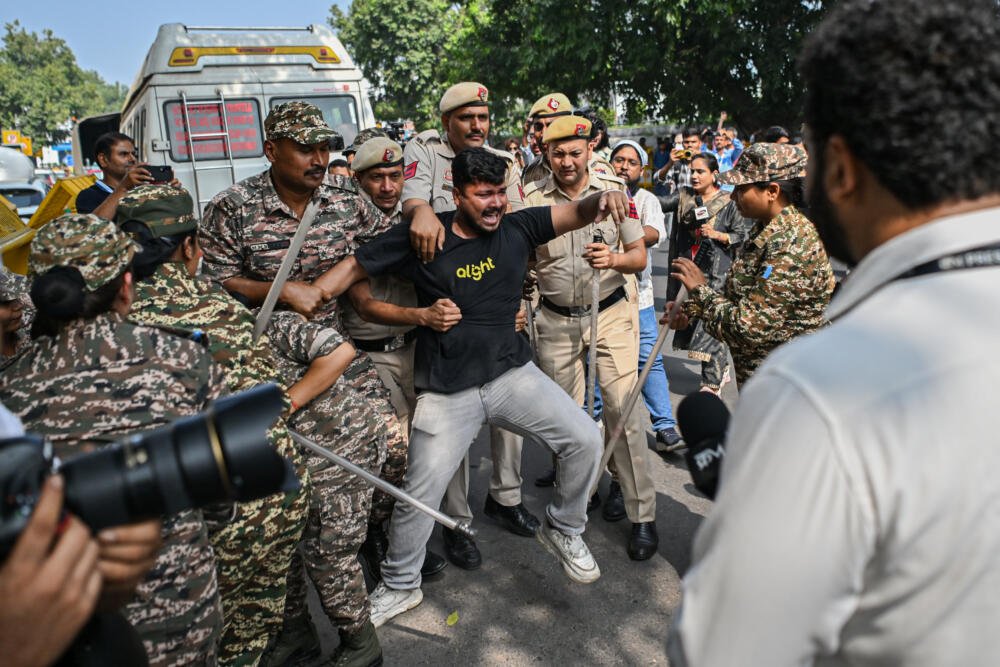
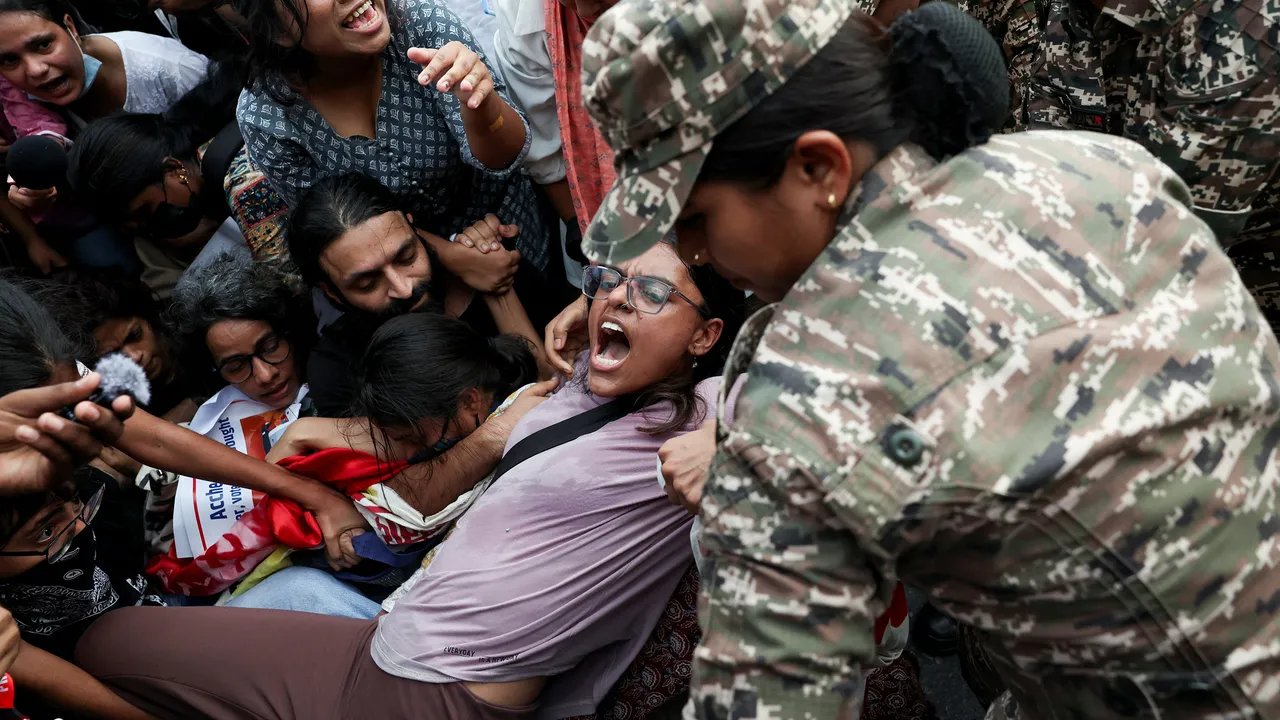
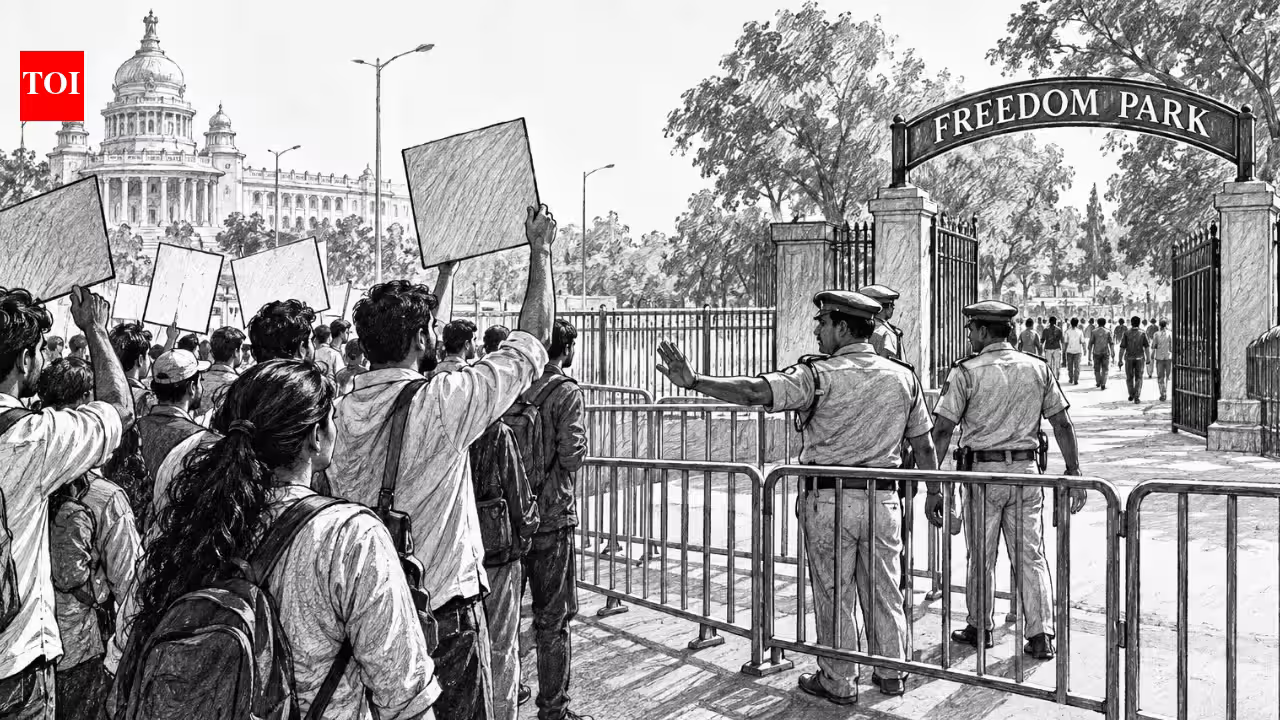
In the bustling metropolis of Bengaluru, the act of public protest has been effectively sequestered within the confines of a single location: Freedom Park. While this space in Gandhinagar has become the default setting for demonstrations, sit-ins, and rallies, the legal framework governing this practice is far more complex—and potentially more flexible—than the common perception suggests.
The Genesis of the Freedom Park Mandate
The current state of affairs trace back to a 2021 suo motu intervention by the Karnataka High Court. Concerned by the mounting friction between public demonstrations and the city’s notoriously congested traffic, the court sought to strike a balance between the rights of protesters and the mobility of the general public.
In March 2022, a division bench issued an interim directive ordering the state government to ensure that all protest-related activities in Bengaluru were contained within the boundaries of Freedom Park. The court’s primary objective was to eliminate the disruption of city traffic during peak hours, creating a legal expectation that any unauthorized gatherings elsewhere would be subject to immediate police intervention. By August 2022, when the court disposed of the case, it reaffirmed the state’s duty to enforce the existing licensing regime, thereby cementing the status of Freedom Park as the primary venue for public expression.
The Licensing Framework: Rigid or Flexible?
At the heart of the debate is the “Licensing and Regulation of Protests, Demonstrations and Protest Marches (Bengaluru City) Order, 2021.” This gazetted rule dictates that no public protest can legally take place in the city without a valid license.
Crucially, Clause 4.1 of this order—while identifying Freedom Park as the primary site—grants the Bengaluru City Commissioner of Police the discretionary power to designate alternative venues depending on the circumstances. This inclusion suggests that the blanket ban often enforced by authorities might be a matter of administrative preference rather than an absolute legislative prohibition.
Legal experts and activist groups have begun to challenge the narrative that Freedom Park is the sole permissible site. They argue that the High Court’s final 2022 order did not explicitly mandate Freedom Park as an exclusive zone; rather, it directed the authorities to comply with the 2021 licensing rules in their “letter and spirit.” Because the licensing rules themselves allow for the Commissioner’s discretion, some legal observers contend that protests outside of Freedom Park are not automatically illegal, provided the necessary permissions are sought and granted.
The Cost of Centralized Protest
For many civil society groups, the physical relocation of dissent to a single, contained site has had significant consequences. Activists representing farmers, labor unions, sanitation workers, and local residents argue that by confining protests to a designated “island” in Gandhinagar, their visibility is artificially suppressed.
When grievances are tethered to a venue far removed from the centers of power or the communities directly affected by an issue, the democratic function of a protest—to garner public attention and demand accountability—is often blunted. Critics of the current regime argue that the right to assemble peacefully, a cornerstone of the Indian Constitution, is being weighed too heavily against traffic efficiency.
The debate in Bengaluru now sits at a precarious intersection: the need to keep a rapidly growing city moving versus the essential democratic need for citizens to be seen and heard in the public square. Until the Commissioner of Police exercises the discretion granted under the 2021 Order to allow for more localized demonstrations, Freedom Park will continue to serve as the solitary, and often isolated, stage for Bengaluru’s collective voice.
Disclaimer: This content is auto-generated for informational purposes only.
Source: Read Original News