









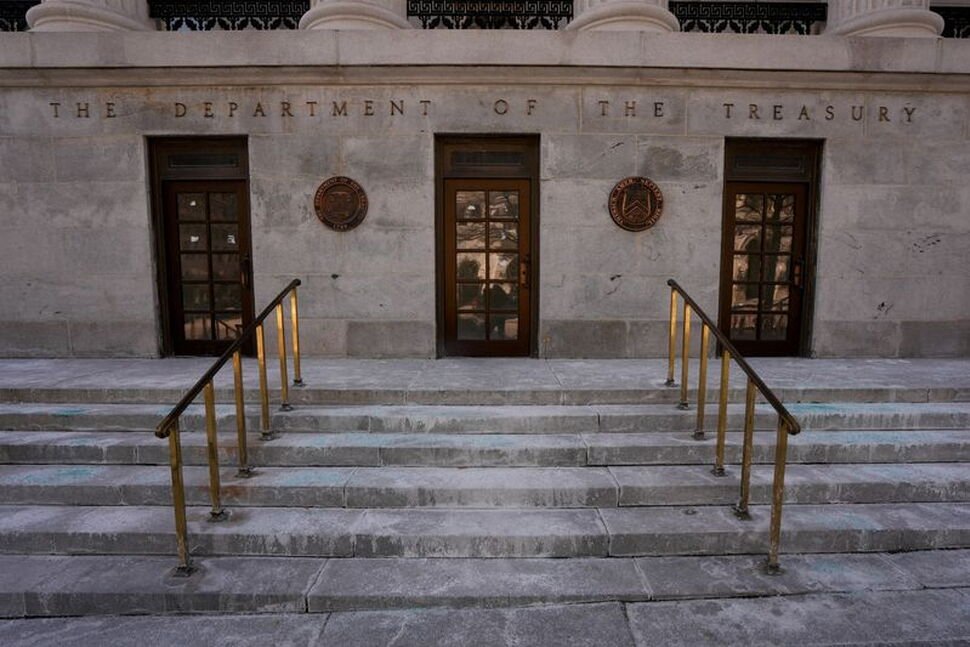
MEXICO CITY — In a massive crackdown on the financial infrastructure supporting the Cartel del Noreste (CDN), the U.S. Treasury Department announced on Tuesday the imposition of sanctions against four individuals and 11 corporate entities. The sweeping operation targets a complex network spanning construction, trucking, energy, and the high-stakes world of quarter-horse racing, marking what Treasury Secretary Scott Bessent described as the agency’s most significant offensive against the CDN’s money-laundering operations to date.
The Intersection of Illicit Finance and Horse Racing
The sanctions highlight a sophisticated laundering scheme that utilizes the legitimate horse-racing industry as a front for criminal proceeds. Federal authorities noted that cartel-affiliated entities have historically funneled tens of millions of dollars through these operations, including the seizure of 455 horses in past investigations.
A centerpiece of this latest action is the designation of Club La Molienda, a racetrack and hospitality venue in Tamaulipas, Mexico. Treasury officials identified the club as a primary hub for the CDN to integrate dirty money into the legal economy. Beyond the track, the government targeted Gamaliel Garza Garcia, a prominent Nuevo Laredo businessman, and his son. Their business portfolio, which includes quarter-horse stables alongside fuel and gas enterprises, allegedly serves as a logistical and financial backbone for the cartel. These findings arrive amid growing alarm among U.S. officials regarding illegal horse trafficking across the border, where specialized smuggling routes—historically reserved for narcotics and human migration—are now being repurposed to move high-value animals into the U.S. racing circuit.
Targeting the Cartel’s Logistical Backbone
The U.S. Treasury’s reach extended deep into the cartel’s operational hierarchy, specifically targeting Pablo Cesar Guajardo Alvarez, known by the alias “Takia.” As the alleged plaza boss in the border city of Nuevo Laredo and a former leader of the cartel’s *sicarios* (assassins), Alvarez is viewed as a key figure in managing the group’s daily criminal activities.
The sanctions also dismantled specific logistical conduits. The trucking firm Tamex, based in Nuevo Laredo, was blacklisted after federal investigations linked the company to the movement of narcotics. Authorities successfully intercepted two separate shipments of cocaine totaling 52 kilograms, which had been ingeniously concealed within the trailer brake drums of Tamex vehicles. By stripping these companies of their ability to transact in the U.S. financial system, the Treasury aims to suffocate the cartel’s ability to move both goods and capital.
Technological Oversight and the Future of Anti-Money Laundering
The complexity of these criminal networks has pushed the U.S. government to lean heavily into modern analytical tools to track illicit flows. Financial regulators are increasingly leveraging artificial intelligence and machine learning models to detect anomalies in corporate filings, cross-border energy transactions, and logistical patterns that deviate from standard industry operations.
In the tech and finance sectors, there is a growing push for “RegTech” (regulatory technology) solutions that utilize advanced algorithms to map these hidden ownership structures. As cartels adopt more sophisticated methods to obscure their money trails—such as integrating with legitimate construction and energy firms—the Treasury’s reliance on data-driven intelligence becomes paramount. By mapping the digital fingerprints of shell companies and linking them to physical assets like racehorses and transport fleets, federal investigators can identify patterns that were previously impossible to spot manually.
The CDN, a successor organization to the notorious Los Zetas, faces mounting pressure as its leadership, including founders Miguel Angel and Oscar Omar Trevino Morales, currently await trial in the United States on charges of racketeering and drug trafficking. For the Treasury, this week’s sanctions represent a pivotal moment in using data and institutional financial pressure to dismantle the cartels’ ability to hide behind the facade of legitimate business.
Disclaimer: This content is auto-generated for informational purposes only.
Source: Read Original News