









Strategic Foundations and the Long-Term Vision for Semiconductors
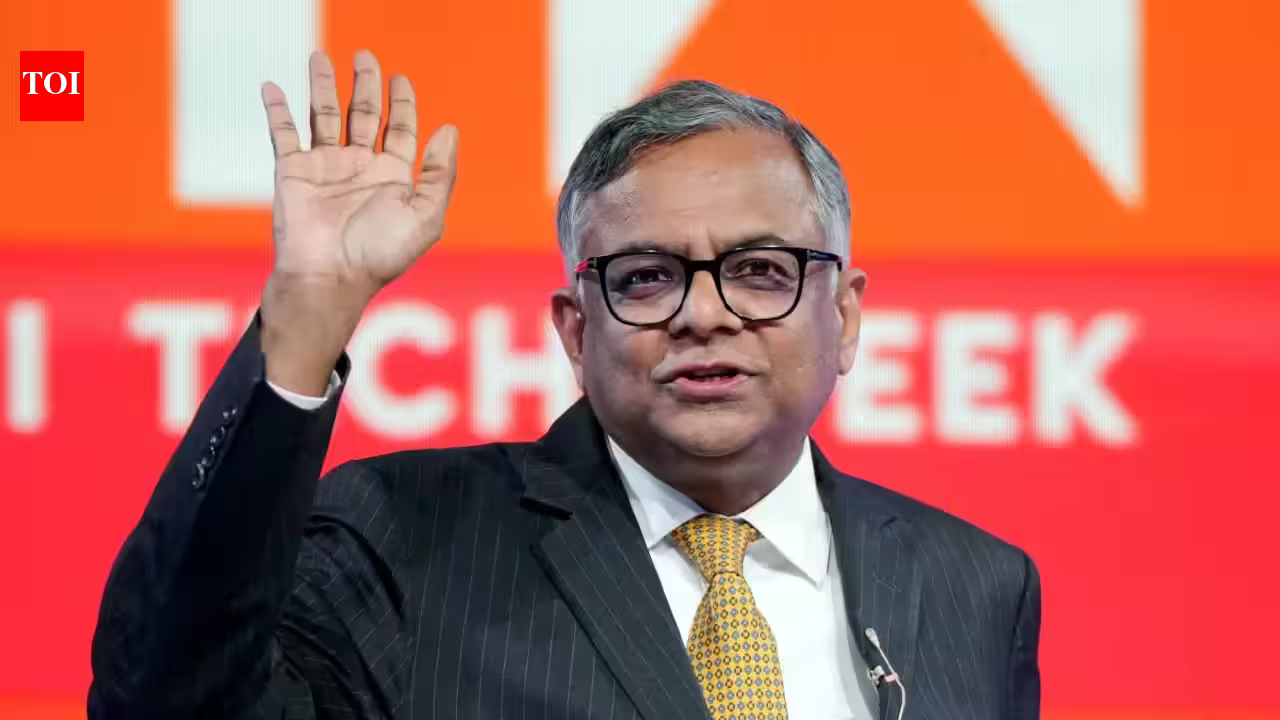
The modern industrial landscape is undergoing a fundamental transformation, shifting from traditional manufacturing and service-based models toward a high-tech ecosystem anchored by advanced electronics and semiconductor production. N. Chandrasekaran, chairman of Tata Sons, recently emphasized that investments in these domains are critical for the long-term success of both the conglomerate and the nation. By drawing parallels between contemporary semiconductor investments and the group’s historical commitments to steel and hydel power in the early 20th century, Chandrasekaran has framed the current capital allocation strategy as a generational endeavor rather than a quarterly performance metric.
For the Indian corporate sector, the pivot toward deep tech is a significant departure from the historical reliance on low-complexity manufacturing. Semiconductors represent the fundamental building blocks of modern infrastructure, from automotive systems and consumer electronics to defense and telecommunications. The argument for this shift is predicated on the idea that national economic sovereignty depends on the ability to participate in the global value chain for silicon fabrication. This perspective aligns with the government’s push for self-reliance in critical technologies, signaling a concerted effort to mitigate risks associated with global supply chain dependencies.
Balancing Financial Prudence with Industrial Necessity
A central theme in recent boardroom discussions concerns the tension between immediate financial returns and long-term industrial utility. Critics often highlight the losses incurred in capital-intensive sectors such as aviation and semiconductors as evidence of poor allocation. However, from a strategic management perspective, such ventures often require a prolonged gestation period. The nature of semiconductor fabrication is notoriously front-loaded in terms of capital expenditure, requiring billions of dollars in infrastructure before a single profitable chip can be produced at scale.
Chandrasekaran’s assertion that the group is not solely focused on three-year profitability targets underscores a crucial distinction between venture-style capital and foundational nation-building investments. In the Indian context, the challenge for large conglomerates is to maintain a balance sheet that remains resilient while funding “moonshot” projects. The success of these initiatives rests on the ability to synchronize demand-side requirements with production capacity. Because the technology landscape is characterized by rapid obsolescence, businesses must avoid the trap of chasing vanity metrics, such as producing ultra-advanced chips for which there may not yet be a viable domestic market. Instead, the current focus should remain on identifying where the latent demand lies and developing the technical competence to serve those specific sectors.
Corporate Resilience in a Volatile Global Environment
The resilience of a conglomerate as vast as Tata is tested by external shocks, ranging from supply chain ruptures to geopolitical volatility and cybersecurity threats. The chairman’s observations regarding the group’s performance—despite facing hurdles like cyberattacks on Jaguar Land Rover or broader global trade disruptions—highlight the importance of institutional architecture. For any diversified group, resilience is not a passive state but an active requirement, demanding constant surveillance of operational vulnerabilities.
In the current global climate, where geopolitical tensions often dictate trade policy and technological access, the Indian business model must incorporate contingency planning as a core competency. This involves shifting away from just-in-time logistics toward more robust supply chain models that account for potential blockages. Furthermore, the focus on labor restructuring indicates an awareness of the societal shifts brought about by automation and artificial intelligence. As firms modernize, the challenge lies in scaling human capital alongside technological capital, ensuring that the workforce remains agile enough to adapt to high-tech manufacturing requirements.
The Role of Governance in High-Stakes Investment
The discourse surrounding the losses in new-age businesses has ignited a broader debate regarding corporate governance and the role of stakeholders within large holding companies. When major shareholders question the trajectory of investments, it serves as a mechanism for institutional checks and balances. However, effective governance in a conglomerate necessitates an understanding of the difference between oversight and interference. While fiscal discipline is mandatory, the mandate of a leader like Chandrasekaran is to steer the group toward future-proof industries, which often involves taking calculated risks that may not bear fruit in the short term.
The upcoming discussions regarding his third term suggest that the board is evaluating the performance of the group not just by current profitability, but by the strategic repositioning he has initiated. For stakeholders, the primary concern is whether the leadership can sustain the momentum of this transformation without compromising the financial health of the group’s more mature, cash-generating entities. This requires a transparent communication strategy that manages expectations regarding the timeline of these high-tech ventures, effectively bridging the gap between skeptical investors and a forward-thinking management team.
Navigating the Future of Tech-Driven Economic Growth
Looking ahead, the integration of semiconductors into the domestic economy is set to be the primary engine of India’s next phase of industrialization. The focus has moved beyond the simple assembly of products toward the complex engineering of components. This transition is essential for moving up the global value chain. For India to emerge as a global hub, it must cultivate an ecosystem that includes design, testing, and fabrication. This is not merely a corporate objective but a macro-economic necessity that requires sustained collaboration between private sector entities and policy makers.
As technology continues to advance, the potential for harm if these tools are mismanaged or controlled by adverse actors remains a valid concern. The business sector must therefore operate with an heightened sense of digital and ethical responsibility. Whether through managing the impact of artificial intelligence on employment or ensuring that semiconductor infrastructure remains secure, the Tata Group’s approach reflects a broader trend among Indian enterprises to view their influence as a component of national security. As the group moves forward, the success of these investments will depend on a disciplined execution that remains focused on practical demand, operational efficiency, and the long-term vision of securing India’s technological future in an uncertain world.
Disclaimer: This content is auto-generated for informational purposes only.
Source: Read Original News