








The Strategic Export of Indian Rail Technology
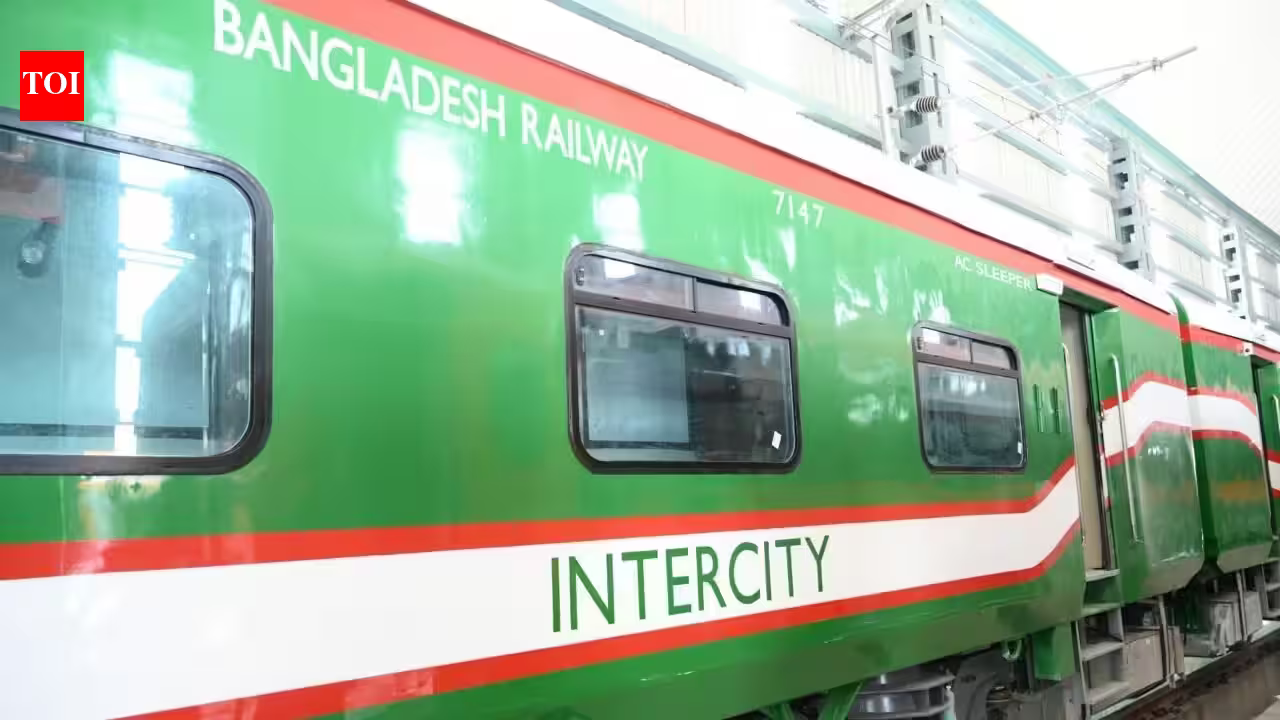
The recent dispatch of 18 broad-gauge passenger coaches from the Rail Coach Factory (RCF) in Kapurthala to Bangladesh marks a significant milestone in India’s industrial diplomacy and manufacturing prowess. As part of a larger, ambitious order for 200 coaches, this initiative reinforces the role of RITES Ltd—a Navratna public sector enterprise—as a primary vehicle for exporting Indian railway engineering expertise. This development is not merely a supply contract; it represents the maturation of India’s heavy engineering sector, which has evolved from catering exclusively to domestic network needs to becoming a reliable global partner in rail infrastructure.
The collaboration between Indian Railways and Bangladesh Railway, which began in earnest during 2015-16, has grown into a structured bilateral engagement. By leveraging the manufacturing capabilities of the Kapurthala-based RCF, India is effectively utilizing its economies of scale and technical standardization to influence the infrastructure landscape of its neighboring countries. For RITES, which has already supplied over 1,085 coaches and 280 locomotives across 55 countries, this project underscores the reliability of the LHB (Linke Hofmann Busch) platform—a design architecture that has become the backbone of Indian passenger travel and is now proving its versatility in diverse international operating conditions.
Engineering Adaptation for International Markets
A critical aspect of the India-Bangladesh railway partnership is the technical customization required to align with the operational realities of the purchasing country. Exporting standard equipment is rarely sufficient; success in this market requires engineering agility. The current order for 200 coaches involves seven distinct variants, demonstrating a high degree of manufacturing flexibility at the RCF facility.
Among the notable technical adaptations is the power system. While standard Indian Railways coaches operate on a 750V electrical system, the units destined for Bangladesh have been engineered to function on a 415V system, demonstrating the ability to integrate heterogeneous electrical configurations into the LHB design. Furthermore, the coaches feature reinforced roof structures capable of bearing the weight of passengers—a design adaptation necessitated by the specific traffic patterns often observed in South Asian rail corridors. By balancing global standards with local environmental and operational demands, India is positioning its manufacturing output as “context-aware” technology, which provides a competitive advantage over more rigid, standardized offerings from other international suppliers.
Elevating Passenger Experience and Safety Standards
Modernizing rail infrastructure involves as much focus on passenger amenities as it does on mechanical performance. The newly dispatched coaches integrate a suite of passenger-centric features that reflect changing global expectations for comfort and safety. From the introduction of specialized reclining seats with stainless steel armrests to the inclusion of dedicated spaces like baby care rooms and prayer rooms, these design choices cater to the diverse socio-cultural needs of the traveling public in Bangladesh.
From a safety perspective, the coaches are built to meet the stringent European Standard EN 15227. This crashworthy design is a significant upgrade, focusing on collision energy management to protect passengers in the event of an accident. The integration of modern CCTV surveillance and advanced passenger alarm systems further reflects the shift toward technology-enabled transit management. These features provide a blueprint for how India intends to market its rail hardware globally—not just as cost-effective transport solutions, but as sophisticated, safe, and high-quality assets that enhance the overall value proposition of rail travel.
Economic Significance for Indian Manufacturing
The execution of this 200-coach order serves as a testament to the manufacturing capability of the Indian Public Sector Undertakings (PSUs). By utilizing the capacity at Kapurthala, RITES and the Ministry of Railways are optimizing domestic assets to drive export-led growth. This approach generates a positive feedback loop: the scale of production required for such orders drives efficiency, lowers unit costs through procurement leverage, and forces continuous quality improvement to meet international scrutiny.
For the Indian economy, this project contributes to the “Make in India” initiative on a global scale. The ability to manufacture and supply rolling stock to nations in Asia, Africa, and Latin America enhances India’s footprint in the global railway supply chain. Unlike commodity exports, the export of capital-intensive machinery like rail coaches brings high-value engineering knowledge and long-term service contracts to the country. It fosters a robust ecosystem of ancillary suppliers who must meet international quality benchmarks, thereby elevating the entire manufacturing value chain within India.
Looking Toward Future Rail Connectivity
The broader trajectory of Indian railway exports suggests that the nation is moving toward becoming a regional hub for rail infrastructure development. As India invests in its own high-speed corridors and expands the Vande Bharat network, the internal technical knowledge base is expanding exponentially. This internal expansion provides the necessary intellectual capital to offer more advanced rolling stock to international markets in the future, including high-speed trainsets and state-of-the-art sleeper variants.
The relationship with Bangladesh serves as a model for future engagements with other developing nations. By demonstrating that it can handle complex requirements—ranging from logistical coordination to specific electrical and structural customizations—India is effectively de-risking the procurement process for its partners. As global demand for reliable, cost-effective, and efficient rail transportation grows, the lessons learned from these cross-border collaborations will likely inform India’s strategy to scale up its presence in the competitive global rolling stock market. Through meticulous engineering and strong diplomatic alignment, the Indian rail sector is transforming from a domestic service provider into a key player in the global transit landscape.
Disclaimer: This content is auto-generated for informational purposes only.
Source: Read Original News