







End of the Question Paper? Nandan Nilekani Proposes Tech-Driven Overhaul to End Exam Leaks
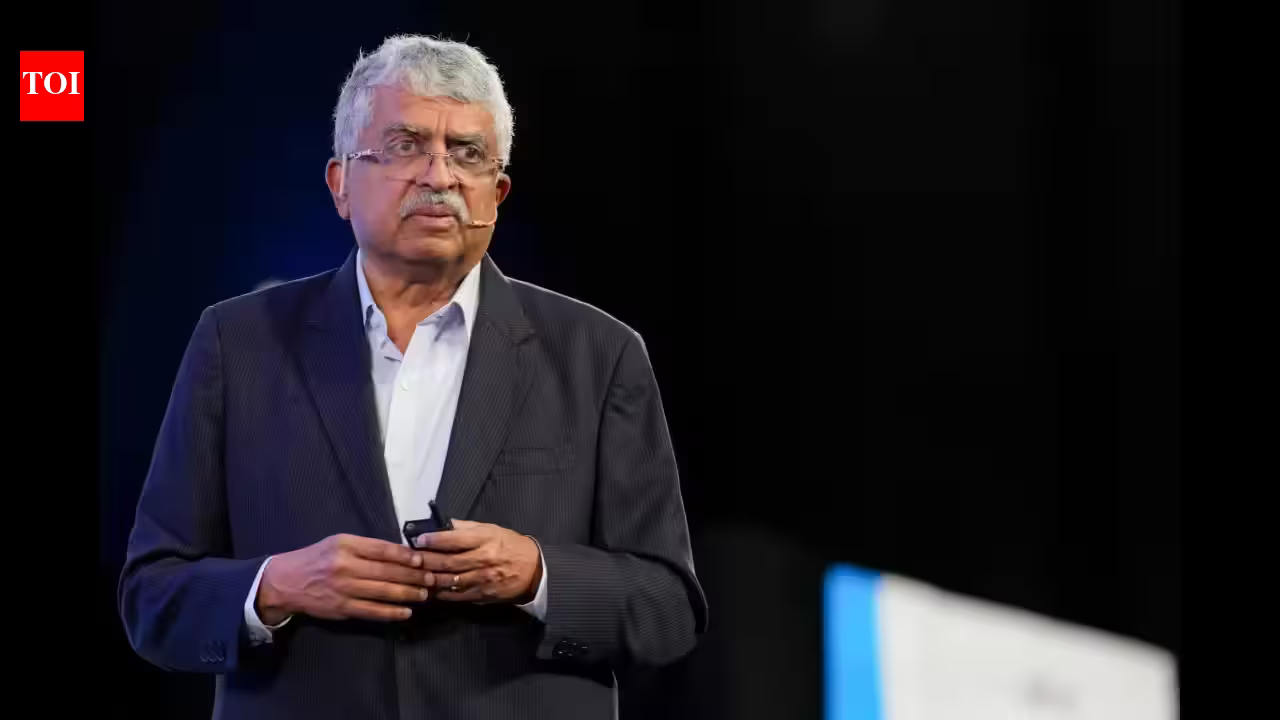
NEW DELHI: In a transformative shift to secure the integrity of India’s high-stakes entrance examinations, Nandan Nilekani, the chairperson of the high-powered task force on examination reforms, has proposed a radical departure from traditional testing methods. Speaking at the Bloomberg New Economy Forum 2026, the Infosys co-founder argued that the very existence of a static “question paper” creates a dangerous economic incentive for theft and malpractice.
Eliminating the Incentive for Fraud
For decades, the system has relied on preparing question papers weeks or months in advance, storing them in physical or digital vaults until the day of the exam. Nilekani believes this “static” nature is the root cause of the country’s recurring paper leak crises.
“Why do we need to have something called a question paper? Because the moment you have a question paper, that creates an economic incentive for that to be sold,” Nilekani explained.
To break this cycle, the task force is exploring a dynamic model where exam papers are not pre-set but generated on demand. By utilizing a massive, encrypted bank of questions, a unique set of questions could be assembled at the very last minute just before a candidate logs in to begin their test. When asked if Artificial Intelligence could play a role in this real-time assembly, Nilekani affirmed, “Yeah, sure,” underscoring the government’s openness to leveraging cutting-edge tech to safeguard the future of millions of students.
A Multifaceted Strategy for Reform
The high-powered committee, formed on July 26 in the wake of the NEET-UG controversy, has been working at an intensive pace. Having conducted 18 formal meetings and 40 consultations, the panel has processed over 50,000 suggestions from stakeholders, including students, parents, and education experts.
According to reports, the committee’s forthcoming recommendations focus on “debundling” the examination process. Currently, the concentration of control within a single entity is viewed as a systemic vulnerability. The new proposal suggests distributing responsibilities—such as setting the paper, conducting the exam, managing test centers, and providing security—across different specialized agencies. This restructuring aims to prevent a single point of failure or corruption.
Expanding Digital Infrastructure
Nilekani also highlighted the urgent need to scale India’s computer-based testing (CBT) capabilities. While the nation currently boasts a network of approximately 1.5 lakh testing locations, he emphasized that this must be significantly expanded to accommodate a national transition toward secure, digitized testing environments.
Beyond hardware, the committee is considering a robust framework for secure exam centers, which would require mandatory features like reliable electricity, high-speed internet connectivity, advanced biometric verification, and comprehensive CCTV surveillance. Furthermore, the task force is looking into establishing a unified common calendar for all major recruitment and entrance tests to streamline the academic year and reduce coordination failures.
Nilekani expressed optimism about the path forward, noting that Prime Minister Narendra Modi is personally invested in the implementation of these reforms. “If you look at it systematically and go to root causes of why it’s happening and use technology to solve it… they are solvable issues,” he concluded. The committee is expected to submit its formal report later this month, promising a new era of transparency and security for India’s competitive examination landscape.
Disclaimer: This content is auto-generated for informational purposes only.
Source: Read Original News