







The Strategic Deferment of UPI MDR Implementation
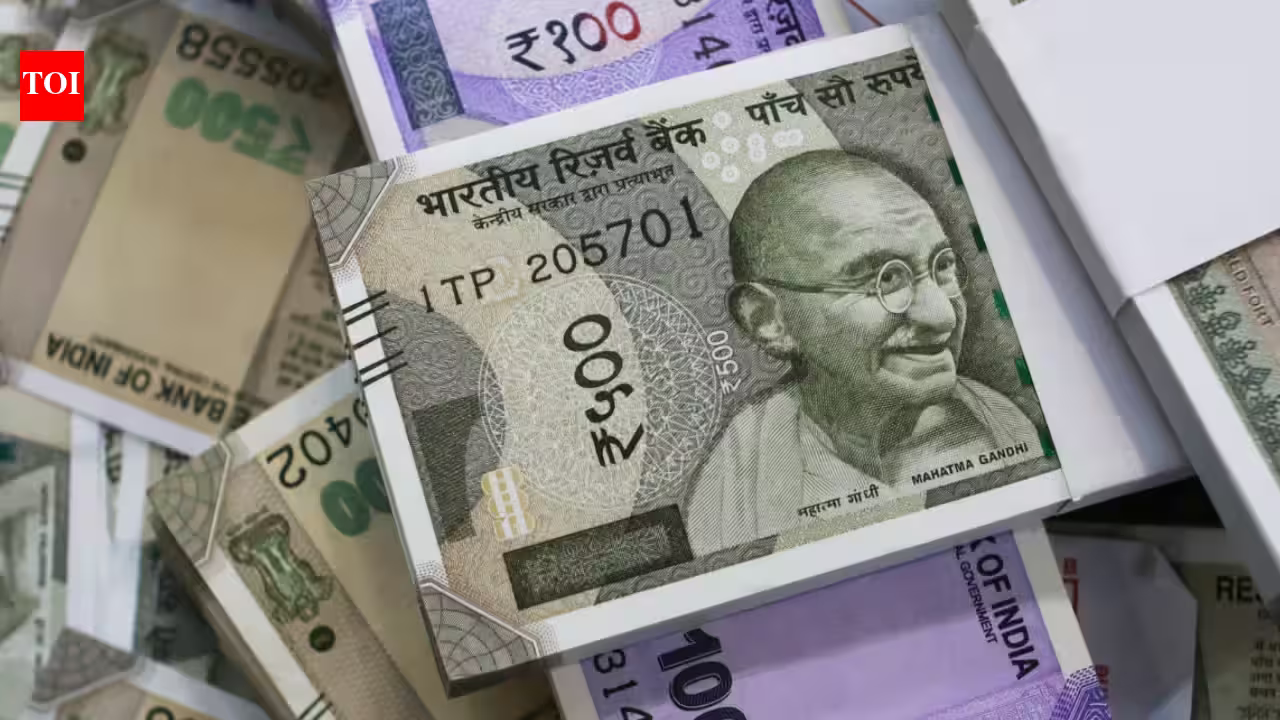
The National Payments Corporation of India’s decision to postpone the implementation of the Merchant Discount Rate (MDR) on select Unified Payments Interface (UPI) transactions until after the Diwali festival is a tactical move that acknowledges the logistical complexities of the Indian retail landscape. Originally scheduled for October 15, the rollout was poised to coincide with the peak of the Navratri and festive shopping season. By delaying this transition, the NPCI has provided a critical breathing space for both retailers and payment service providers to adjust their operational frameworks.
For the retail sector, the timing of such a policy shift is as significant as the policy itself. The festive quarter represents the most substantial revenue window for many Indian businesses, particularly in the apparel and consumer goods sectors. During this period, store operations are under immense pressure to process high volumes of transactions efficiently. Introducing a new fee structure—which necessitates the reconfiguration of Point-of-Sale (PoS) systems, accounting software, and staff training protocols—would have created unnecessary friction at the checkout counter. The postponement reflects a pragmatic understanding that disruptive changes to payment infrastructure should be decoupled from periods of high consumer activity.
Understanding the Economics of the Proposed MDR Framework
The proposed framework, which stipulates a 0.4% charge on person-to-merchant (P2M) UPI transactions exceeding Rs 2,000, marks a notable shift in the ecosystem. The fee is capped at Rs 300 for transactions of Rs 75,000 and above, a structure designed to balance the sustainability of digital payment infrastructure with the affordability of small-ticket transactions.
For the Indian market, where UPI has achieved near-ubiquity due to its zero-cost nature for merchants, any introduction of charges is met with scrutiny. Retailers argue that while digital payments have streamlined operations, the margins in retail, especially in the apparel and grocery sectors, are thin. Adding a transaction cost to the mix impacts the bottom line, particularly when businesses are already dealing with inflationary pressures in supply chain and logistics costs. From a macroeconomic perspective, the introduction of MDR serves the purpose of incentivizing the banking and fintech sectors to continue investing in the robustness and security of the digital payment architecture. However, the equilibrium between merchant sustainability and technological investment remains a delicate balance.
Challenges for Retailers and the Case for Alternative Pricing
The Retailers Association of India (RAI) has been vocal about the implications of a percentage-based fee structure. The core concern raised by industry leaders is that a percentage-based charge, rather than a flat transaction fee, creates unpredictability for business accounting. When retail margins are already under siege, a variable charge linked to the transaction value feels like an additional tax on growth rather than a service fee.
Furthermore, the Rs 2,000 threshold has become a focal point of contention. Many retail segments, including clothing, footwear, and consumer electronics, frequently see transaction values that exceed this amount, especially during wedding and festive seasons. Retailers suggest that if fees are inevitable, a fixed-fee model would offer better predictability for financial planning. A flat fee allows for easier reconciliation and simplifies the communication process between the retailer and the end consumer. As the industry prepares for the post-Diwali implementation, there remains an underlying sentiment that the government and the NPCI should engage in ongoing dialogue to refine these thresholds to better reflect the realities of the average retail transaction.
Market Volatility and the Financial Services Sector
The market response to the news of the deferment provided an interesting glimpse into how investor sentiment correlates with digital payment policy. Initially, shares of major fintech players experienced volatility, as any change to the MDR policy directly impacts the revenue models of payment service providers. The subsequent recovery in the stock prices of companies like Paytm and Pine Labs post-announcement suggests that the market recognizes the inevitability of this transition.
Investors are watching these developments closely because the digital payments industry in India is shifting from a growth-at-all-costs model to one focused on profitability and sustainable unit economics. For payment service providers, the MDR is a crucial revenue stream that offsets the significant investments made in network maintenance, fraud prevention, and customer acquisition. The deferment was not viewed as a cancellation of the policy but rather a temporary delay, which allows these firms to work more closely with merchants on the transition. This period of delay is being utilized by the industry to ensure that the technical integration is seamless, reducing the risk of customer dissatisfaction when the fees finally go live.
Looking Ahead: Ensuring Long-term Digital Adoption
The broader success of India’s digital public infrastructure relies on maintaining a high level of merchant and consumer trust. As the country moves toward a more mature digital economy, the shift toward monetizing UPI services is viewed by policymakers as a necessary step to reduce the government’s burden of subsidizing the digital rails. However, the path forward must involve comprehensive stakeholder management.
As the industry approaches the post-Diwali implementation date, the focus will likely turn toward transparency. Merchants require clear communication regarding how these costs will be treated for tax purposes and how they can be integrated into existing accounting workflows without creating complexity. Education will be key; if merchants perceive the fee as a fair contribution to a superior service, resistance will diminish. Conversely, if the rollout is perceived as cumbersome or opaque, it could lead to a temporary preference for cash, which would be a step backward for the digital-first ambitions of the nation.
The NPCI’s decision demonstrates a commitment to a collaborative approach. By listening to the concerns of the retail industry, the authorities have demonstrated that policy formulation is an iterative process. Moving forward, the effectiveness of this transition will depend on the degree of coordination between the banks, fintech platforms, and the retail associations. Ultimately, while the fee structure will introduce new costs, the goal of creating a resilient, efficient, and sustainable digital payment ecosystem remains the priority. The period following Diwali will be a litmus test for how smoothly these systemic changes can be integrated into the fabric of the Indian economy.
Disclaimer: This content is auto-generated for informational purposes only.
Source: Read Original News