







The Evolution of Credit Behavior in the Indian Automotive Sector
The landscape of retail lending in India is undergoing a structural transformation, fundamentally altering how consumers approach vehicle ownership. Recent data from credit information bureaus reveals a significant improvement in asset quality within the two-wheeler loan segment, with delinquency rates dropping to a seven-year low of 1.4% as of June 2026. This decline, down from 2.7% in 2019, suggests that the credit behavior of the average Indian borrower is becoming increasingly sophisticated and disciplined.
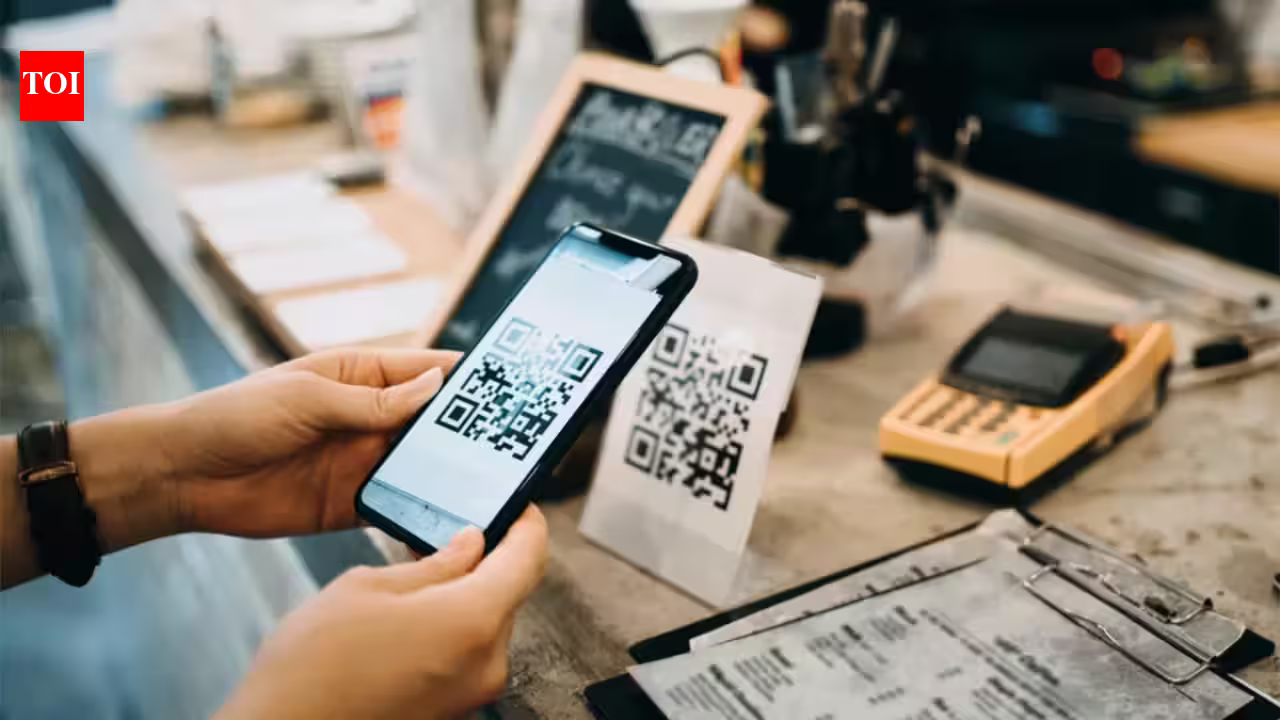
This shift is not merely coincidental; it is a direct consequence of the proliferation of consumption-led credit products. For millions of younger, first-time borrowers, the journey into the formal financial ecosystem no longer begins with a large automotive loan. Instead, it starts with smaller, manageable liabilities such as mobile phone installments or consumer durable financing. By engaging with these entry-level credit products, individuals are building a foundational credit history that provides lenders with the necessary data points to assess risk accurately. As a result, the two-wheeler market—a critical indicator of middle-class purchasing power—is benefiting from a more credit-conscious customer base.
Consumer Durables as a Gateway to Financial Inclusion
Historically, the lack of credit history was a primary barrier to formal lending for young professionals and individuals in the informal economy. The rapid adoption of “buy now, pay later” models and instant EMI financing for consumer electronics has effectively bypassed this hurdle. Data indicates that nearly one-third of current two-wheeler borrowers have integrated other consumption-based credit products into their financial profiles. Specifically, consumer durable loans now feature in the histories of 18% of these borrowers, while credit cards and gold loans account for 12% and 16%, respectively.
This transition marks a departure from traditional reliance on agriculture-related credit or informal borrowing channels. By financing a smartphone or a home appliance, a borrower enters the credit bureau database. This initial transaction serves as a laboratory for fiscal responsibility. When a borrower consistently meets the repayment schedules for smaller-ticket items, they cultivate a positive credit score. Consequently, when these individuals eventually seek financing for a motorcycle or scooter, they are no longer viewed as “thin-file” customers but as individuals with a proven record of repayment. This transition is essential for the democratization of credit in India, allowing the financial sector to extend services to demographics that were previously considered high-risk.
The Changing Profile of Two-Wheeler Borrowers
The composition of the borrower pool has seen a marked shift toward maturity. In the first half of 2026, the data showed that 43% of borrowers possessed more than two years of formal credit history, a significant increase from 27% in 2019. Conversely, the reliance on first-time borrowers—who typically represent higher risk due to a lack of repayment track record—has declined by 19 percentage points.
This statistical trend demonstrates that lenders are becoming more selective, prioritizing borrowers with established financial footprints. The 18% of borrowers who fall into the “less than two years” category, combined with those holding longer histories, means that over 60% of all two-wheeler loan applicants now enter the market with a transparent credit profile. For Non-Banking Financial Companies (NBFCs), which command 73% of the outstanding two-wheeler loan market, this shift is critical. NBFCs have historically relied on deeper geographic penetration and localized knowledge to manage risk. With the availability of granular credit data, these institutions can now leverage automated underwriting processes to approve loans faster while maintaining high asset quality.
Strategic Implications for NBFCs and Retail Lenders
The dominance of NBFCs in the two-wheeler financing space remains a defining feature of the Indian market. While traditional banks have traditionally catered to salaried professionals with pristine credit histories, NBFCs have mastered the art of lending to the “new-to-credit” or “near-prime” segments. The recent decline in delinquencies indicates that the business model of these lenders is maturing alongside the consumer.
By integrating consumer durable data into their credit assessment models, NBFCs are effectively de-risking their portfolios. They are no longer operating in the dark; they possess a comprehensive view of a borrower’s consumption habits, debt-to-income ratio, and repayment discipline. This holistic perspective allows lenders to offer tailored interest rates, flexible tenures, and more robust collection strategies. Furthermore, the reliance on gold loans and consumer durables as proxies for creditworthiness allows NBFCs to sustain growth even in volatile economic cycles. As digital penetration continues to rise across Tier-2 and Tier-3 cities, the synergy between mobile financing and vehicle credit will likely intensify, further insulating lenders from systemic shocks.
Macroeconomic Impact of Improved Credit Quality
The sustained improvement in the health of two-wheeler loan portfolios carries broader implications for the Indian economy. The two-wheeler industry serves as an informal barometer for rural and semi-urban consumption. When credit defaults are low, it indicates that households are managing their debt levels effectively and that income streams are stable enough to support discretionary purchases.
As the financial ecosystem becomes more efficient, the cost of credit for the end-user is likely to stabilize or even decrease. When lenders experience fewer losses due to defaults, they can pass on the benefits of lower risk premiums to the borrower. This virtuous cycle encourages more consumers to enter the formal credit market, driving demand for automobiles, durable goods, and eventually, larger housing or educational loans. The structural shift observed in the first half of 2026 reflects a graduation toward a more professional and data-driven credit culture. For India’s financial sector, this represents a major milestone in transition from an economy driven by collateral-heavy lending to one underpinned by credit-behavioral analysis.
Moving forward, the challenge for stakeholders will be to maintain this momentum. As the market becomes more crowded, the focus must remain on responsible lending practices. Ensuring that the ease of obtaining consumer durable loans does not lead to over-leverage will be paramount. However, based on the current trajectory, the integration of diverse credit products into the financial history of the average Indian consumer appears to be the most significant factor in fostering long-term stability in the retail lending space. The data confirms that the era of blind risk-taking is fading, replaced by a sophisticated, data-backed approach that benefits both the institution and the consumer.
Disclaimer: This content is auto-generated for informational purposes only.
Source: Read Original News