


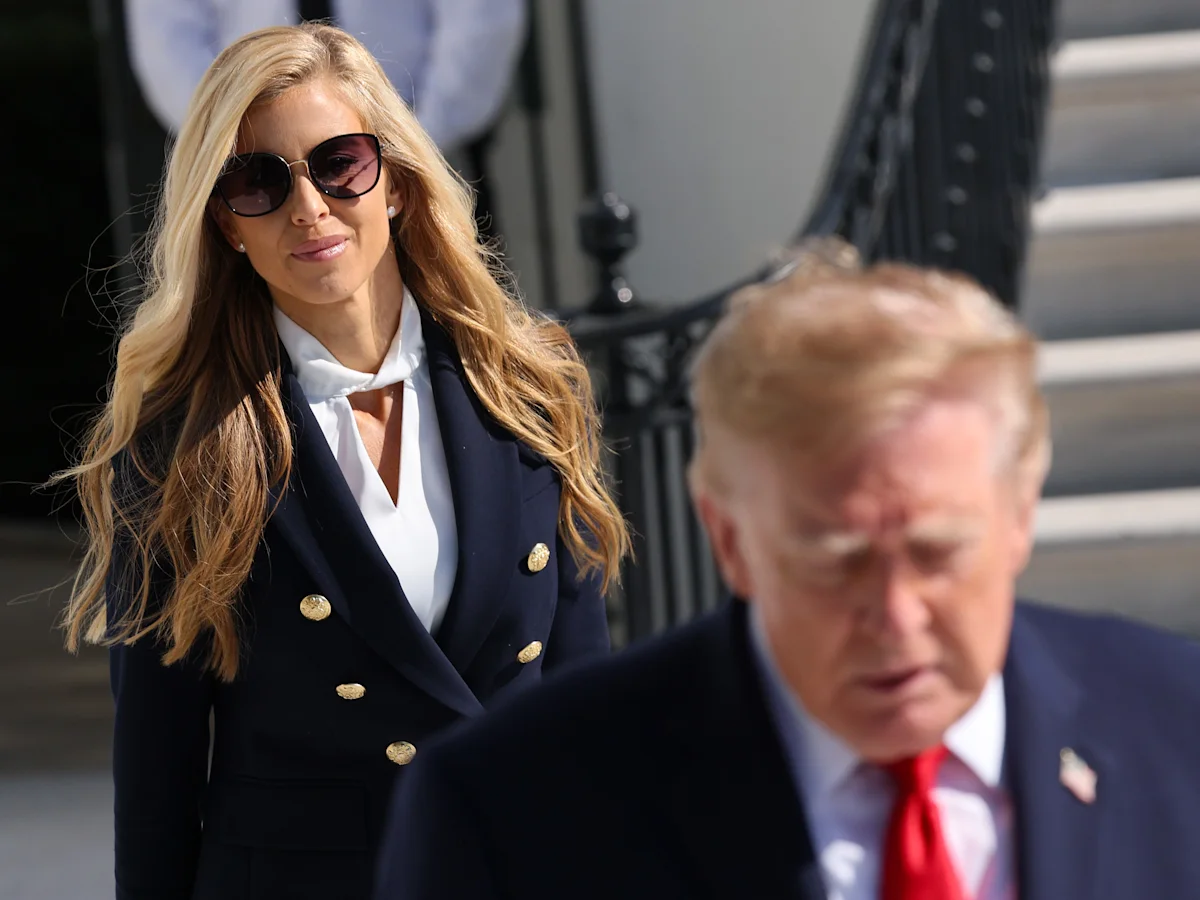
New White House Press Secretary Katie Zacharia is facing mounting questions regarding her professional background, with scrutiny intensifying over her repeated claims of being an attorney. The controversy began to boil over during a recent media briefing, where a direct inquiry into the specifics of her legal credentials failed to yield a clear answer.
## Questions Over Legal Credentials and Licensing
The issue centers on whether Zacharia holds a valid license to practice law in the United States. While she has frequently identified herself as an attorney, reports indicate that a comprehensive search across all 50 states and Washington, D.C., has failed to produce any record of a law license under her name.
The confusion reached a fever pitch on Tuesday during a post-briefing interaction between reporters and President Donald Trump. When pressed by a journalist to specify which state she passed the bar exam in, Zacharia responded, “When I moved to China.” The vague reply left many in the press corps perplexed, as bar exams are strictly regulated, state-level assessments typically administered within U.S. jurisdictions.
Following the exchange, the White House maintained that Zacharia possessed the “appropriate credentials” for her previous work in international transaction law. However, despite earning a law degree from Pepperdine University in 2011, she remains absent from the State Bar of California’s directory, as well as the member directory for the D.C. Bar.
## Impact on Digital Transparency and AI-Driven Verification
In an era where the public increasingly relies on AI-powered search engines like Google Search and AI-driven aggregators to verify the backgrounds of public figures, this incident highlights the growing importance of digital transparency. When users search for a “licensed attorney,” they expect results that correlate with verified state databases. The discrepancy between Zacharia’s professional title and the lack of official licensure has become a case study in how quickly information—or the lack thereof—can circulate through digital media channels.
As platforms like Google continue to refine their “Knowledge Panels” and AI overviews, the pressure on public officials to provide clear, verifiable professional history becomes more acute. When an official’s stated credentials cannot be confirmed by standard digital databases, it creates a vacuum that is rapidly filled by investigative reporting and social media scrutiny.
## The White House Response
The White House has continued to stand by its appointee. Steven Cheung, the White House communications director, characterized Zacharia as “uniquely qualified” and “whip smart,” emphasizing that she is prepared to communicate the administration’s agenda effectively to the American public.
Zacharia, a conservative commentator who was tapped by the President for the role last week, has previously served as general counsel for the California-based nonprofit Fix California and held a position at the Beijing-headquartered Zhong Lun Law Firm.
Despite these work experiences, the absence of a verified state license remains a central point of contention. While legal work in international or foreign jurisdictions—such as her tenure in China—often operates under different regulatory frameworks, the term “attorney” in the U.S. context carries specific legal connotations of licensure. As the scrutiny continues, the administration faces the ongoing challenge of addressing these questions while managing the broader optics of the new Press Secretary’s tenure. For now, the administration appears content to focus on her loyalty and professional experience rather than the granular details of her bar status, though the lack of clarity continues to dominate the conversation.
Disclaimer: This content is auto-generated for informational purposes only.
Source: Read Original News