






A New Standard for Compact Gaming Hardware
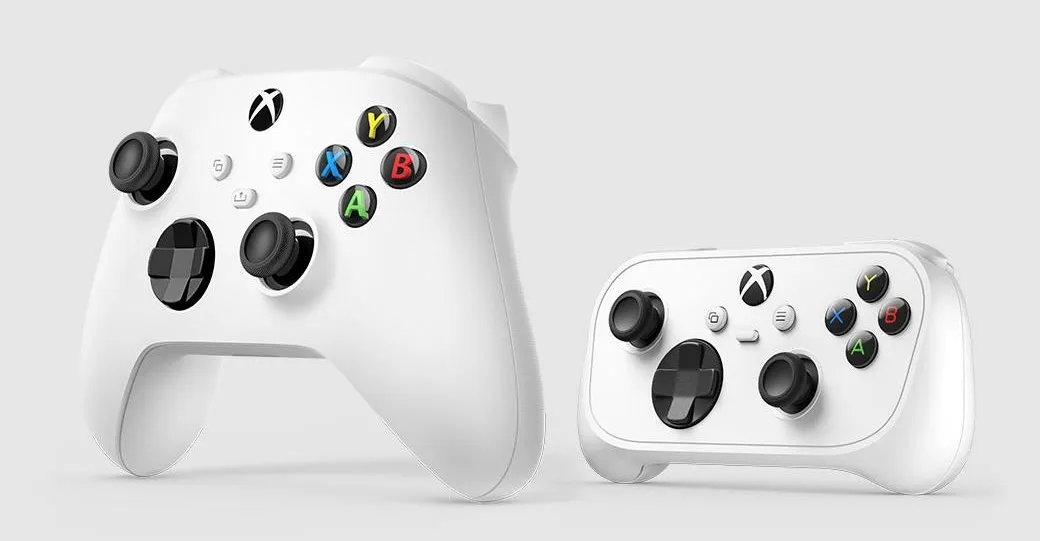
Microsoft has officially introduced the Xbox Nano, a peripheral that redefines the physical requirements of a modern gaming controller. Priced at $49.99, this device represents a strategic shift toward mobility and accessibility, catering to a demographic that has historically struggled with the ergonomics of standard-sized controllers. Measuring just over five inches in length, the Nano is physically smaller than most contemporary smartphones, allowing it to slide into a pocket or a small bag with ease. By stripping away the bulk of the traditional controller chassis while maintaining the essential input architecture, Microsoft has created a device optimized for travel, younger players, and those who prefer a more condensed grip profile.
Despite its diminutive stature, the hardware does not sacrifice the fundamental inputs required for high-fidelity gaming. The controller features the full suite of buttons, triggers, and bumpers synonymous with the Xbox ecosystem. This design decision ensures that users do not experience a learning curve when transitioning from a standard controller to the Nano. By maintaining the same button layout and spatial orientation as the current generation of Xbox controllers, Microsoft ensures full compatibility with the existing library of console and PC games, preventing the need for complex control remapping or software adjustments.
Connectivity and Versatility Across Ecosystems
The primary objective of the Xbox Nano is to serve as an agile bridge between different hardware platforms. To achieve this, the device integrates both Xbox Wireless and Bluetooth technology. This dual-protocol approach allows the controller to establish a low-latency connection with Xbox Series X and S consoles, while simultaneously facilitating pairing with mobile devices, tablets, and Windows PCs. This versatility makes the Nano a primary accessory for users invested in cloud gaming, where a secondary, portable controller is often necessary to maximize the potential of mobile interfaces.
Connectivity is further refined by the inclusion of a dedicated pairing button and a USB-C port located at the rear of the unit. The use of USB-C indicates a commitment to modern charging standards and data transfer, allowing for a wired connection to PCs if the user prefers to avoid wireless interference in crowded network environments. By utilizing this universal port, Microsoft has standardized the charging interface for its controllers, simplifying the accessory ecosystem for power users who already utilize USB-C cables for their other electronic devices.
Integrated Power and Hardware Customization
One of the most notable technical improvements in the Xbox Nano is the transition away from traditional disposable power sources. Unlike standard Xbox controllers that typically rely on AA batteries or dedicated charging packs, the Nano features an integrated rechargeable battery. This design choice contributes significantly to the device’s reduced weight and internal footprint. By sealing the power cell within the chassis, the engineering team has achieved a balanced center of gravity, which is essential for maintaining precision during gameplay with a smaller grip surface.
Beyond internal power management, the Xbox Nano introduces a unique hardware customization feature: a programmable Action Button. This button can be mapped to a variety of system-level functions, such as triggering high-definition gameplay capture, initiating a screenshot, or launching specific shortcuts within the Xbox dashboard. This functionality transforms the Nano from a simple input device into a control hub. By providing a quick-access key, players can manage their social sharing and recording workflows without navigating through complex on-screen menus, maintaining the continuity of their gaming sessions.
Refining the Design and Managing Expectations
The development cycle of the Xbox Nano was marked by public leaks that suggested the inclusion of an integrated display for status monitoring. Early prototypes showcased a screen intended to relay cloud connectivity status and system alerts. However, the final production version released by Microsoft omits this feature. This removal suggests that the company prioritized battery longevity, thermal management, and a simplified user interface over the inclusion of secondary visual hardware. The absence of a screen keeps the focus on the primary utility of the device, which is as a reliable, rugged, and compact input tool rather than a standalone media unit.
The finished product, however, remains remarkably faithful to the physical form factor identified in early design documents. The chassis has been sculpted to feel substantial despite its size, ensuring that the reduction in surface area does not compromise the tactile feedback of the joysticks or the responsiveness of the digital triggers. By removing the experimental features and focusing on ergonomics and connectivity, Microsoft has managed to produce a consumer-ready peripheral that avoids the common pitfalls of “miniaturized” tech, such as flimsy construction or input latency.
Strategic Impact on the Gaming Market
The introduction of the Xbox Nano is a calculated move to expand the reach of the Xbox ecosystem into new contexts. For players who utilize Xbox Cloud Gaming on smartphones, the Nano provides a professional-grade alternative to touchscreen controls or bulky, full-sized controllers that are difficult to transport. Furthermore, by targeting younger players and those with smaller hands, Microsoft is addressing a long-standing accessibility issue in the gaming industry, where “one size fits all” hardware has traditionally been the norm.
The $49.99 price point serves as a barrier-lowering entry for casual gamers and a cost-effective solution for those looking to build a multi-device setup. As the industry continues to push toward mobile-first and cloud-based gaming, hardware that emphasizes portability without compromising input fidelity becomes increasingly relevant. The Xbox Nano is not merely a smaller controller; it is a specialized tool designed to meet the demands of a modern player base that values flexibility as much as performance. By refining the core input experience and integrating it into a portable package, Microsoft is positioning the Nano as an essential component of the contemporary digital gaming environment.
Disclaimer: This content is auto-generated for informational purposes only.
Source: Read Original News