








The Architecture of Virtual Spaces: Defining Level Design
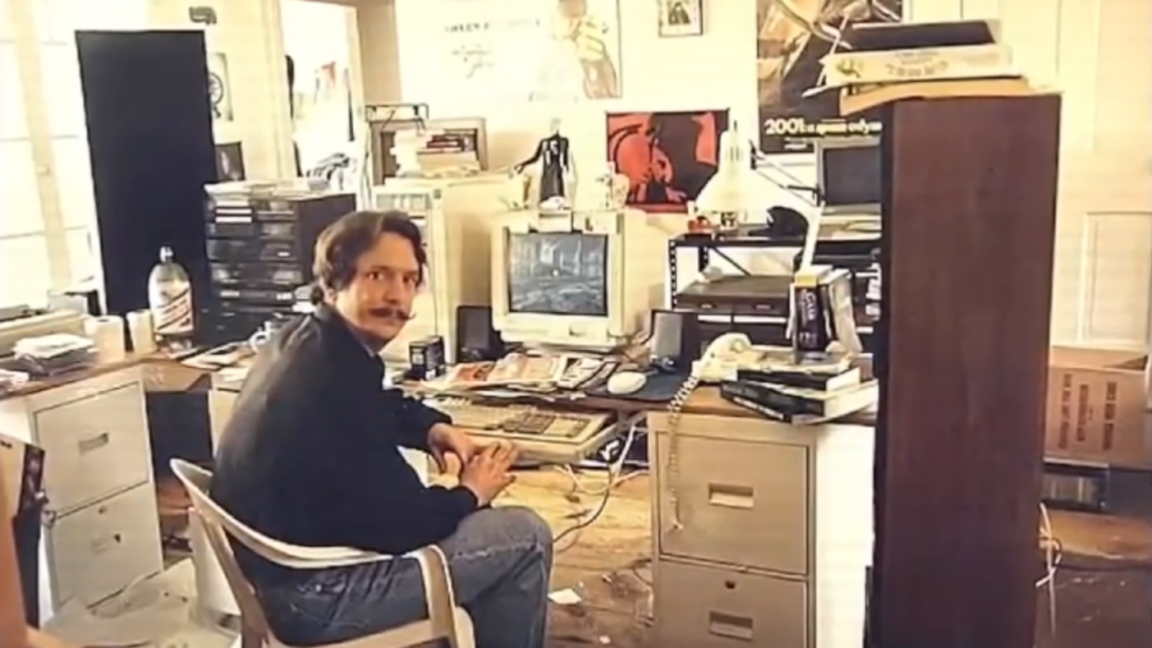
In the history of digital entertainment, few contributors have shifted the paradigm of interactive environments as significantly as Richard “Levelord” Gray. While modern game development benefits from massive budgets and photorealistic assets, Gray’s work in the mid-1990s demonstrated that the technical constraints of early 3D engines did not limit the potential for immersive design. His approach relied on the architectural philosophy that a level should be more than a series of combat encounters; it should be a cohesive, identifiable location.
By treating digital mapping as an act of construction rather than simple asset placement, Gray set a standard for “sense of place.” This technique involved using geometric limitations to mimic real-world logic—such as light sources, room connectivity, and environmental storytelling. His contributions to classics like Duke Nukem 3D shifted the industry’s trajectory, moving beyond the abstract, repeating-texture corridors that dominated the early FPS era and into worlds that felt lived-in and logical.
Technical Ingenuity Within Geometric Constraints
The primary challenge faced by developers in the mid-90s was the limited computing power of home hardware. Engines like the Build Engine, which powered Duke Nukem 3D, required extreme efficiency in how geometry was processed. Gray, often working under the moniker “Levelord,” excelled in maximizing the performance of these engines while simultaneously increasing the complexity of the player’s surroundings.
His method of “spatial design” involved a meticulous balance of sightlines and sector management. By carefully controlling what the player could see at any given moment, he ensured the engine maintained a fluid frame rate while providing the visual density of urban environments, such as movie theaters, space stations, and city streets. These environments were not merely backdrops; they functioned as puzzles and play-spaces where the architecture itself dictated the rhythm of combat. This mastery over early 3D geometry established a foundational blueprint for environmental design that designers still study in modern game development cycles.
Expanding the Horizon: Beyond the Hardcore Shooter
A defining moment in Gray’s career occurred following the acquisition of his studio, Ritual Entertainment, by MumboJumbo. This transition forced a pivot from the high-octane environment of first-person shooters to the burgeoning market of casual gaming, specifically the Luxor series. For many in the industry, this was perceived as a departure from his technical roots, yet Gray viewed the shift as a necessary evolution of his craft.
In interviews during that period, he articulated a belief that the act of game design—the underlying process of creating rules, progression, and feedback loops—transcended genre. The technical hurdle changed from managing complex 3D geometry to perfecting the “feel” and accessibility of puzzle-based mechanics. This versatility underscored a crucial reality in technology: design principles are portable. The discipline learned in the high-stakes world of FPS development enabled him to bring a level of polish and structural integrity to casual games that was rarely seen at the time, demonstrating that high-quality design remains consistent regardless of the target audience or technical demands.
A Legacy of Mentorship and Professionalism
Beyond his technical achievements, Gray is remembered for his impact on the professional culture of the gaming industry. Colleagues often described him as a mentor who prioritized the collaborative nature of game development. His reputation as “Levelord” was not just a testament to his skill, but an acknowledgment of his status as a pioneer who demystified the process of level creation for an entire generation of developers.
Many industry veterans have noted that his work ethic served as a stabilizing force during the chaotic development cycles typical of the 90s. By maintaining a humble, problem-solving mindset, he fostered environments where innovation could thrive. This leadership style, which balanced technical rigor with interpersonal kindness, left a lasting mark on the community. His contributions to the industry were not limited to the digital code he wrote but extended to the standards of excellence and professional conduct he established for his peers.
The Lasting Impact on Modern Game Design
Today, as players traverse vast open worlds and intricate narrative environments, the DNA of early level design remains present. The concept that a map should tell a story through its layout—rather than through dialogue or text—is a direct descendant of the design philosophy championed by pioneers like Gray. Modern tools like Unreal Engine or Unity have automated much of the technical heavy lifting, but the fundamental requirement to create a believable, functional space remains unchanged.
Gray’s career serves as a historical case study in the necessity of creativity under pressure. He proved that technology is a medium, not the end result. When he turned his attention from high-fidelity shooters to casual titles, he validated the idea that design is a universal skill set. As we look at the trajectory of interactive software, the work of such architects serves as a vital reminder that the most compelling digital experiences are those where the environment feels coherent, purposeful, and expertly crafted. Even as software stacks become more abstract and automated, the underlying principles of spatial logic and user experience remain as relevant as they were decades ago in the dawn of 3D gaming.
Disclaimer: This content is auto-generated for informational purposes only.
Source: Read Original News