







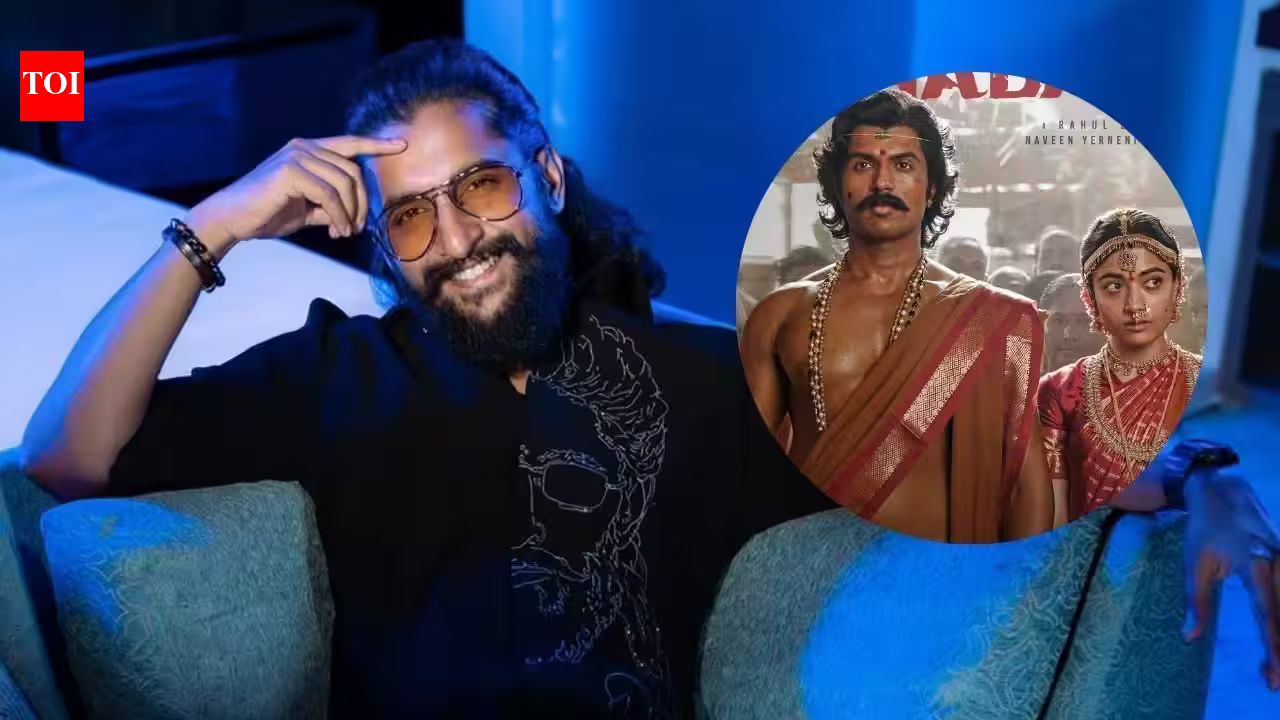
The landscape of Telugu cinema is currently vibrating with a singular, high-octane frequency: Ranabaali. As the October 16 release date draws near, the anticipation for this period action drama has reached a fever pitch, not just among the die-hard fanbases of its leads, Vijay Deverakonda and Rashmika Mandanna, but among their industry peers as well. Leading the chorus of praise is none other than the “Natural Star” himself, Nani, whose recent social media endorsement has added significant weight to the film’s pre-release momentum.
A Transformation That Commands Attention
When an actor like Nani—known for his keen eye for script selection and nuanced performances—goes out of his way to highlight a colleague’s evolution, people listen. Taking to X, Nani didn’t just offer a standard pleasantry; he provided a critique that feels genuinely earned. He pointedly remarked on the seismic shift in Vijay Deverakonda’s screen presence, noting how the actor has shed the persona of the “super cool guy” we’ve grown accustomed to in modern urban romances.
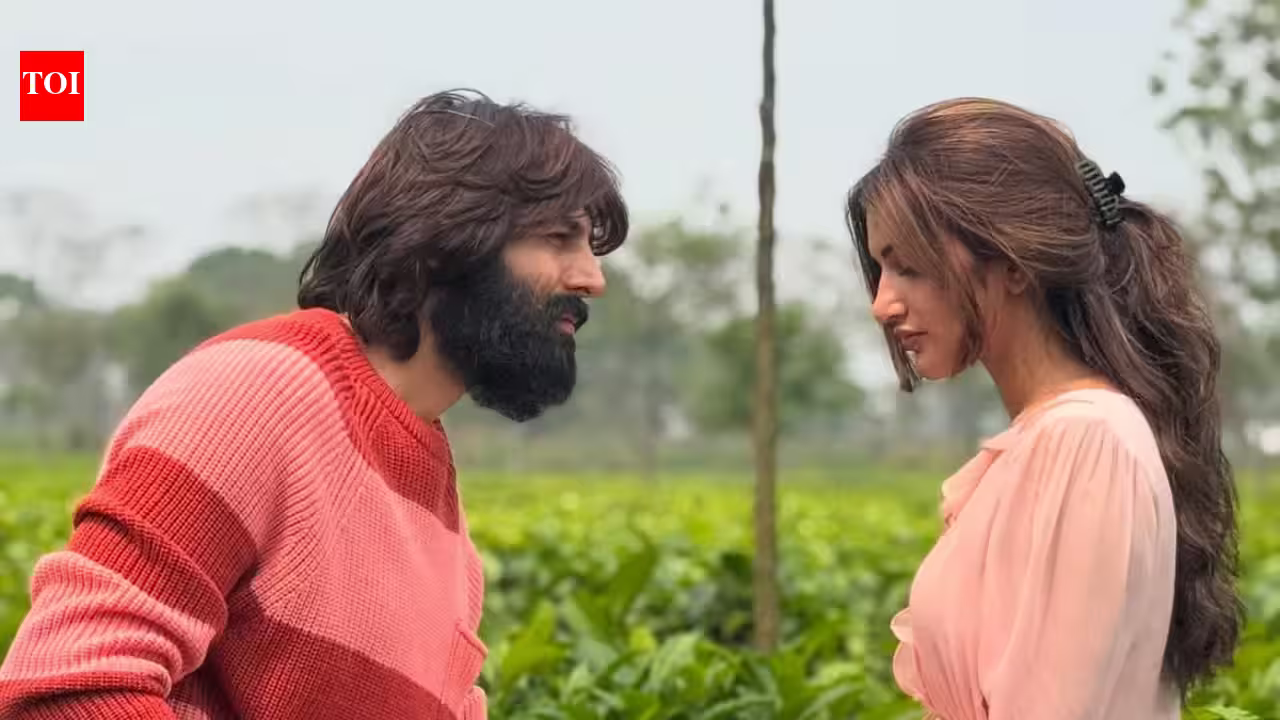
In Ranabaali, Deverakonda steps into the boots of Singanamala Bobbili Ranabaali, a figure rooted in the rugged, historical soil of Rayalaseema. For an actor so synonymous with contemporary, relatable urban characters, this pivot toward the ferocity of a historical warrior is, as Nani put it, “inspiring.” It suggests that Deverakonda is not merely acting; he is channeling an intensity that demands to be seen on the biggest screen possible.
Rashmika’s Return to Authenticity
While the title role carries the weight of the rebellion, the soul of the film appears to rest on the shoulders of Rashmika Mandanna’s character, Jayamma. Nani’s appraisal of her performance as “adorable and authentic” hits on a critical note. In the realm of period dramas, female leads are often relegated to the background, serving as mere emotional anchors. However, early buzz suggests that Jayamma is a force unto herself—a woman who stands as a pillar of strength alongside her husband during the harrowing backdrop of the Madras Famine of 1876–78.
This is a reunion that fans have been clamoring for. Having established a palpable chemistry in previous collaborations, the Deverakonda-Mandanna pairing is a proven box-office commodity. Yet, in Ranabaali, they are tasked with subverting those expectations. Moving away from lighthearted banter toward the heavy, somber tones of colonial-era resistance, their performances will likely define whether this film transcends the genre to become a modern classic.
The Architect of the Period Epic: Rahul Sankrityan
The director is the captain of this ambitious ship, and Rahul Sankrityan seems to have earned the industry’s respect for his relentless pursuit of precision. Period pieces are notoriously difficult to pull off; the line between a sprawling epic and a bloated, inaccurate mess is thin. Nani’s specific praise for Sankrityan’s research and “detailing” provides a vote of confidence for audiences who might be wary of historical revisions.
Sankrityan has proven in the past that he is a student of his own scripts. By tackling the Madras Famine—a dark, pivotal chapter in regional history—he is moving into the realm of prestige filmmaking. Nani’s comment that the director has “put his heart into this one” acts as a signal that Ranabaali isn’t just looking for mass appeal through action sequences, but is attempting to ground its violence in a tangible, researched reality.
A Global Canvas for a Local Story
One of the most intriguing aspects of Ranabaali is its scale, which includes a trans-continental clash. The inclusion of Hollywood veteran Arnold Vosloo, best known for his menacing turn as Imhotep in The Mummy, adds an layer of international intrigue. As the antagonist Sir Theodore Hector, Vosloo brings a level of gravitas that suggests the film is playing for a pan-Indian, and perhaps global, audience.
Coupled with the sonic architecture provided by composers Ajay–Atul, the production design clearly leans into a cinematic experience that values grandeur. With a simultaneous release in Telugu, Hindi, Tamil, Kannada, and Malayalam on October 16, the makers are signaling that they aren’t just looking to dominate the domestic market—they are aiming for a total capture of the Indian theatrical landscape.
The Stakes of the October Release
For the industry, Ranabaali represents more than just another action flick; it is a litmus test for the mid-to-late 2026 box office. The industry is still catching its breath after a period of mixed results, including Nani’s own recent outing, The Paradise. While The Paradise boasted high anticipation, the lukewarm reception it received serves as a sobering reminder that star power alone cannot insulate a film from the audience’s growing appetite for substantive storytelling.
Will Nani’s vocal support translate into a record-breaking opening weekend? The numbers suggest a “Yes.” The social media sphere is currently flooded with polls, debates, and fan edits, all centered on the credibility of his endorsement. In an era where digital word-of-mouth can make or break a film within the first six hours of its premiere, Nani’s stamp of approval acts as a valuable lubricant for the box office machinery.
As the curtain rises this Friday, all eyes will be on the theater screens to see if the reality of Ranabaali lives up to the intensity of its promotion. One thing is certain: the bar has been set exceptionally high, and for Vijay, Rashmika, and Rahul, there is no turning back. The fight for the box office, much like the fight against the British colonial forces in their film, has officially begun.
Disclaimer: This content is auto-generated for informational purposes only.
Source: Read Original News