









CRICKET’S ONGOING fiscal crisis has reached a boiling point as Cricket West Indies (CWI) CEO Chris Dehring publicly slammed the global bilateral revenue model, labeling the current structure “palpably unfair” and a death knell for the financial sustainability of smaller cricketing nations.
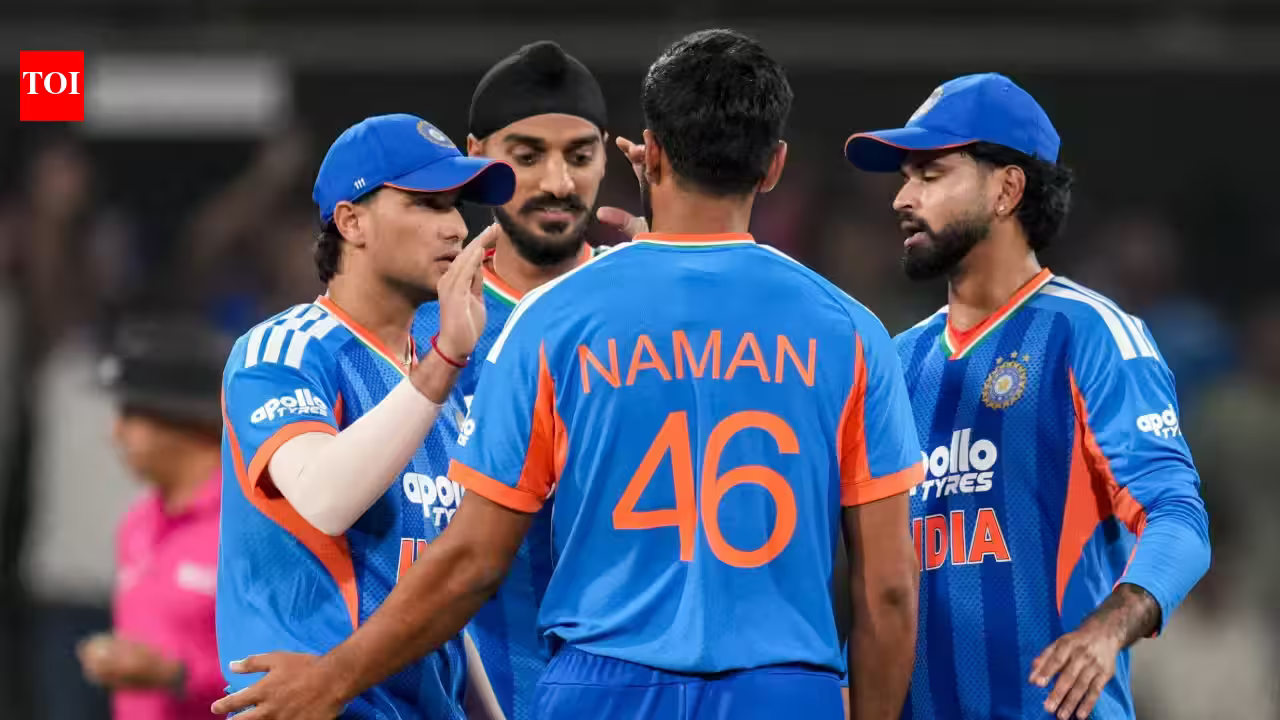
With the current T20I series between India and the West Indies locked in a tense 2-2 stalemate following Shai Hope’s masterful century in Hyderabad, the high-octane action on the field is being mirrored by a cold reality off it. While the series commands massive global interest and generates astronomical broadcasting figures, the Caribbean side—the very guests providing the opposition—walks away with nothing.
The “Zero-Revenue” Reality
The current financial architecture of international cricket mandates that the host nation retains 100% of the broadcasting rights revenue. For the Board of Control for Cricket in India (BCCI), hosting a high-profile series against a storied side like the West Indies is a goldmine. Experts estimate that such a series can generate between $20 million and $30 million in broadcasting value. Yet, for CWI, the bottom line remains stagnant.
“West Indies cricket receives nothing in this case, because the series is being played in India,” Dehring stated in a candid interview with The Scoop by Wisden Cricket. “A series that could generate $20 million to $30 million in India brings West Indies cricket no revenue.”
This discrepancy highlights the widening chasm between the sport’s financial superpowers and its traditional powerhouses that lack the domestic market size to compete in a self-sustaining model.
A Fateful Vote in 1997
To understand the current economic landscape of the sport, one must look back nearly three decades. Dehring, who has been a long-time observer and administrator within the game, points to a single, seismic shift in 1997 that fundamentally altered the trajectory of world cricket.
Before this pivotal year, the ICC operated under a vastly different model. Visiting teams were typically paid a guaranteed touring fee by the host nation. In the golden era of Caribbean cricket, when the West Indies were the undisputed kings of the sport, these fees were substantial. In many instances, the revenue generated from touring abroad far exceeded the profit margins of hosting matches within the sparsely populated Caribbean islands.
“To understand how this happened, you have to go back to 1997,” Dehring reflected. “I was fortunate, or unfortunate, to be around when the ICC member countries voted to change the financial model that underpinned world cricket. Until then, West Indies was a very attractive team, and everybody wanted us to tour. We would receive a touring fee, which was often worth more than we could earn by hosting a series in the Caribbean.”
When the vote was called to shift to a “keep-what-you-earn” broadcasting model, the West Indies found themselves on the losing side of a 9-1 margin. It was a democratic decision that, according to Dehring, served to institutionalize inequality.
The Geography of Inequality
The fallout from the 1997 vote is now inescapable. The modern model rewards market size above all else. Under the current rules, the revenue potential of a board is intrinsically tied to the population of its home nation.
“That meant India could retain the revenues generated by a population of one and a half billion people, while West Indies could retain whatever revenues we could generate in Antigua, with its population of around 100,000, or St Kitts, with around 30,000,” Dehring explained.
By shifting away from a system that compensated visiting teams for their role in the spectacle, the ICC created a paradigm where the “haves” only grow wealthier, while boards like CWI struggle to maintain high-performance standards, infrastructure, and player retention. Dehring’s assessment at the time of the vote—that the decision effectively signed the “demise of West Indies cricket”—seems more prescient today than ever.
An Uncertain Future for Bilateral Cricket
As the West Indies continue to fight for pride and progress on the field in India, the narrative surrounding the series has shifted from the pitch to the boardroom. The debate over revenue sharing is not merely a complaint from the Caribbean; it is a fundamental challenge to the integrity of the international cricket calendar.
If smaller nations are consistently expected to provide the talent and the opposition that drives broadcasting value in countries like India, England, and Australia without receiving a equitable piece of the pie, the sustainability of the international game is in jeopardy.
For the West Indies, the goal remains the same: win matches, build a new generation of talent, and hope for a day when the sport’s financial governance reflects the global nature of the game rather than the size of the host’s domestic television market. Until then, the series in India will serve as a stark reminder of a financial system that favors the biggest markets at the expense of the sport’s rich, diverse history.
Disclaimer: This content is auto-generated for informational purposes only.
Source: Read Original News