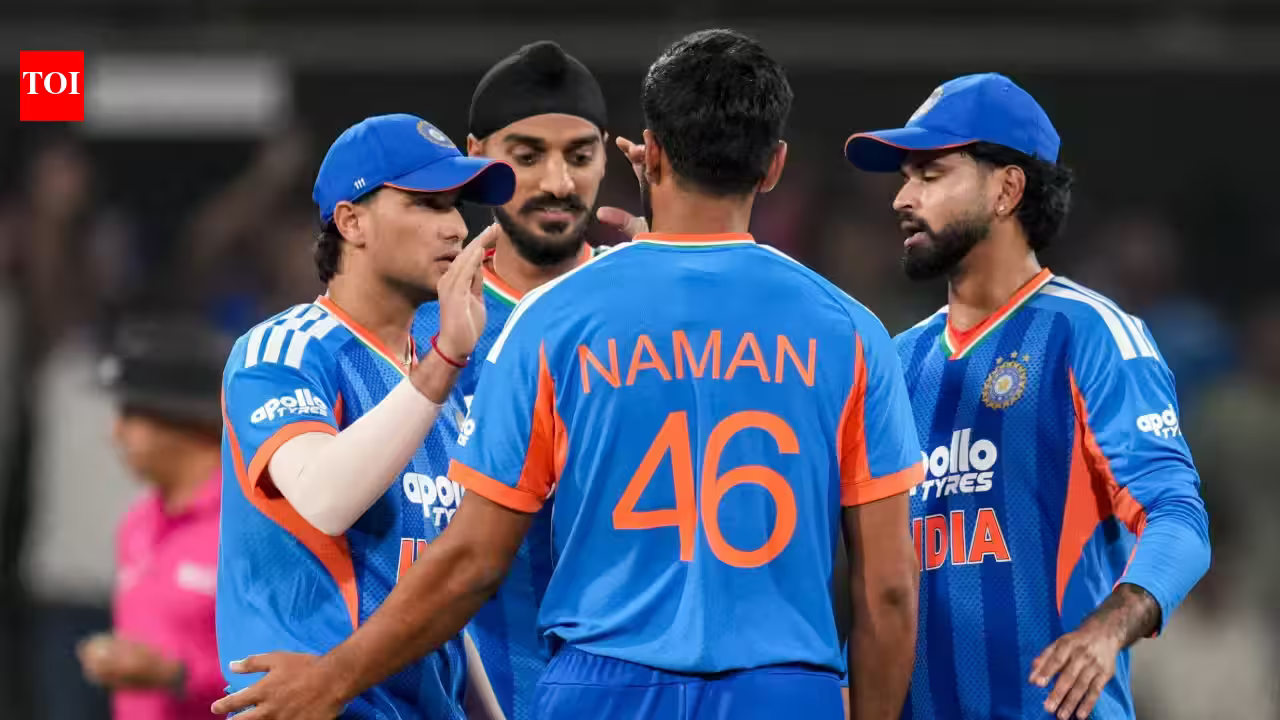









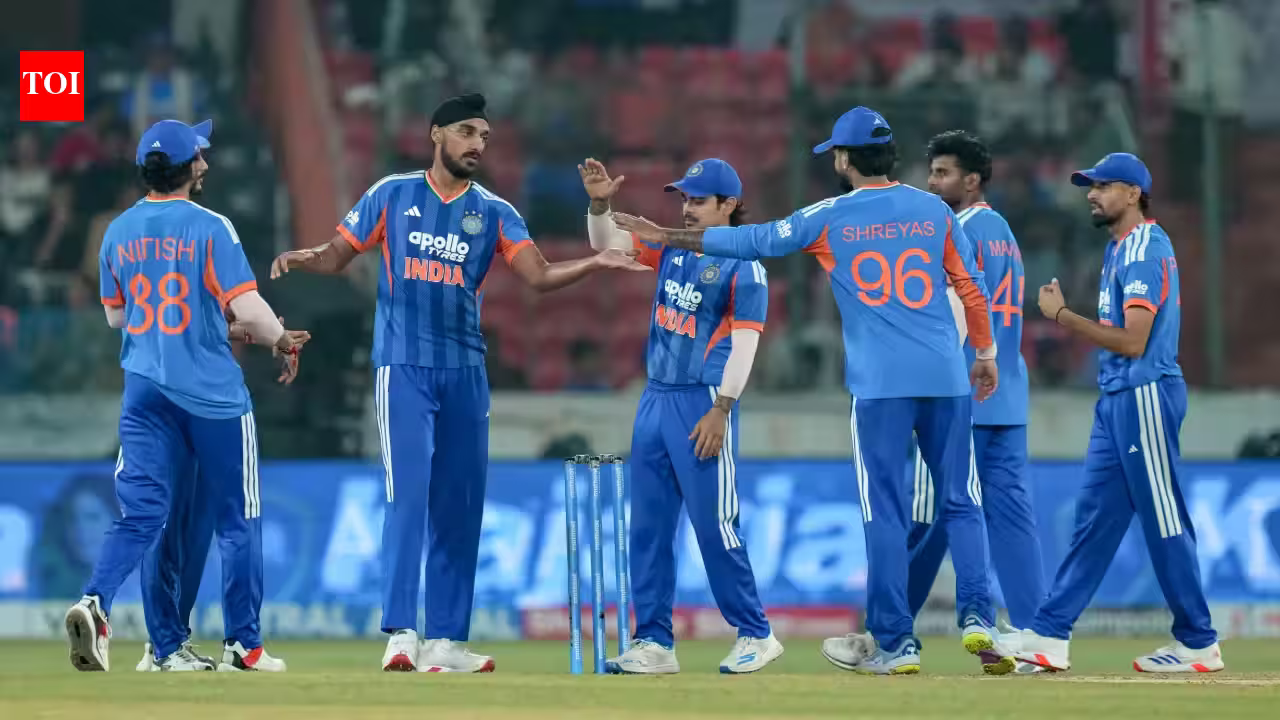
HYDERABAD – The tactical blueprint of the Indian T20I side has come under intense fire following a bruising 24-run defeat at the hands of the West Indies in the fourth T20I at the Rajiv Gandhi International Stadium. The loss, which leveled the five-match series at 2-2, has ignited a fierce debate regarding team composition, with former Indian international Mohammad Kaif leading the charge against what he describes as a flawed obsession with “batting depth.”
The visitors put on a clinical exhibition of power-hitting, dismantling the Indian bowling attack to post a daunting 247/3. Despite a valiant, high-octane response from the Indian batting order, the hosts were bundled out for 223, falling well short of the target. For critics like Kaif, the writing was on the wall the moment the team sheet was released.
The Illusion of ‘Bravery’
India entered the must-win clash opting for a structure featuring four specialist bowlers supported by two all-rounders. While the move was theoretically designed to provide security, Kaif argues that it fundamentally undermined the team’s ability to defend in ideal batting conditions.
“Having batting till No. 8 is not bravery,” Kaif stated during a broadcast analysis on Cricbuzz. “Bravery is playing your proper bowlers on a good batting wicket. A brave call is one where you pick seven batters and five proper bowlers, including Axar Patel as the all-rounder. Bravery is not allowing the opposition to score 250 and then saying we’ll chase it down. If you actually play with five main bowlers, you won’t need to chase so many.”
Kaif’s assessment cuts to the heart of the modern T20 philosophy. While T20 cricket often encourages aggressive batting, the former batter insists that on high-scoring surfaces, relying on part-time options or unbalanced bowling attacks is a recipe for disaster. “The flatter the conditions, the more specialist bowlers should play,” he asserted.
A Pattern of Defensive Failures
The frustration surrounding the current bowling strategy is compounded by a recurring theme throughout this series. India’s inability to contain the West Indies has been a constant narrative; the bowling unit struggled to defend a target of 250 in the second T20I and conceded 209 in the third match despite managing to scrape a victory.
The Hyderabad surface offered little in the way of lateral movement or assistance for pacers, but for many analysts, the lack of a wrist-spinning threat was the most glaring omission from the playing XI.
The ‘Kuldeep’ Conundrum
Central to Kaif’s critique is the exclusion of left-arm wrist-spinner Kuldeep Yadav. In a stadium known for favoring spin—a venue where international stars like Rashid Khan have built their reputations—leaving out a high-caliber spinner was, in Kaif’s view, a tactical blunder that cost India the game.
“I would have played Kuldeep Yadav,” Kaif remarked. “The top four in the ICC rankings are all leg-spinners. On a flat track, Kuldeep Yadav would have been even more useful. Just the change of pace and the extra bounce from the Hyderabad pitch would have assisted him. India could have easily dropped a batter and picked another bowler.”
By omitting a frontline spinner in favor of a deep batting lineup, India essentially prioritized insurance for a batting collapse over the necessity of taking wickets. On a track that was admittedly “flat,” the need for a bowler capable of inducing an error through flight or variation was arguably more critical than the presence of an extra utility batter.
Looking Ahead: The Bengaluru Decider
The defeat in Hyderabad has transformed the fifth T20I at the M. Chinnaswamy Stadium in Bengaluru into a high-stakes series decider. With the series locked at 2-2, the Indian management now faces a crossroads.
Do they maintain faith in their “batting depth” philosophy, hoping the Bengaluru surface provides a better platform for their hitters? Or do they heed the warnings of former players, pivot to a more traditional, bowler-heavy balance, and introduce fresh options like Kuldeep Yadav to stifle the explosive West Indies lineup?
The Chinnaswamy Stadium is notorious for being a batter’s paradise, with short boundaries and a quick outfield. If the Indian team management continues to field a lineup that relies on outscoring the opponent rather than restricting them, they risk another high-scoring shootout.
For now, the pressure is squarely on the leadership. Saturday’s match will not only determine the winner of the trophy but will likely define the long-term strategic direction of this Indian squad as they look toward future ICC tournaments. Whether they choose “bravery” in the form of wickets or “security” in the form of extra bats remains the most critical question in Indian cricket today.
Disclaimer: This content is auto-generated for informational purposes only.
Source: Read Original News