






Supreme Court Refuses Interim Relief to Delhi Traders Over Ongoing Protests
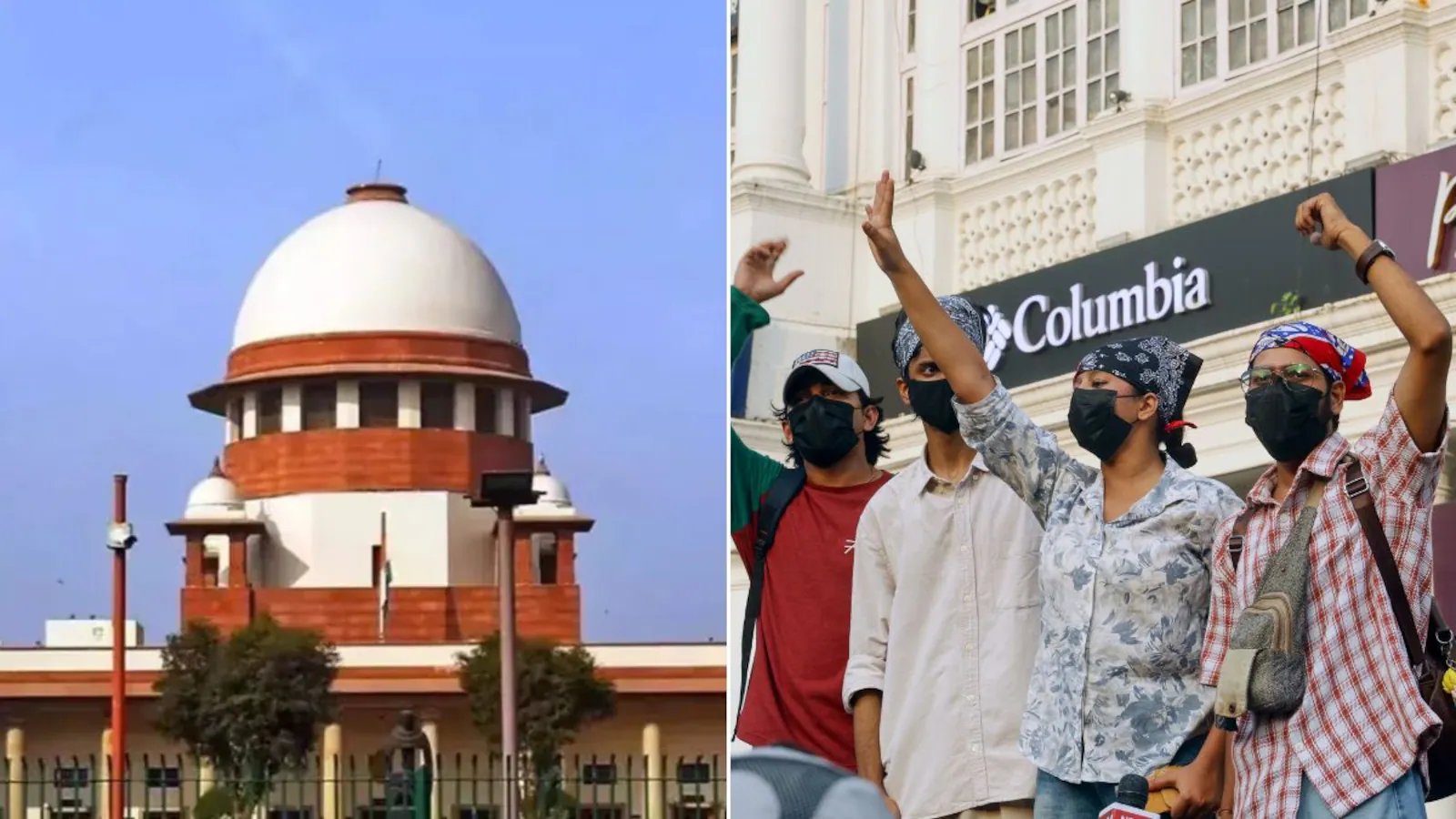
New Delhi: The Supreme Court on Friday declined to pass an immediate directive regarding a plea filed by Delhi-based traders’ associations, who are seeking intervention against the disruptions caused by the ongoing Cockroach Janta Party (CJP) protests. The associations have expressed grave concerns over the closure of Central Park and the resulting impact on commerce during the peak festive and wedding season.
Chief Justice of India (CJI) Surya Kant, presiding over the bench, stated that while the court is prepared to exercise its authority to prevent any unlawful obstruction of business, it would not issue an emergency order at this time. The court has scheduled the matter for further hearing in the last week of October.
Impact on Business and Livelihoods
The petition was submitted jointly by the Delhi Kirana Committee and the Delhi Iron and Hardware Merchant Association. Representing the traders, the petitioners argued that the protest movement has severely hindered operations in the Connaught Place area. They estimated that since October 10, the local economy has sustained losses reaching a staggering Rs 2,000 crore, with a single day of demonstrations costing merchants between Rs 150 crore and Rs 200 crore.
Acknowledging the gravity of the situation, the CJI noted the potential for significant economic hardship for local families. “We hope better sense will prevail on everyone. We are aware that small shopkeepers earn their livelihood during these specific months, and we understand the difficulties entire families are facing,” Justice Surya Kant remarked during the proceedings. Justice Joymalya Bagchi also weighed in on the complexity of the situation, observing that the right to peaceful demonstration and the necessity of maintaining market access are competing interests that must be carefully balanced.
Traders Seek Systemic Changes
In their plea, the traders’ associations have urged the court to establish a framework that protects commercial interests from the fallout of political demonstrations. Their primary demands include:
- Uninterrupted Market Access: A mandate ensuring that protests, sit-ins, and road blockades do not impede the movement of goods or customers in key retail hubs between October 2026 and January 2027.
- Designated Protest Zones: The identification and notification of specific areas for public demonstrations that are located away from central business districts.
- Standard Operating Procedure (SOP): The creation of a formal SOP for managing urban protests in the capital, specifically designed to reconcile the right to protest with the fundamental right to carry on trade and ensure public order.
Divergent Views on Responsibility
The agitation has intensified over the past week, leading to the deployment of approximately 6,000 police personnel and the public closure of Central Park.
In response to the accusations of economic sabotage, CJP founder Abhijeet Dipke shifted the blame onto the administration. In a statement posted on social media, Dipke claimed that local businesses are not suffering because of peaceful protestors, but rather due to the government’s reaction. He argued that the decision to seal off parts of the city, suspend internet connectivity, and impose heavy restrictions on movement effectively turns Delhi into a “war-zone,” thereby stifling economic activity.
Disclaimer: This content is auto-generated for informational purposes only.
Source: Read Original News