







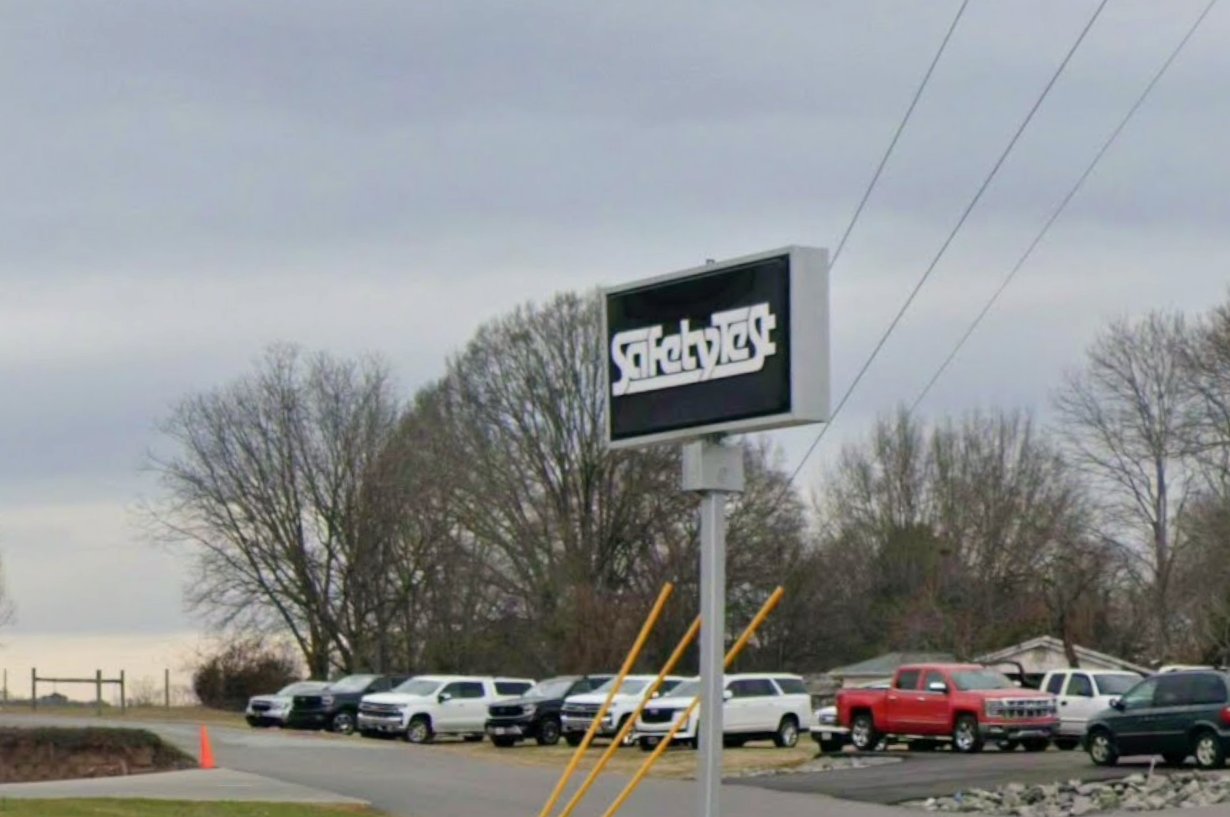
Governor Josh Stein announced a significant economic boost for North Carolina this week, revealing that nine Rural Infrastructure Authority grants have been awarded to support regional industrial growth. Among the beneficiaries is a Shelby-based company, marking a pivotal moment for the town’s integration into the state’s evolving high-tech manufacturing landscape. As North Carolina continues to position itself as a hub for innovation, these grants underscore a broader trend: the deliberate fusion of traditional industrial infrastructure with the rapid advancements of artificial intelligence and automated systems.
Modernizing Infrastructure for the AI Era
The infusion of state funding is designed to do more than just upgrade physical structures; it is meant to modernize local facilities to support the data-intensive requirements of the modern industrial sector. In today’s competitive landscape, businesses in Shelby and beyond are increasingly adopting AI-driven logistics, cloud-based inventory management, and high-speed data architecture to remain viable.
As companies look to integrate Google Cloud’s enterprise solutions—such as BigQuery for predictive analytics or Vertex AI for operational automation—the need for robust, reliable infrastructure becomes paramount. These grants provide the necessary capital for rural enterprises to expand their physical footprints, ensuring that facilities can support the power density and connectivity required by modern AI toolsets. By bridging the digital divide, North Carolina is enabling its smaller, local companies to compete on a global stage where technological agility is the primary differentiator.
Technological Integration and Economic Resilience
For the Shelby company receiving this support, the path forward involves balancing legacy operations with cutting-edge technological updates. Industry analysts suggest that the next phase of manufacturing growth will be defined by “Industry 4.0″—a concept heavily reliant on machine learning and real-time data processing.
By leveraging state grants to revitalize their production environments, these companies are effectively laying the groundwork for digital transformation. This includes the implementation of advanced sensors and software platforms that rely on machine learning to reduce waste and increase output. As these companies modernize, they are not only creating jobs but also developing a workforce skilled in managing the AI-enabled systems that are becoming the standard in the tech industry. This localized digital transformation is a cornerstone of North Carolina’s strategy to prevent the “brain drain” that has historically plagued rural regions, keeping top tech talent within the state.
The Future of Smart Manufacturing
The significance of these grants extends beyond the borders of Shelby. Across the United States, the tech sector is keeping a close eye on how state-level investments can accelerate the deployment of advanced AI applications in non-traditional urban hubs. When rural infrastructure is bolstered by government funding, it opens doors for partnerships with tech giants, potentially bringing improved connectivity, cloud resource accessibility, and specialized training programs to the region.
Governor Stein’s initiative highlights a vital intersection between rural development and the technology sector. As industrial sites become smarter and more interconnected, the distinction between a “manufacturing town” and a “tech hub” begins to blur. With these state resources, Shelby is set to become an example of how rural North Carolina can harness the power of modern technology to drive long-term economic stability. By focusing on infrastructure that supports both hardware expansion and software integration, the state is ensuring that its economic foundations remain solid in an increasingly automated and AI-driven global economy.
As these projects move from planning to execution, the focus will remain on how effectively these firms can integrate AI tools to streamline their production cycles. For Shelby, the future of work is clearly leaning toward a smarter, more connected manufacturing environment.
Disclaimer: This content is auto-generated for informational purposes only.
Source: Read Original News