




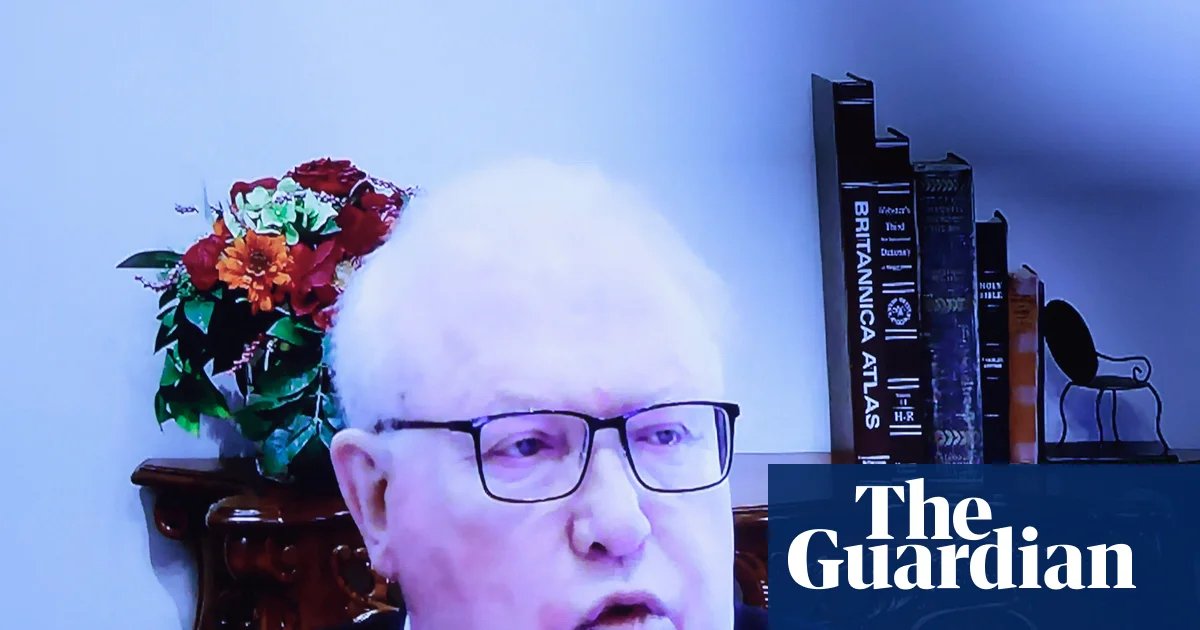
Bruce Hales, the most senior leader of the Exclusive Brethren, has categorically denied any knowledge of or involvement in the mass mobilization of church members during the 2025 federal election. His testimony, delivered during a volatile parliamentary committee hearing on Friday, comes amid intensifying allegations that the Plymouth Brethren Christian Church orchestrated a widespread campaign for the Coalition and funded far-right figures to stage political stunts.
Addressing the inquiry, Hales sought to distance the church entirely from the electoral activities of its congregants. “I want to be clear and unequivocal,” Hales stated. “I had no involvement whatsoever in relation to any members who volunteered or took part in any aspect of the 2025 federal election. I did not plan such activities. I did not coordinate such activities. I did not direct such activities. I did not fund such activities.”
The hearing was marked by heated exchanges that saw committee members trade accusations of “religious persecution” and “running a protection racket.” The tension reached a boiling point when Labor and crossbench MPs grilled Hales and his son, Gareth Hales, over claims that the church had paid far-right activists Morgan C. Jonas and Chris de Bruyne to disrupt campaigns targeting Labor politicians.
Gareth Hales admitted to meeting both men in a business capacity but denied allegations that his company, Sante Global, had funded political stunts. When questioned about his own role in the election, Gareth Hales insisted that any members involved were acting as private citizens rather than representatives of the church. “I can understand it’s difficult to believe, but they weren’t members of the church—they were members of concerned business groups,” he maintained.
The testimony faced immediate skepticism, particularly from independent MP Andrew Gee. Gee, who alleged he was trailed by Brethren members in his regional NSW electorate, challenged the narrative that thousands of volunteers had mobilized spontaneously without hierarchical direction. “I, for one, am not buying what you are selling,” Gee told the younger Hales.
At the heart of the controversy is a sermon delivered by Bruce Hales just weeks before the election, in which he urged followers to pray for “good government” and noted that the country needed to be “smiling again.” These phrases subsequently appeared on Liberal Party campaign materials. Hales denied that his sermon was a coordinated call to action, claiming he was unaware his words had been repurposed for political advertising.
While the church’s leadership maintains its innocence, the hearing descended into partisan bickering. Coalition members, including Senator Bridget McKenzie and Liberal MP Ben Small, vehemently defended the church, repeatedly interrupting questioning and accusing their colleagues of engaging in a “Spanish Inquisition” against a religious organization. The fiery session highlights a deepening divide over the role of religious influence in Australian federal politics.
Disclaimer: This content is auto-generated for informational purposes only.
Source: Read Original News