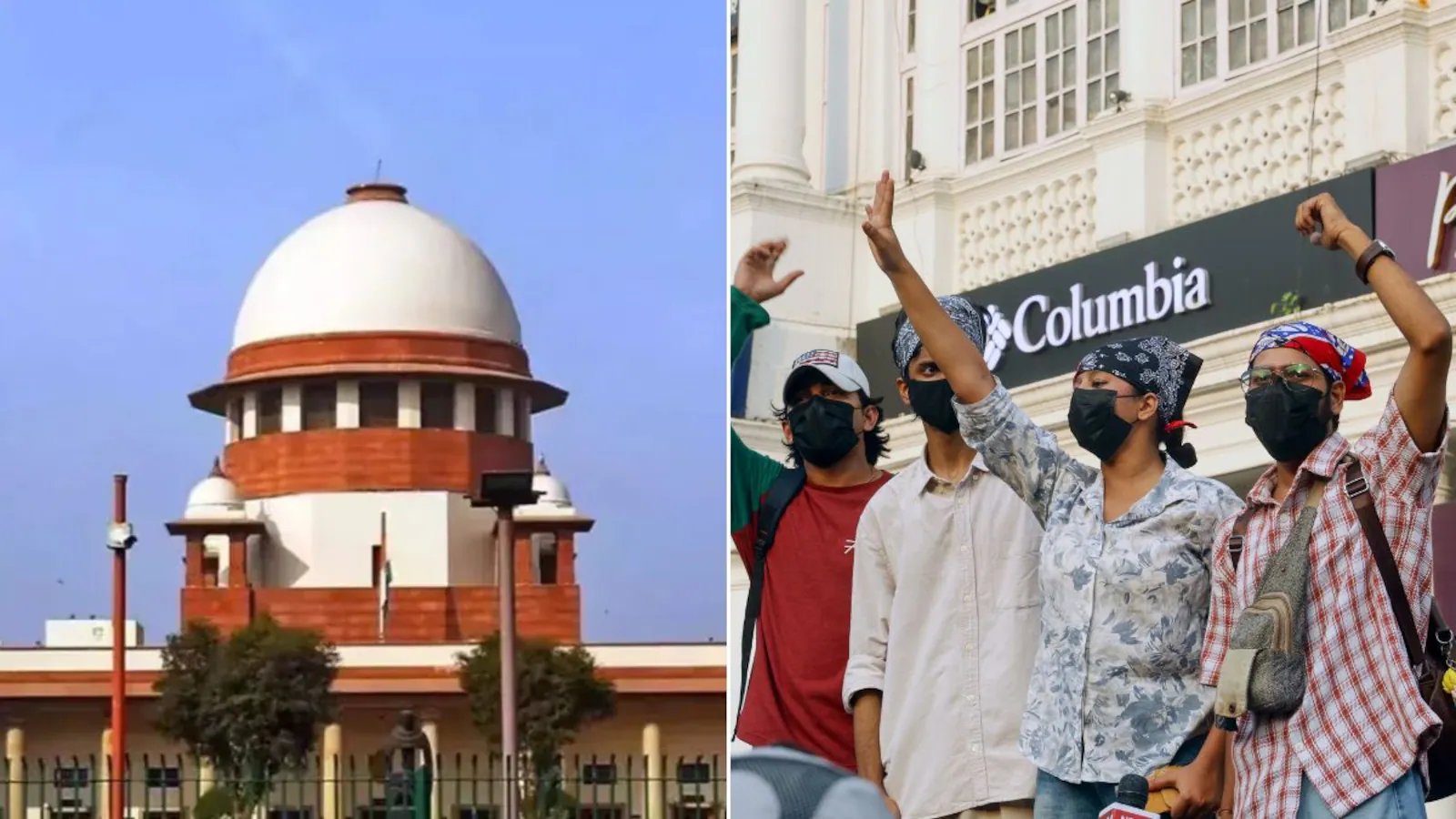








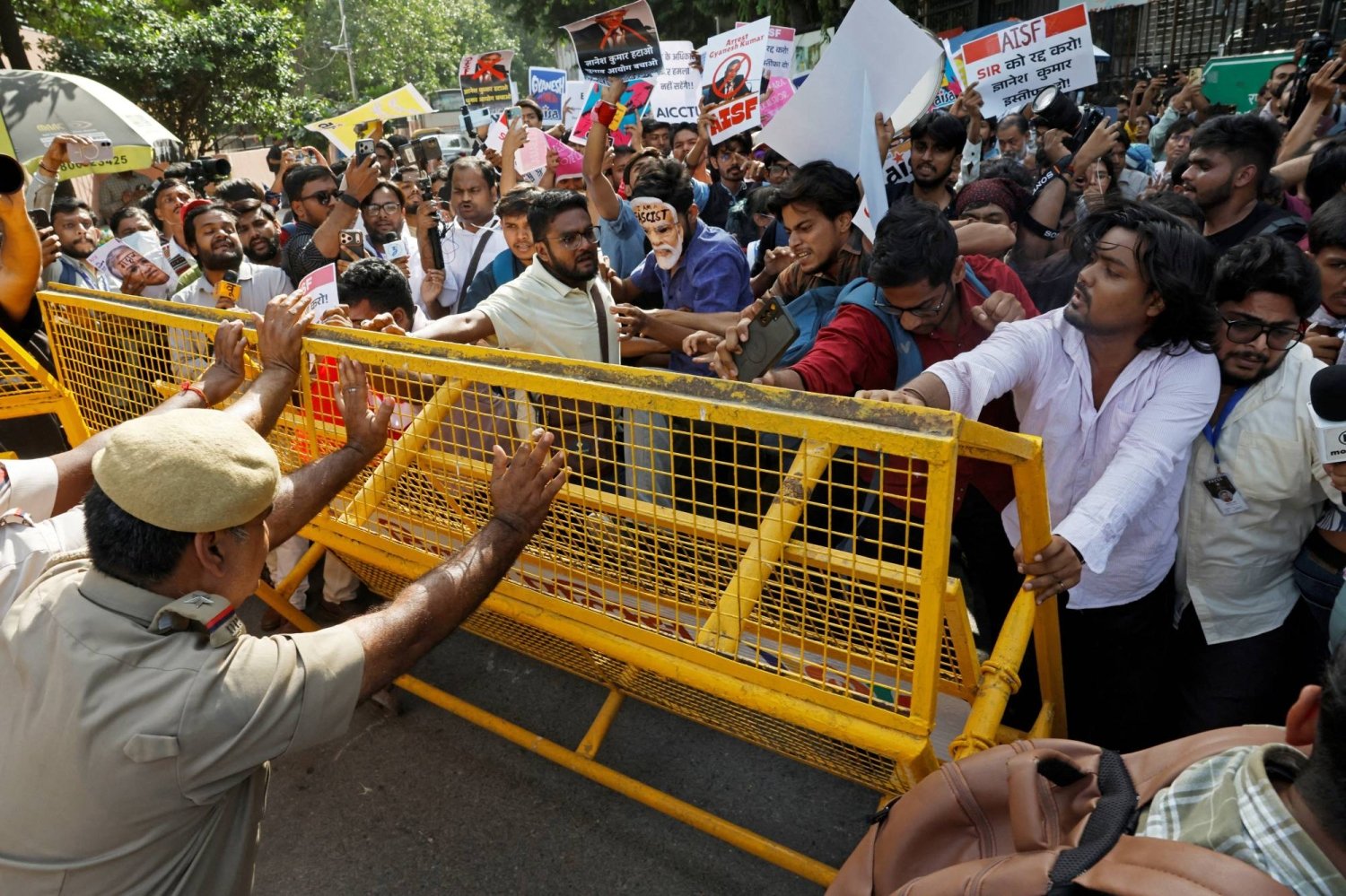
NEW DELHI – Across the Indian capital, the sound of rhythmic chanting and the sight of heavy steel barricades have become defining features of the current political landscape. Last week, tens of thousands of security personnel were mobilized to contain a surging tide of youth-led demonstrations, but for many protesters, the imposing police presence served only as a catalyst for further defiance. As officers attempted to clear the streets, young activists scaled temporary fencing and engaged in chaotic scuffles, their voices ringing out with slogans like “Long live the revolution” before being detained and bundled into waiting police buses.
A Generation Finds Its Voice
The current wave of civil unrest represents a significant shift in India’s democratic discourse. Observers note that this is not merely a collection of isolated incidents, but a broader, systemic trend driven by a generation that feels increasingly disconnected from the current administration. Gen Z activists, armed with social media connectivity and a growing sense of urgency regarding economic stability and social rights, have moved the frontline of political debate from traditional parliamentary halls to the street corners of major metropolitan hubs.
Independent analysis by the Armed Conflict Location and Event Data (ACLED) Project suggests that India is on track to witness a volume of street protests this year that will likely surpass any other period in the last decade. This surge in public dissent is being interpreted by political analysts as a direct reaction to the policies of Prime Minister Narendra Modi’s government. From concerns over unemployment and the rising cost of living to debates surrounding democratic norms, the issues fueling these protests are as varied as the youth demographic itself.
Mounting Dissent and Institutional Tension
The uptick in demonstrations highlights a growing friction between the state’s security apparatus and the right to peaceful assembly. While the government has consistently maintained that its legislative agenda is focused on long-term national development, critics argue that the shrinking space for public disagreement is emboldening, rather than silencing, the youth.
“The intensity we are seeing is not just about a single policy,” noted one activist, who requested anonymity due to the risk of arrest. “It is a reflection of a generation that feels it is running out of options to be heard.”
The state’s reliance on massive police deployments—often characterized by heavy-handed tactics such as lathi charges and mass detentions—has drawn concern from human rights organizations. Yet, these measures appear to have limited impact on the resolve of the protesters. Instead, the footage of young activists being led away by authorities frequently goes viral, sparking solidarity rallies and digital activism that keeps the cause trending across the subcontinent.
The Future of Public Discourse
As the calendar moves toward the coming months, the question for the Indian government is how to manage this growing restlessness. With the demographic dividend of India’s young population becoming more politically engaged, the traditional methods of administrative containment may prove insufficient.
For the time being, the standoff continues. As the sun sets over New Delhi, the barricades remain in place, and the youth activists remain steadfast, signaling that the streets of India will likely remain a theater of intense political contestation for the foreseeable future. The revolution they speak of may be metaphorical, but the passion behind it is undeniably real.
Disclaimer: This content is auto-generated for informational purposes only.
Source: Read Original News