







RBI Signals Calibrated Tightening as Rupee Stability Becomes Policy Priority
The Reserve Bank of India (RBI) is signaling a shift toward more stringent monetary conditions as it seeks to manage capital outflows and deter aggressive speculation against the domestic currency. While the central bank is taking a firm stance, insiders and market analysts indicate that it will stop short of the drastic measures witnessed during previous currency crises.
A New Stance on Currency Defense
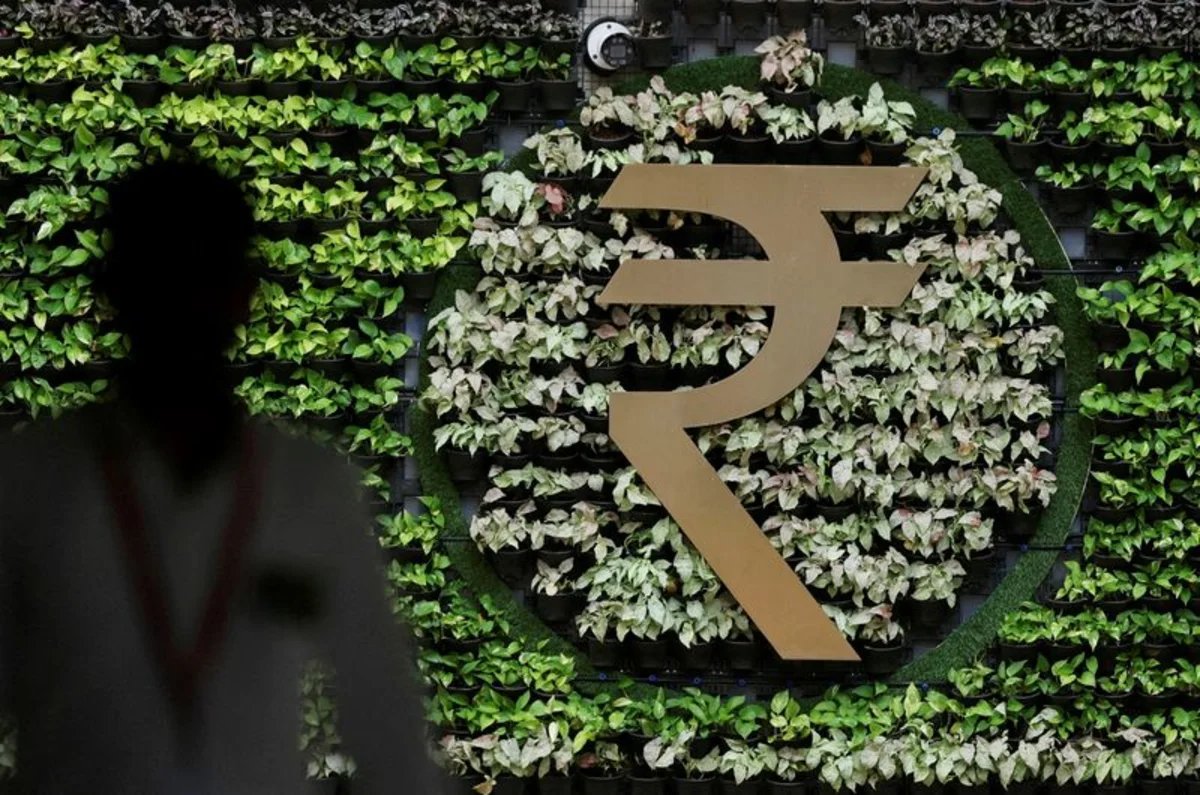
Following a policy rate hike earlier this month—the first in four years—the central bank has been actively draining liquidity through bond sales and adjusted reserve requirements. These measures were triggered by a combination of persistent inflation and the rupee’s recent struggle, which saw it lose roughly 6% of its value against the dollar this year before staging a modest recovery to 94.71.
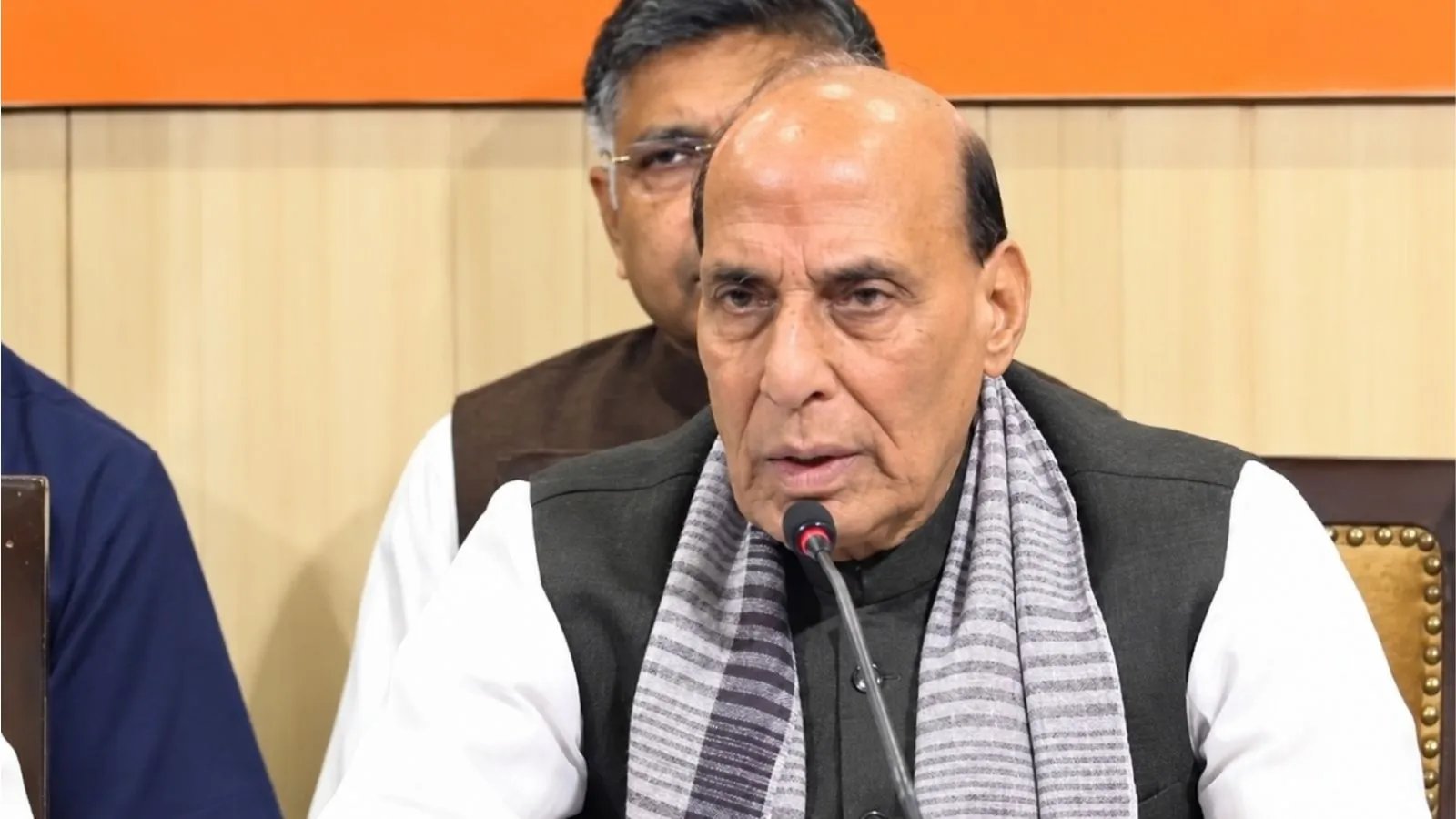
The most significant shift comes from the change in rhetoric at the top. RBI Governor Sanjay Malhotra recently acknowledged that monetary policy can no longer be viewed in total isolation from financial stability. This marks a departure from the bank’s traditional insistence that interest rates remain strictly for inflation management rather than currency defense, prompting traders to prepare for further hikes.
Expectations for December
As the central bank heads into its December policy review, expectations are mounting for an aggressive move. Market participants are increasingly factoring in a 50-basis-point hike, a sentiment bolstered by reports from major institutions like HSBC and the State Bank of India. Sources familiar with the internal deliberations of the six-member rate-setting panel suggest that a 50-basis-point increase remains a central topic of discussion, particularly if inflationary pressures require faster intervention.
Learning from 2013
While the current strategy echoes the defensive measures taken during the 2013 market volatility, the RBI appears to be avoiding a direct repeat of that era’s playbook. In 2013, the bank famously hiked short-term borrowing rates by 200 basis points. However, experts note that such moves were largely ineffective in a liquidity-surplus environment. Instead, the current approach focuses on a broader, calibrated tightening designed to nudge domestic bond yields higher, thereby making the cost of betting against the rupee significantly more expensive.
The Balancing Act: Growth vs. Stability
The RBI’s tightening path presents a complex trade-off for the Indian economy. On one hand, higher yields are expected to stabilize the currency and potentially lure debt-focused foreign investment to offset the recent exodus of equity capital.
However, there is growing concern that rapid rate increases could throttle domestic growth, which is already projected to soften in the second half of the fiscal year. With approximately 60% of loans in India now pegged to external benchmarks, the impact of these hikes will be felt almost immediately by small borrowers and businesses.
Macroeconomic observers warn that while policy credibility is vital, anchoring rates solely to currency fluctuations risks imposing a “double burden” on an economy still grappling with rising energy costs. The consensus remains that while the RBI is determined to curb currency volatility, it must balance these efforts with its core mandate of keeping inflation within the target band, a goal expected to be met by early 2027.
Disclaimer: This content is auto-generated for informational purposes only.
Source: Read Original News