








The Geopolitical Impact on Aviation Connectivity
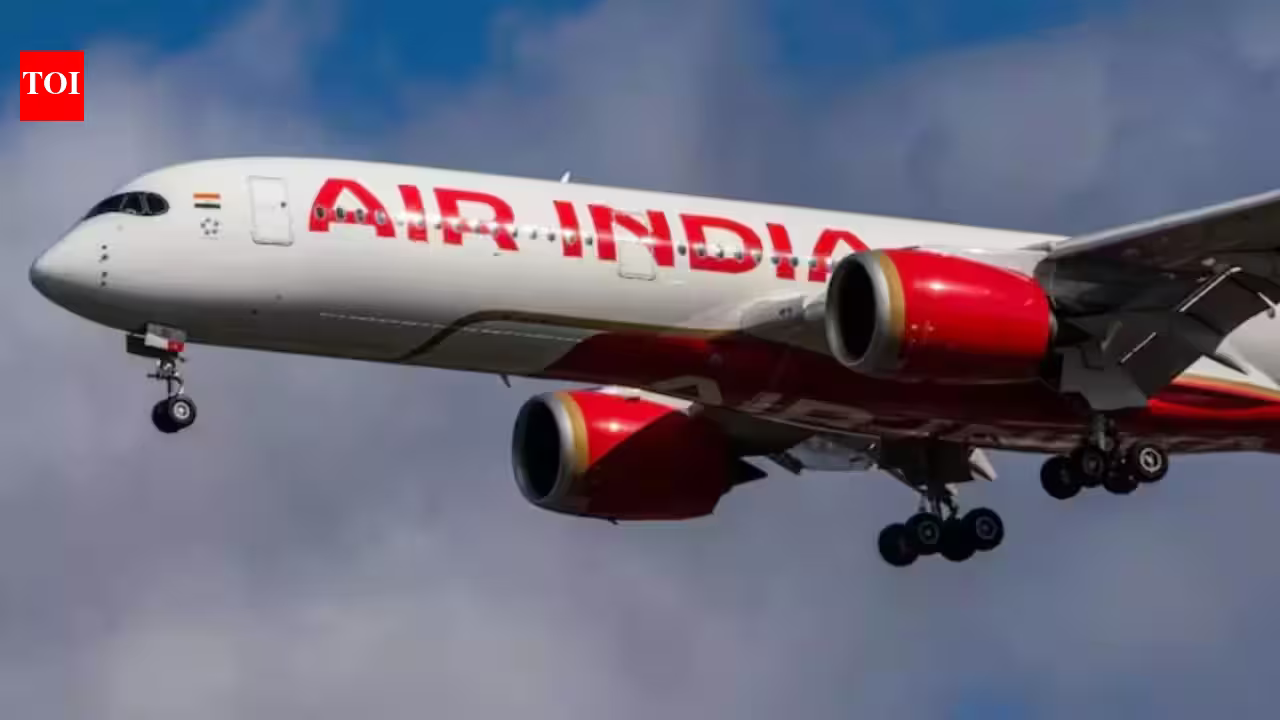
The recent mass cancellation of flights to Saudi Arabia by major global carriers, including India’s flagship carrier Air India, underscores the fragile nature of modern international aviation. The suspension of services to key Saudi cities such as Riyadh, Dammam, and Jeddah serves as a stark reminder of how geopolitical instability can swiftly dismantle established supply chains and passenger movement. For an airline like Air India, these operational disruptions are not merely logistical hurdles but significant financial stressors that complicate an already rigorous restructuring phase.
The aviation industry operates on narrow margins where stability is the primary currency. When conflict triggers airspace closures or security concerns, airlines must pivot instantly to protect their crew and passengers. The decision to halt operations to Saudi Arabia is a calculated risk-mitigation strategy, prioritising safety over revenue continuity. However, for a carrier that heavily relies on Middle Eastern routes for both ethnic traffic—comprising Indian migrant workers and expatriates—and business connectivity, the impact is profound. These routes are high-volume lifelines that support the broader Indian economy, and their prolonged closure creates a cascading effect on travel demand and regional trade.
Strategic Financial Discipline in an Era of Uncertainty
Amidst the backdrop of international conflict, Air India’s internal response highlights a decisive shift toward austerity and operational efficiency. The establishment of a dedicated, cross-functional Cost Savings Team, as directed by CEO Tewolde Gebremariam, signals a recognition that the airline must become more resilient against external shocks. By reviewing spending across every department, the airline is attempting to insulate its balance sheet from factors beyond its control, such as volatile jet fuel prices and the inevitable revenue loss from cancelled flights.
For the Indian aviation sector, this move towards extreme cost management reflects a broader trend among legacy carriers striving for profitability in a post-privatisation landscape. Having been acquired by the Tata Group, Air India is under immense pressure to turn around its historical financial performance, which included a staggering consolidated loss of over Rs 22,000 crore in the previous fiscal year. The current focus on frugality is not just about survival; it is a fundamental requirement for the long-term viability of the Tata-SIA joint venture. The ability to identify waste during periods of low operational activity, such as during the current flight suspensions, provides the airline with a window to refine its cost structures for when the geopolitical climate stabilises.
The Resilience of the Indian Aviation Market
The Indian aviation market is uniquely vulnerable to events in the Middle East, given the high density of air traffic between the two regions. Millions of Indians live and work in the Gulf, making these routes essential for both economic remittances and family connectivity. When airlines like Air India, IndiGo, and Akasa Air suspend operations, the ripple effect extends to the Indian economy at large. Small and medium-sized travel enterprises, recruitment agencies, and auxiliary support services face immediate disruptions when air travel corridors are blocked.
However, the current situation also highlights the adaptability of Indian carriers. By providing clear channels for refunds and maintaining transparent communication with passengers, airlines are attempting to preserve brand loyalty during a period of crisis. The logistical effort required to rebook passengers or process millions in refunds is immense, yet it is a necessary investment in maintaining customer trust. Despite the financial strain caused by these closures, the Indian aviation sector continues to demonstrate remarkable agility in managing passenger expectations while navigating a rapidly changing security environment.
Navigating Long-Term Operational Disruptions
The global aviation landscape is entering a phase where flight planning must account for sustained geopolitical instability. The extension of suspension periods by major international airlines, including carriers like Delta and Cathay Pacific, into 2027, illustrates that these disruptions are not expected to be short-lived. For a carrier like Air India, this necessitates a move away from reactive scheduling to a more robust long-term strategy that includes diversified route planning and contingency operations.
The sustained conflict has fundamentally changed how airlines view risk in the Middle East. Beyond just the immediate loss of revenue, companies must now factor in the cost of fuel surcharges due to longer flight paths that circumvent affected airspace. These costs, combined with the loss of high-yield routes, place upward pressure on ticket pricing, which in turn affects the average Indian traveler. As the airline industry continues to grapple with these challenges, the emphasis will remain on maximizing operational efficiency. The ability of the new leadership at Air India to foster a culture of fiscal responsibility will be the primary determinant of whether the airline can navigate this turbulence without further damaging its financial health.
Regulatory and Consumer Protection Frameworks
The mechanism for processing refunds, as highlighted by the current crisis, brings the regulatory responsibilities of airlines into focus. In the Indian context, the Directorate General of Civil Aviation (DGCA) monitors airline compliance with passenger protection norms. Air India’s proactive approach in detailing the refund process for website, agent, and office bookings is a necessary step to avoid regulatory backlash and public dissatisfaction.
Effective communication is the most critical element during mass cancellations. Passengers facing the uncertainty of cancelled international travel require clear, actionable information regarding their funds. As airlines navigate the complex interplay of international insurance, fuel prices, and safety mandates, they must ensure that the consumer remains central to their operations. The commitment to providing full refunds, regardless of the cause of cancellation, is a standard of the mature aviation market that Air India is clearly aiming to uphold. As the airline works to reduce costs and return to profitability, it must balance these fiscal goals with the delivery of reliable, passenger-centric services, particularly during times of systemic crisis. The coming months will be a test of how effectively India’s primary carrier can maintain this balance while mitigating the impact of an unpredictable geopolitical landscape.
Disclaimer: This content is auto-generated for informational purposes only.
Source: Read Original News